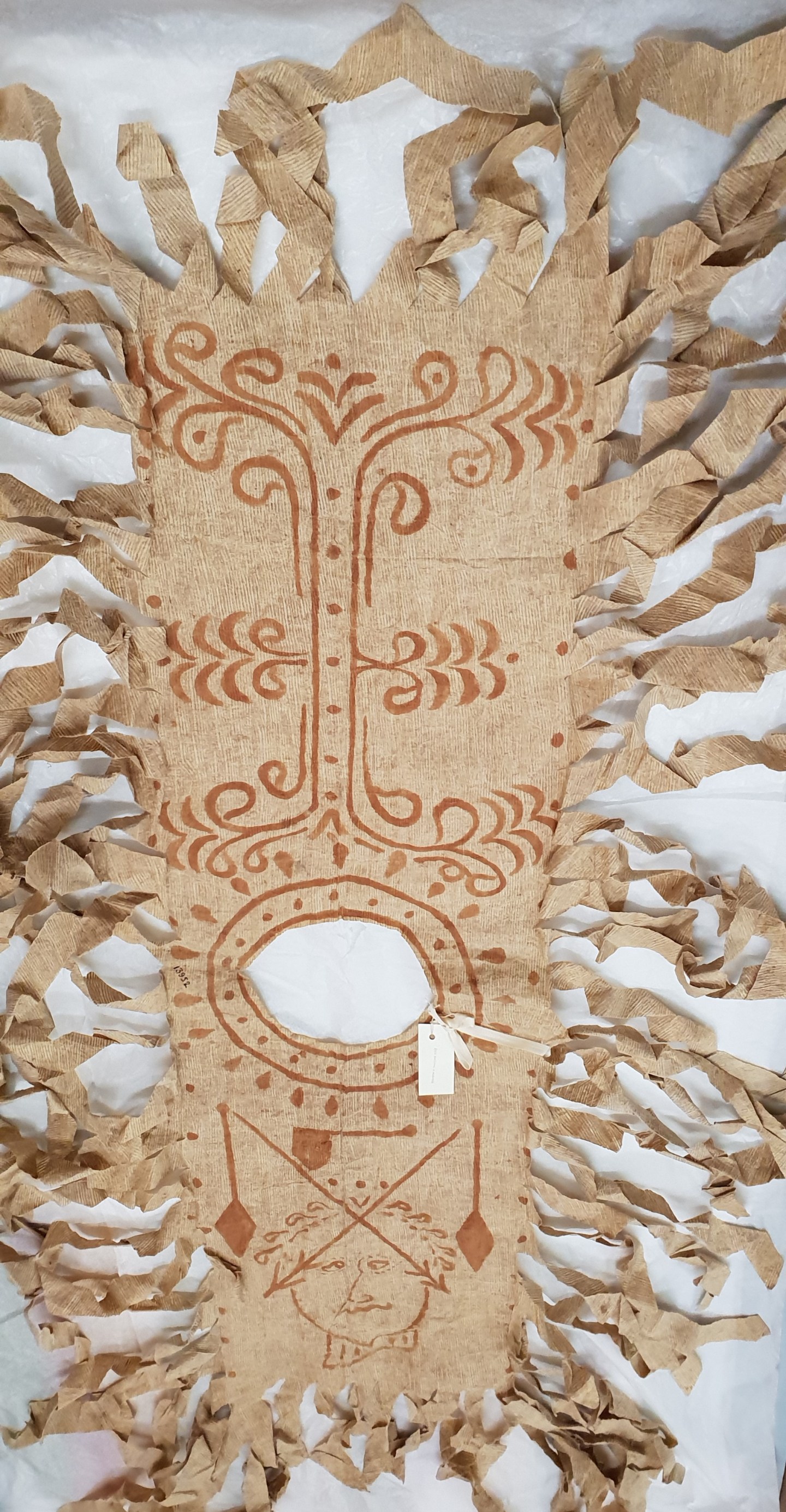
Meetings: As a collective we regularly hold meetings and gatherings where we share and exchange stories, knowledge, experiences, laughter and make plans.
Uipaanga: I roto i teia putuputu`anga e uipaanga putuputu ana matou mate tu`a atu i to matou marama, karape, mataora e te akamou parani.
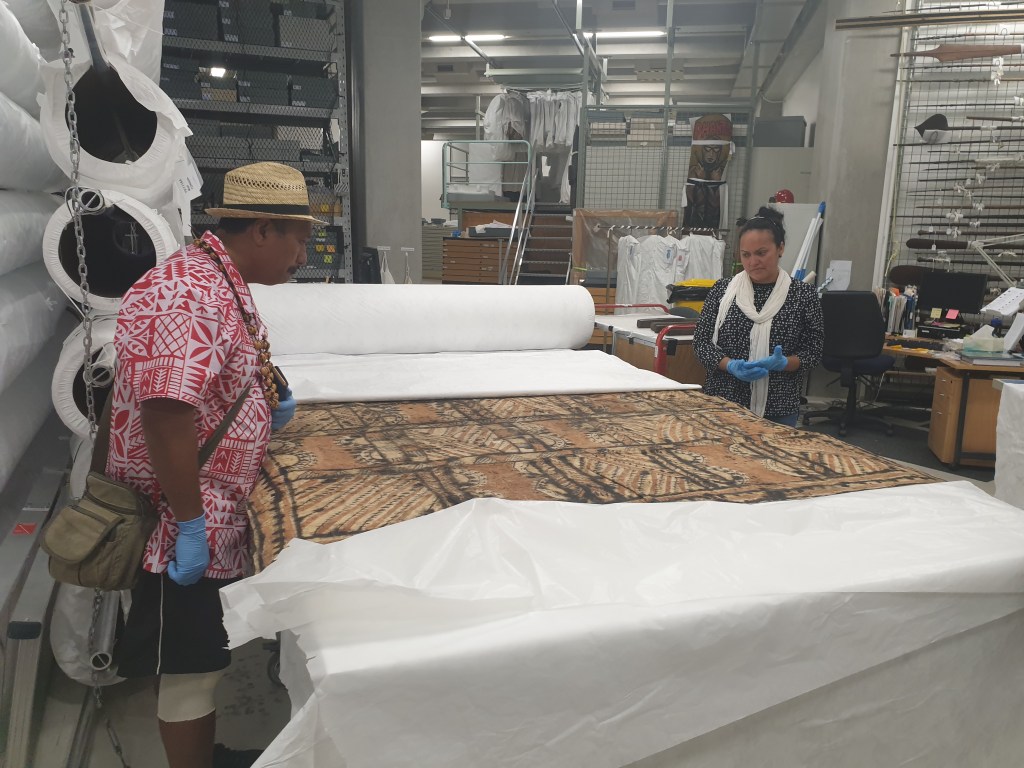
Auckland Museum (May 2019): – We were privileged to visit the Auckland War Memorial Museum to view, inspect and pay our respects to artefacts of barkcloth from Aitutaki and across the Cook Islands.
Tamaki Paenga Hira (May 2019): Ngakau parau matou i te atoro atu anga i te ngutuare Tamaki Paenga Hirano te akatau i nga taonga pakiri rakau no Aitutaki e pera katoa no te Kuki Airani.
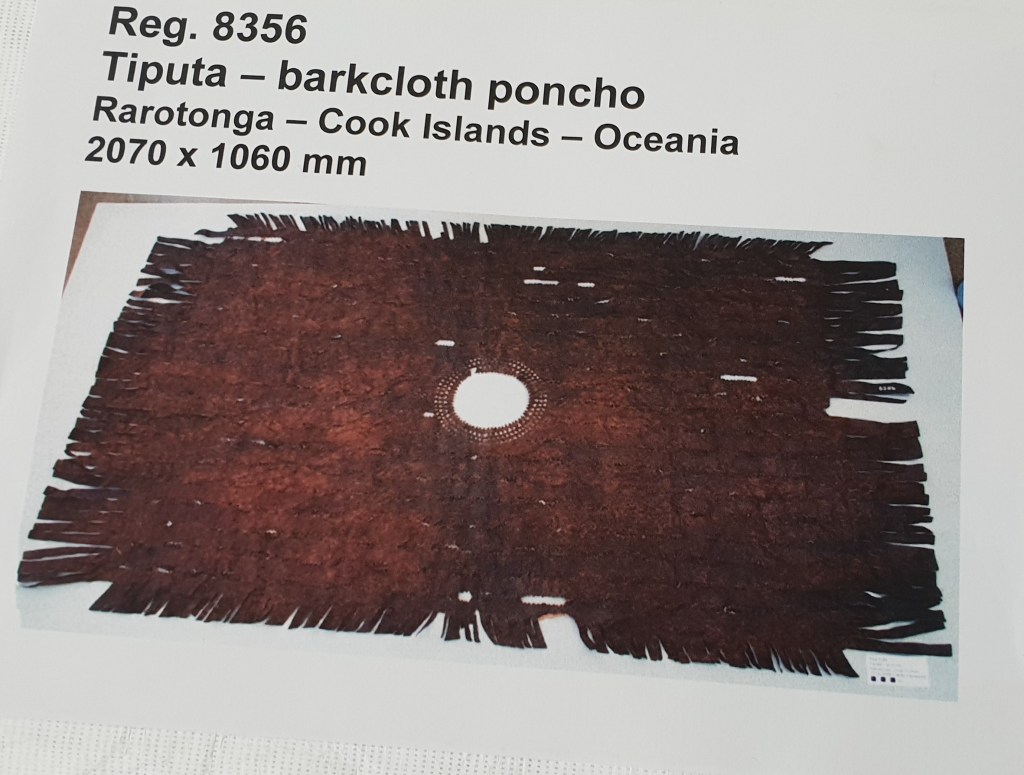
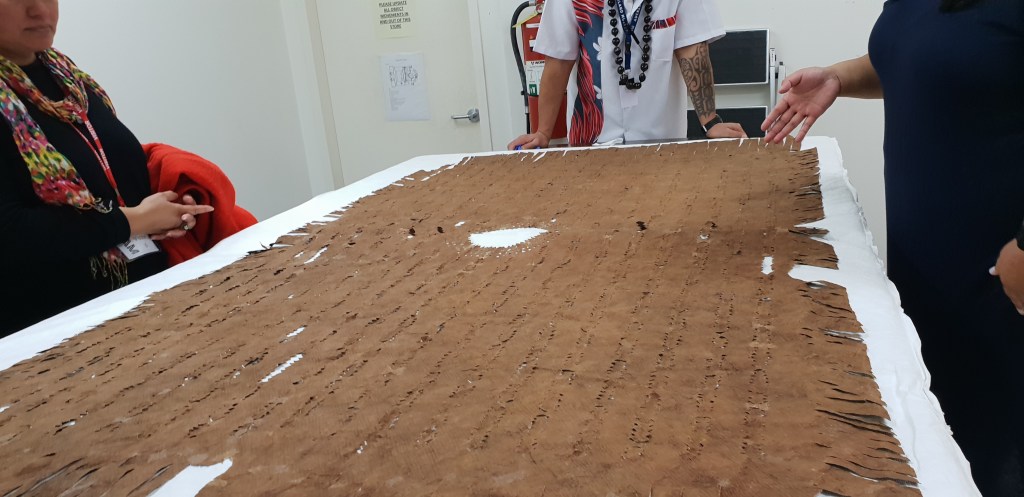
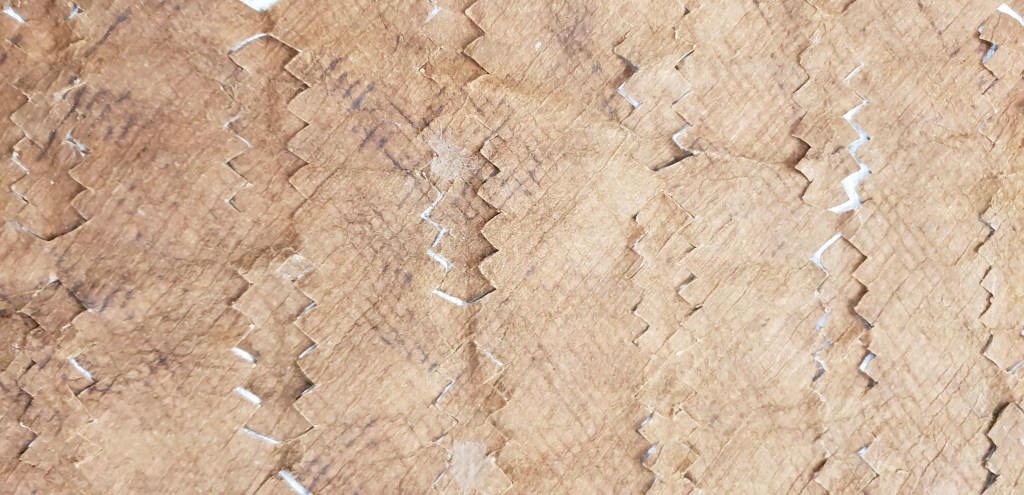
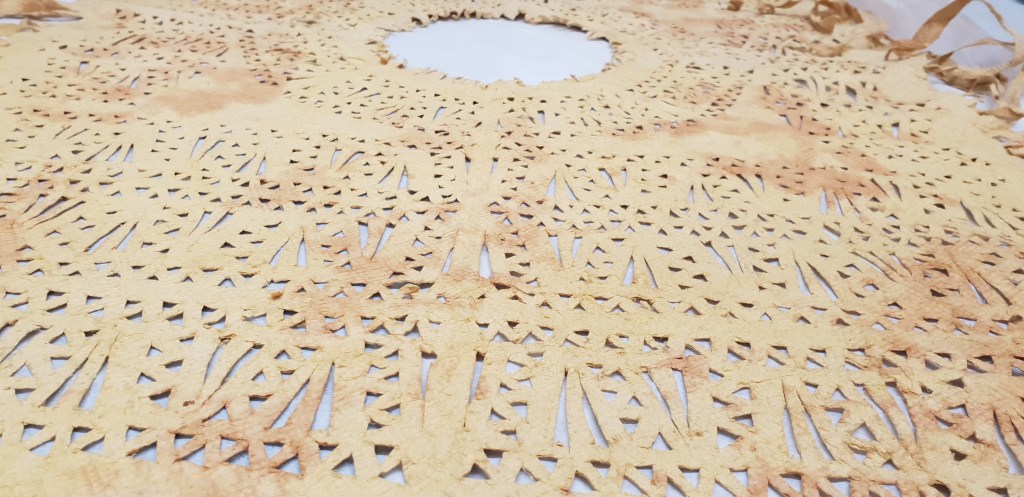
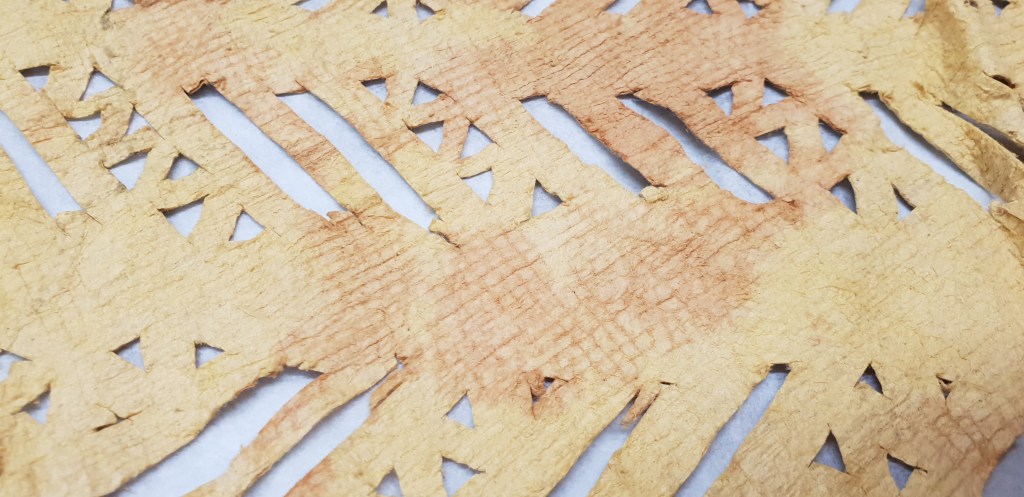

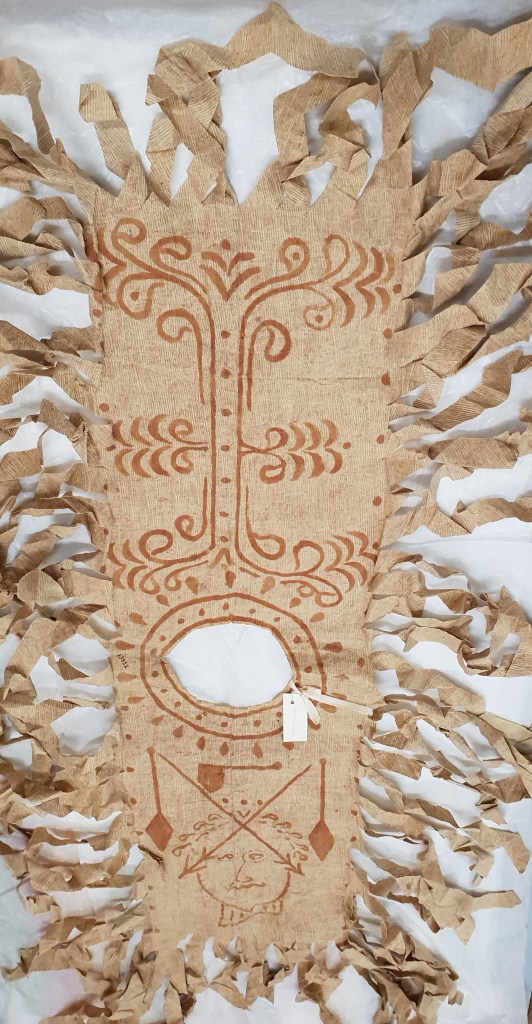
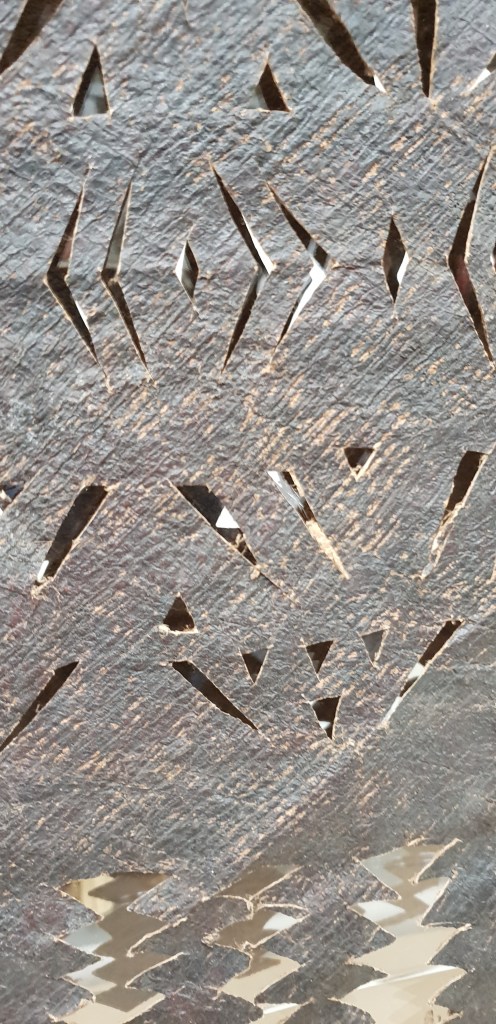
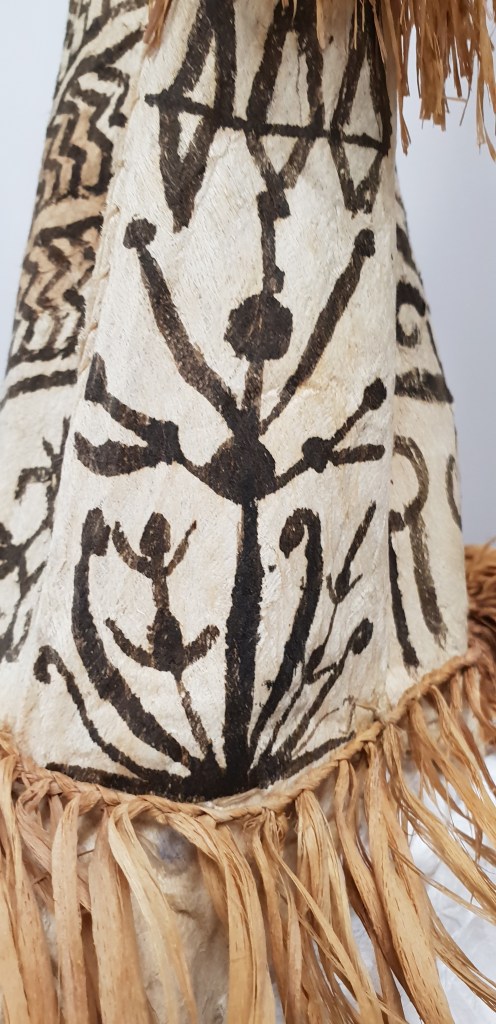
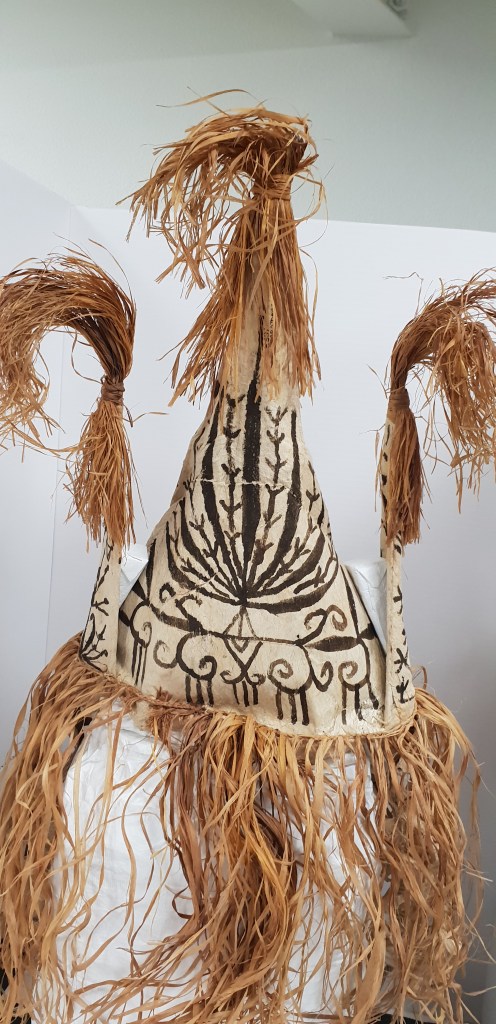
News Paper publication (Nov 2019): Publication of an essay written by collective member Tepaeru-Ariki French (artist & researcher) in the Cook Islands News.
Nuti peapa Kuki Airani (Nov 2019): Tena mai tetai kiriti`anga autara na Tepaeru-Ariki French no roto i te Nuti peapa Kuki Airani.
http://www.cookislandsnews.com/national/culture/item/74783-the-pa-oa-of-aitutaki
Te Papa Museum (Jan 2020): We welcomed 2020 with a trip to the capital Wellington to connect with the spirits of our Aitutakian ike and paoa. We wish to extend our gratitude and appreciation to the Te Papa Museum Pacific collection for their kindness, hospitality and openness in welcoming and accommodating us.
Te Papa Tongarewa (Jan 2020): I te puta mai anga te mataiti 2020 kua tere atu matou ki Poneke no te matakitaki atu i nga ike e te paoa o Aitutaki. Meitaki atupaka ki te are taonga Te Papa Tongarewa i te tu`anga tikai o te taonga Patipika no to ratou ngakau ma`ora`ora i te akono mai anga ia matou.
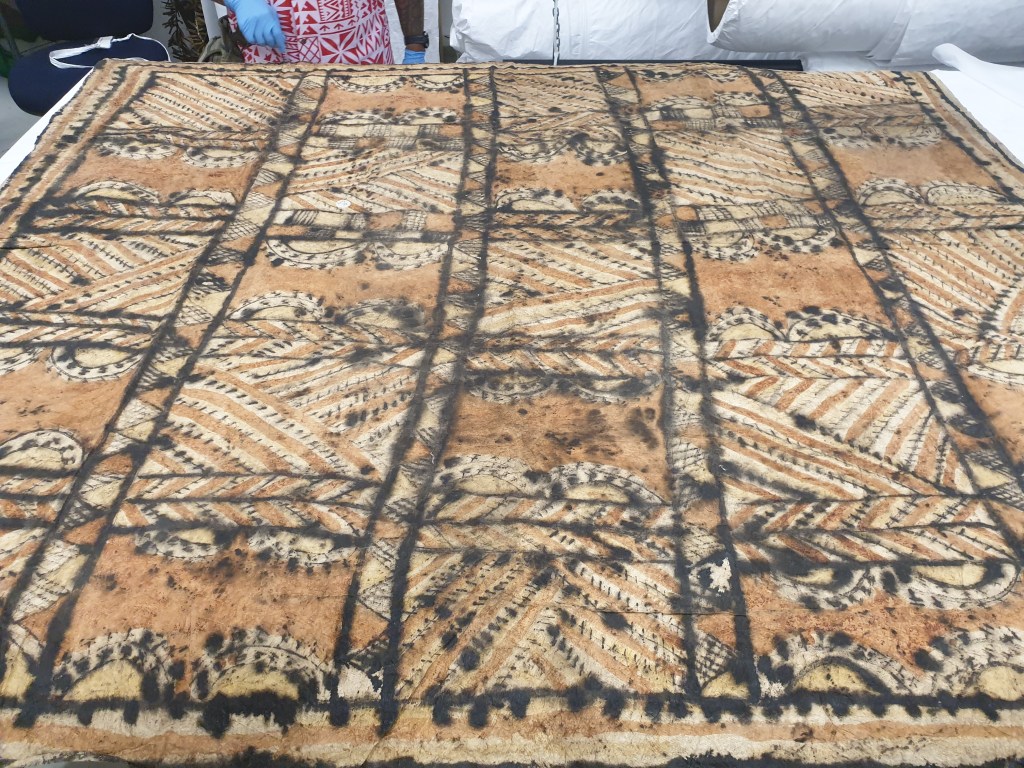
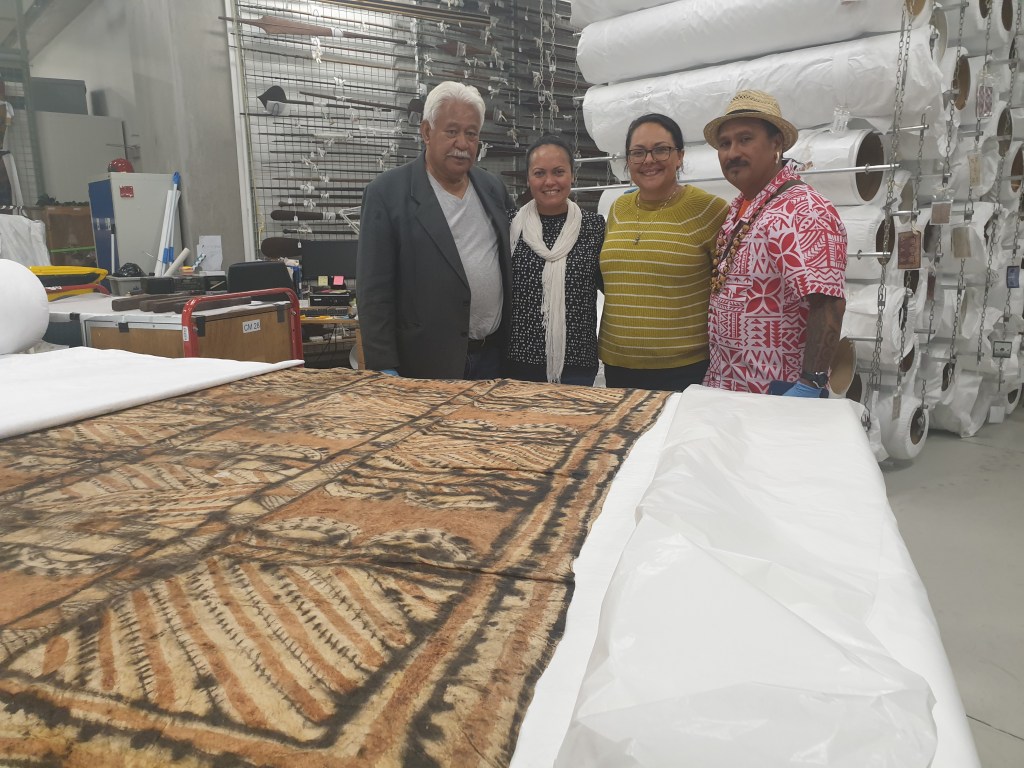
June 2020 Workshop
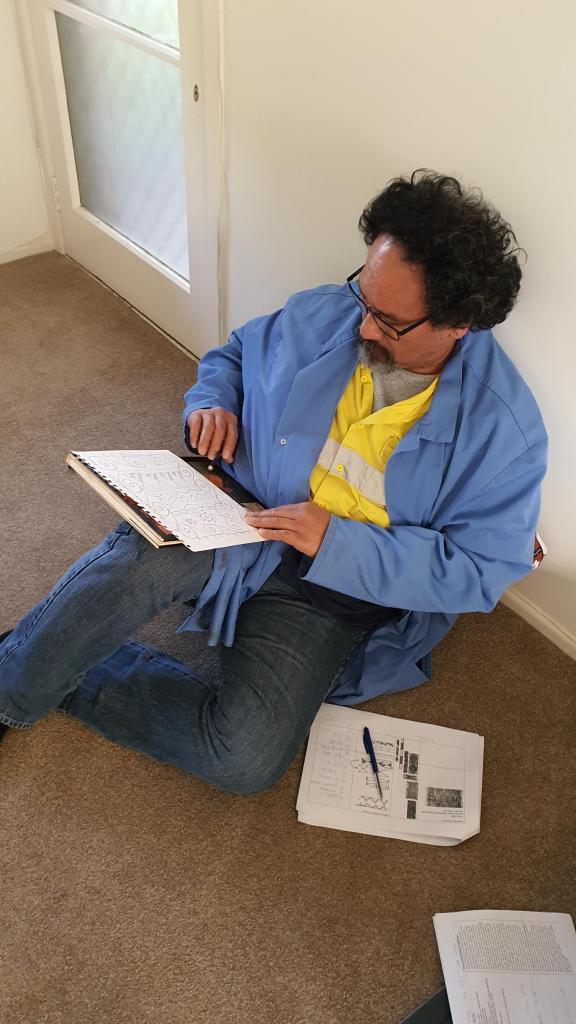
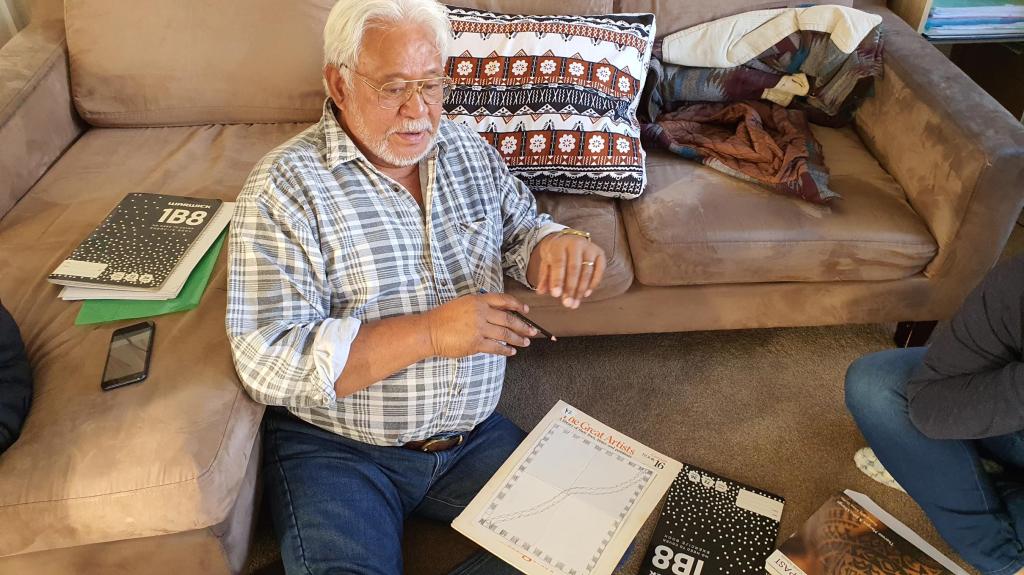
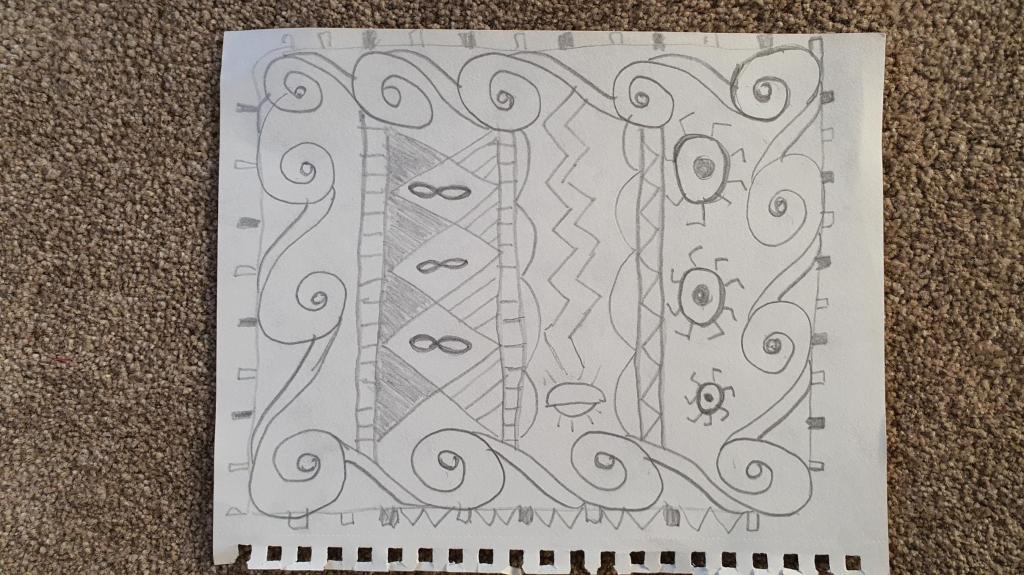
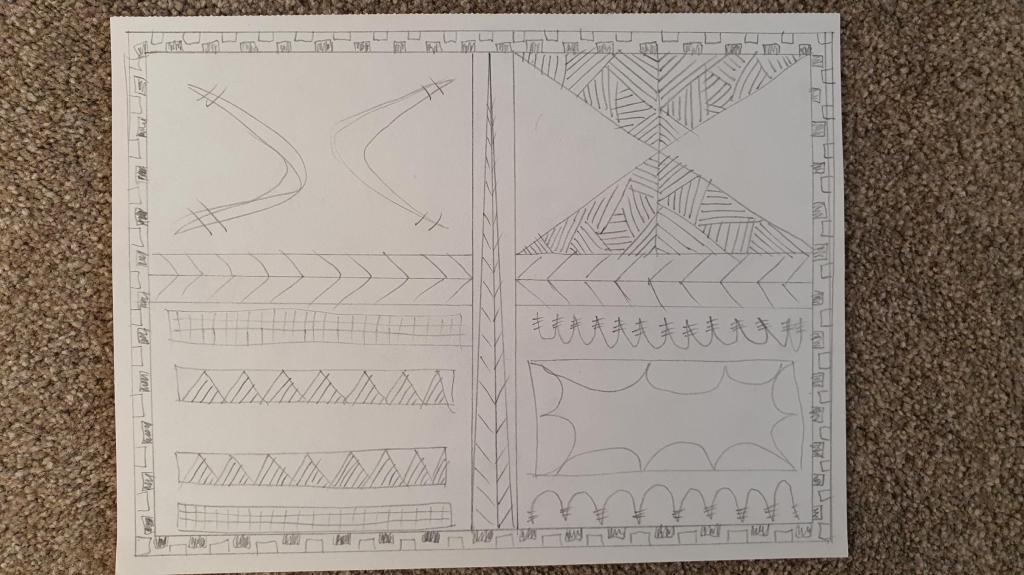
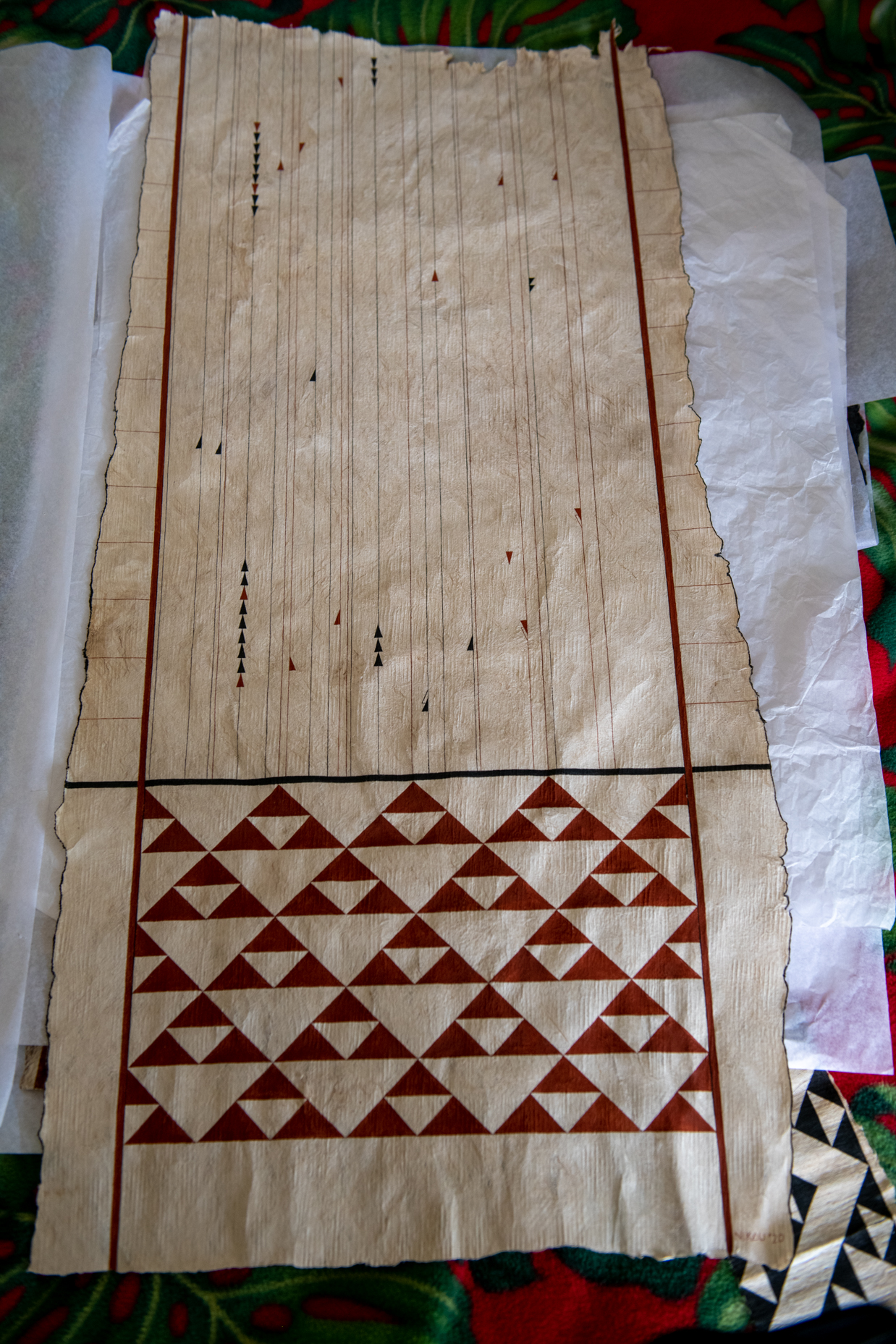
Our last meeting held in June – we looked at the symbols of decorated pā’oa. It is only the begining and with what we have learned we turned our own family geneology in creating (on paper) our very own decorated pā’oa.
I roto i ta matou uipanga i te marama ko Tiunu, kua akatau atu matou i te au pā’oa tei ‘akaki’ia ki te au akairo. Ko te ‘akamata’anga ua teia, e ko ta matou i tamou mai, kua riro tei reira ei tauturu ia matou i te amani atu (ki runga i te peapa) i ta matou pā’oa akairo.
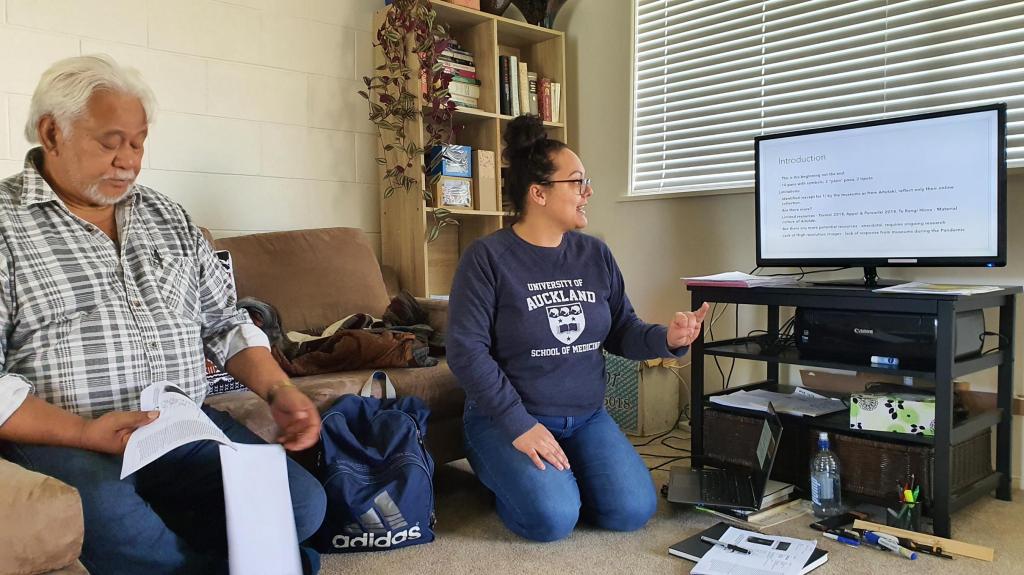
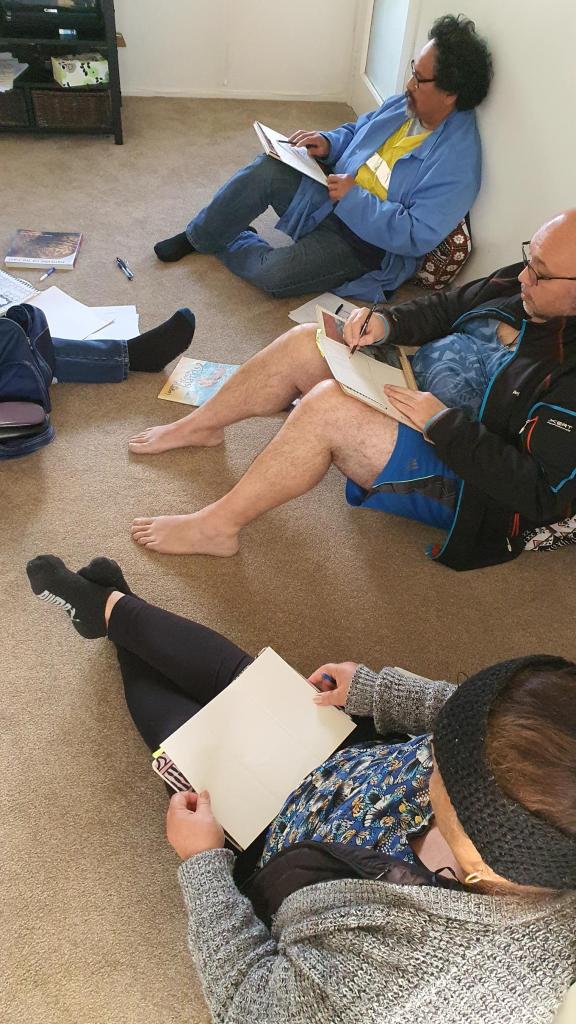
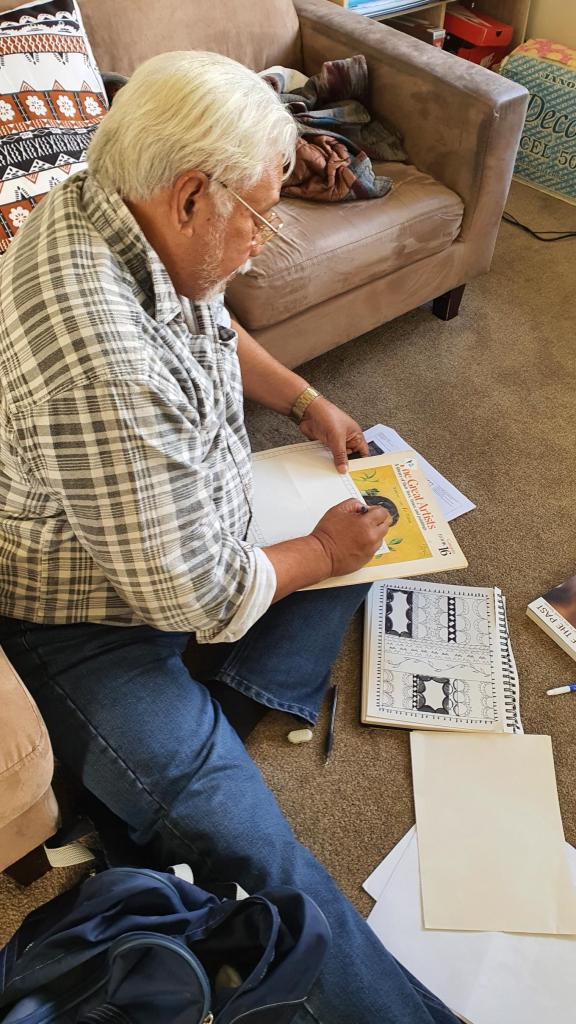
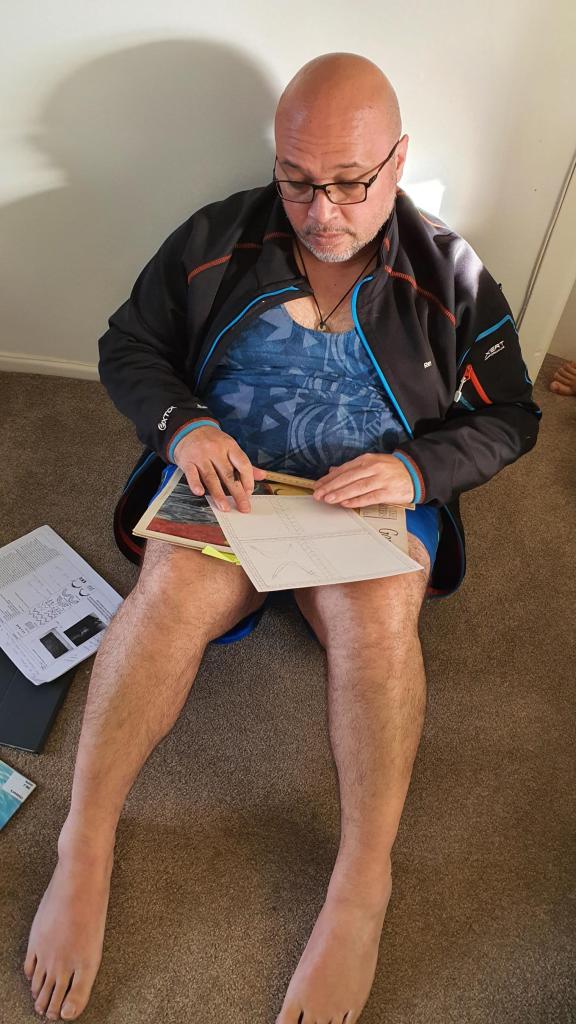


November 2020 Workshop with Artist Nikau Hindin reviving Aute
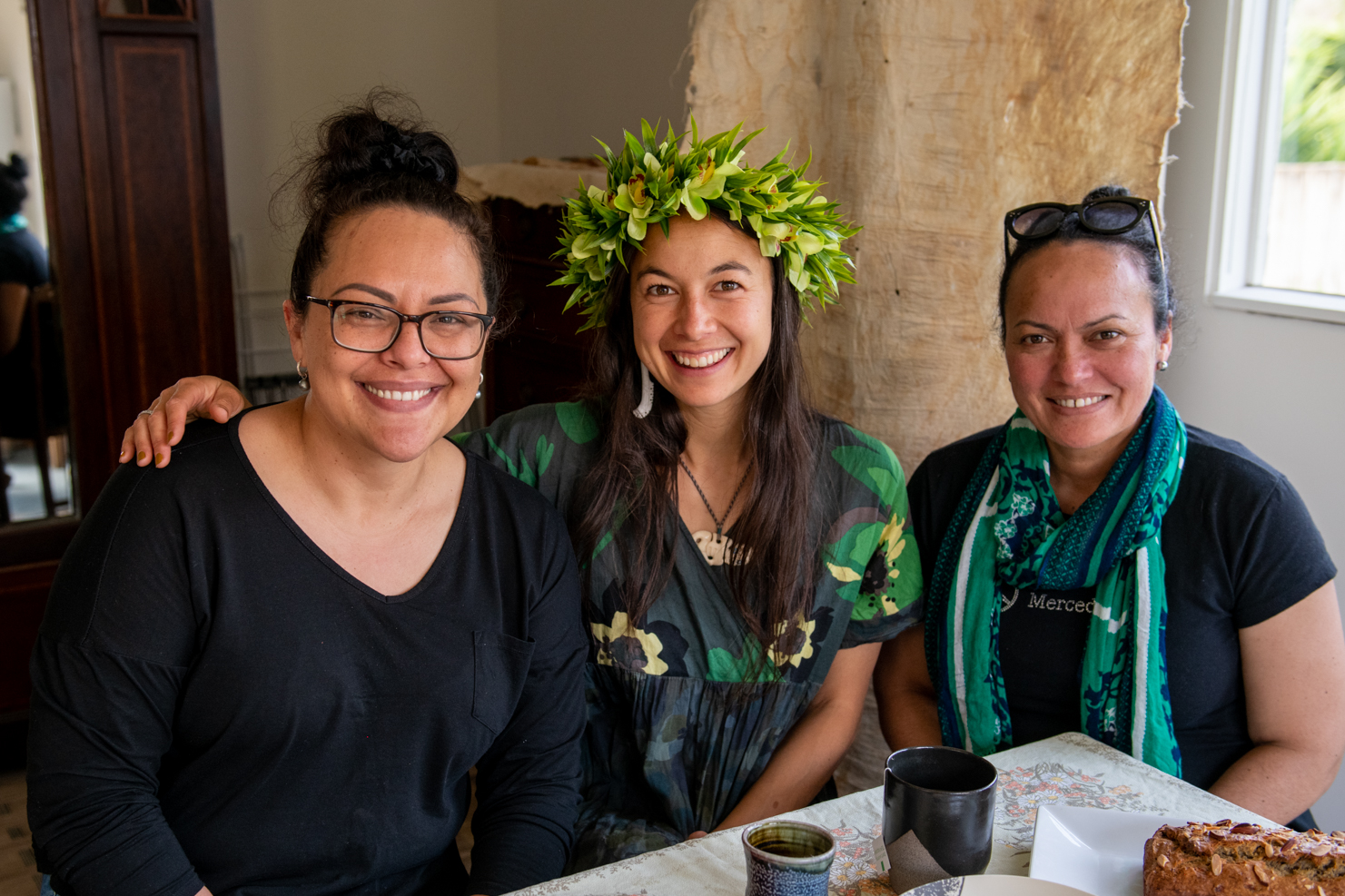
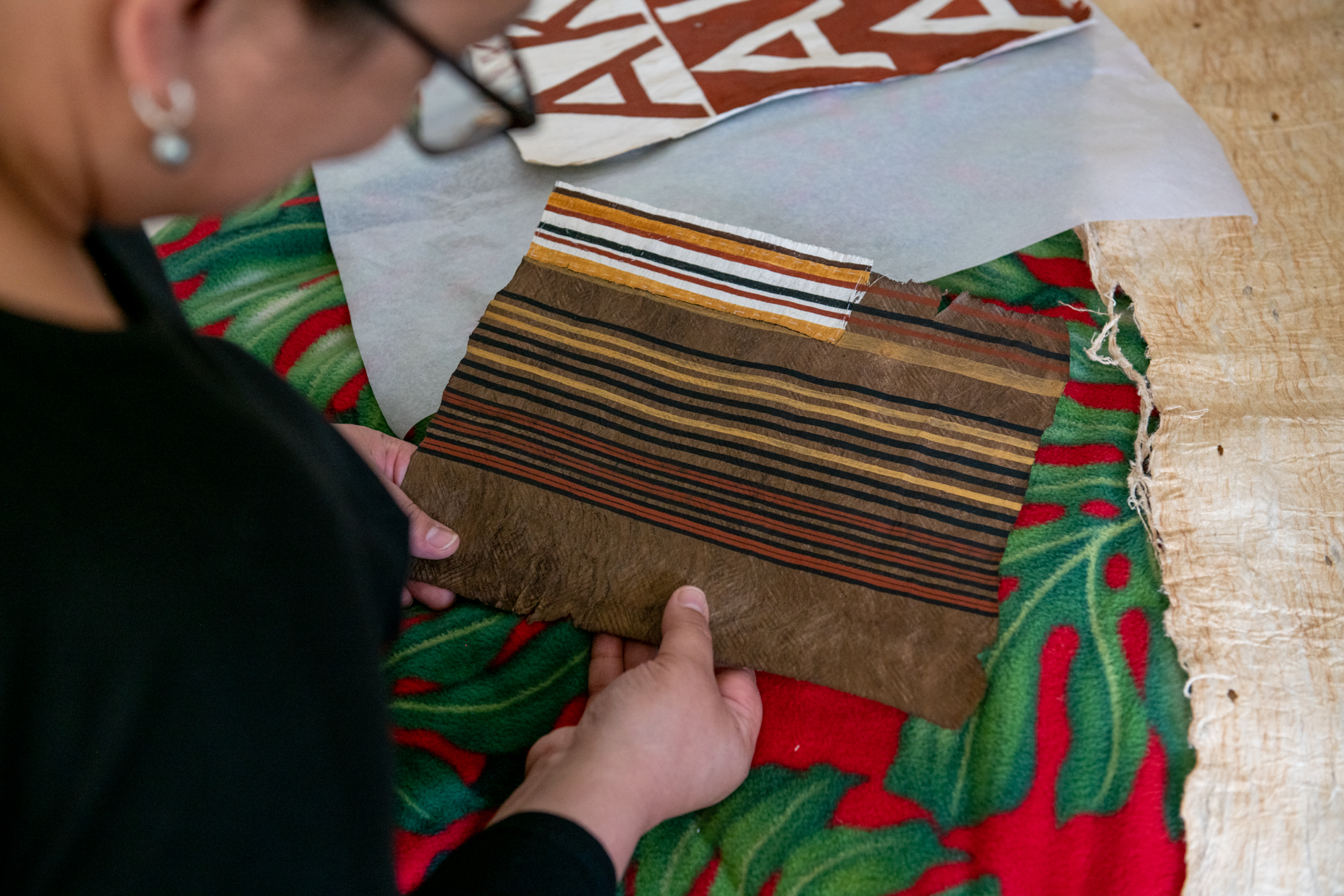
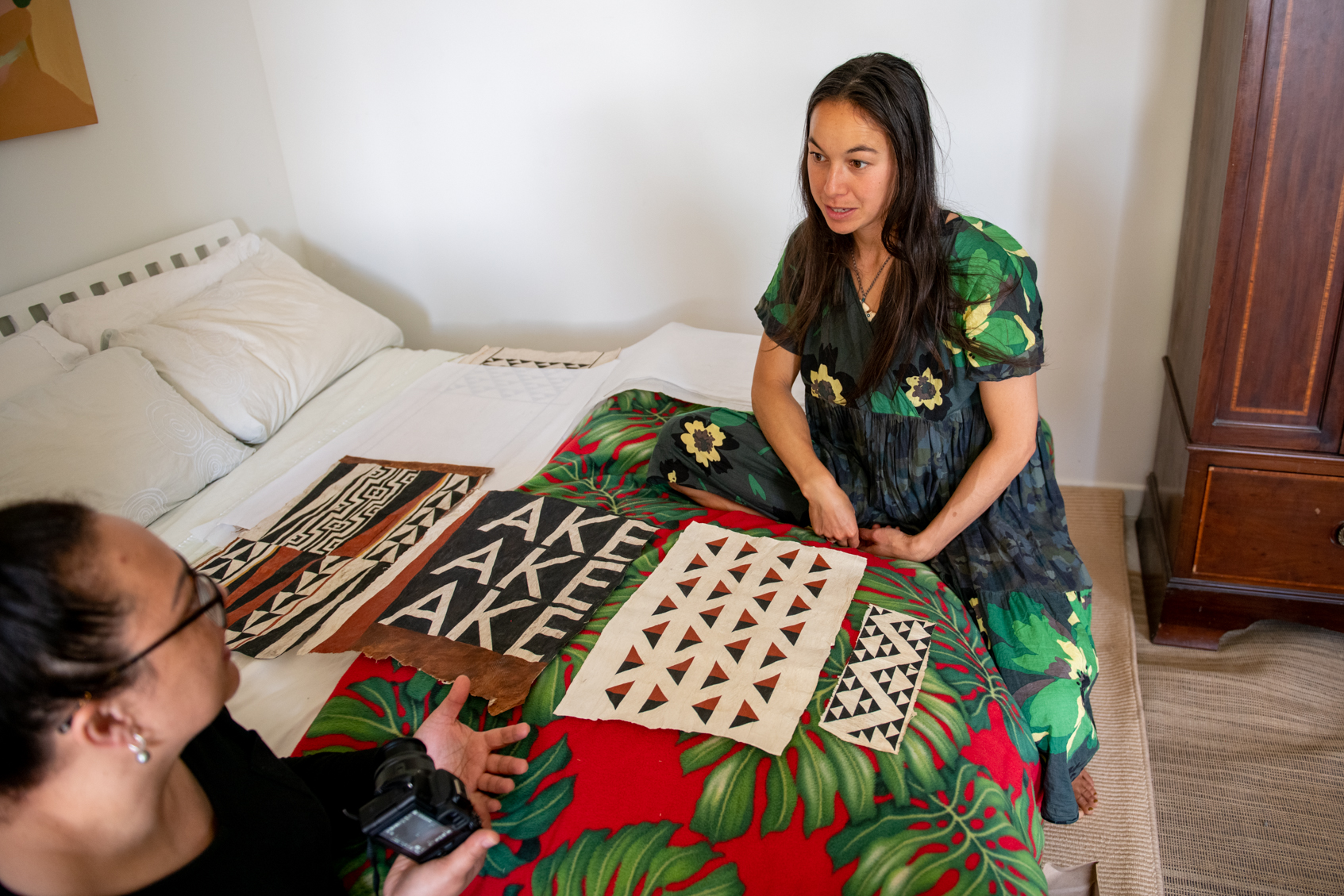
‘Aute‘ is the name of both the paper mulberry plant and the finished bark cloth here in New Zealand, Aotearoa. On the 22nd of November 2020 the team sat down and had a korero with fellow revivalist Nikau in her childhood home in West Auckland.
We shared our stories, journeys, discoveries and experiences about practices of revival and that of aute. We were privileged to learn of her wholistic approach of aute; the importance of paying respect to the earth: Papatūānuku, the aute plant, the process and finally your (the maker) physical, mental and emotional well-being essence becoming infused into the aute.
We look forward to building and working more closely with our tuaine Nikau on this journey. We are indebted to her. The Pā’oa revival collective continue to admire her creativity and bravery in embarking on this journey before us and we are most grateful for the opportunity to share, learn and providing guidance and advice through our own journey.
Te Aravei’anga ia Nikau Hindin, te taunga ‘akaoraanga Aute.
Ko te Aute e ingoa teia no te pu rakau e pera katoa ko te kakau pakiri rakau ō Aotearoa. I te ra 22 o Noema, i roto i te mataiti 2020, kua aravei atu matou ia Nikau i korai i tona ngutuare i Tamakimakaurau. Ko Nikau e taunga aia no te akaora’anga i te aute.
I roto i teia aravei’anga o matou, kua autaratara matou no runga i te aute. Kua tua atu matou kia Nikau e kua tua pera katoa mai aia kia matou te au tara teretere’anga, te au mea tei kitena ia mai, e te au mea tei tupu no runga i te ‘akaora’anga i te aute. Kua mataora, kua manuia e kua ngakauparau tikai matou i te kite’anga i te au mea manganui tei takapuni ake i roto i te amani’anga i te aute; mei te akangateitei’anga i te enua: ko Papatūānuku, te pu rakau aute, te au mea tei rave ia i te amani’anga, te pae kopapa, manako e te manava te ka ō atu ki roto i te aute.
Te rekareka nei matou no teia tika’anga kia rare kapipiti matou ki te pae i teia tuaine (tuahine) ia Nikau a teia nga tuatau ki mua. E manganui ta matou kaio’u kia ia. Te kite nei matou i te apai’nga tika, tona kite karape e tona ‘ītoatoa’anga i te ‘akamata’anga i teia tere’anga e kua rekareka matou no tei āriki mai aia ia matou e pera katoa tana arataki’anga mai ia matou na roto i to matou uaaorai teretere’anga.
Aroanui e hoa.

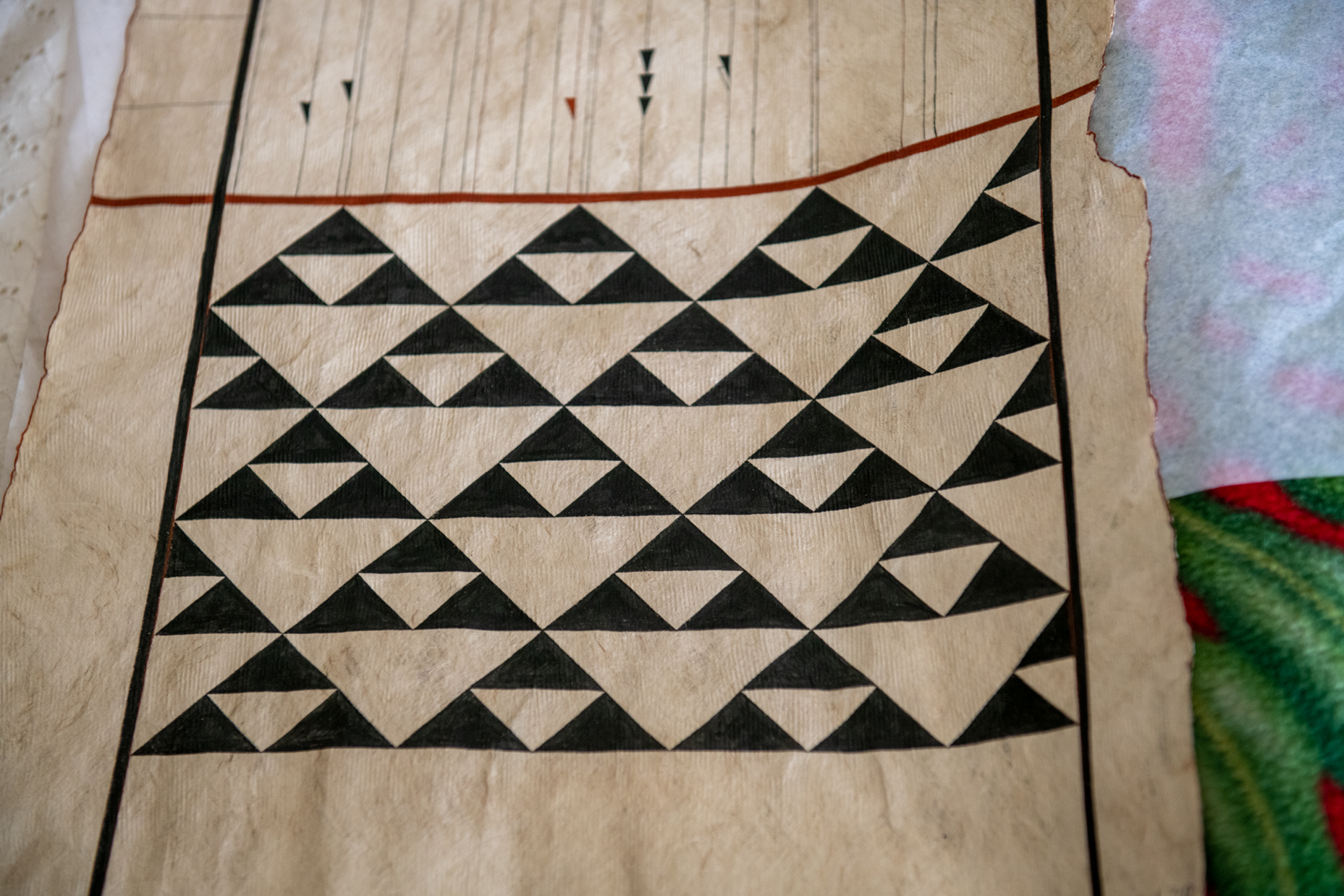
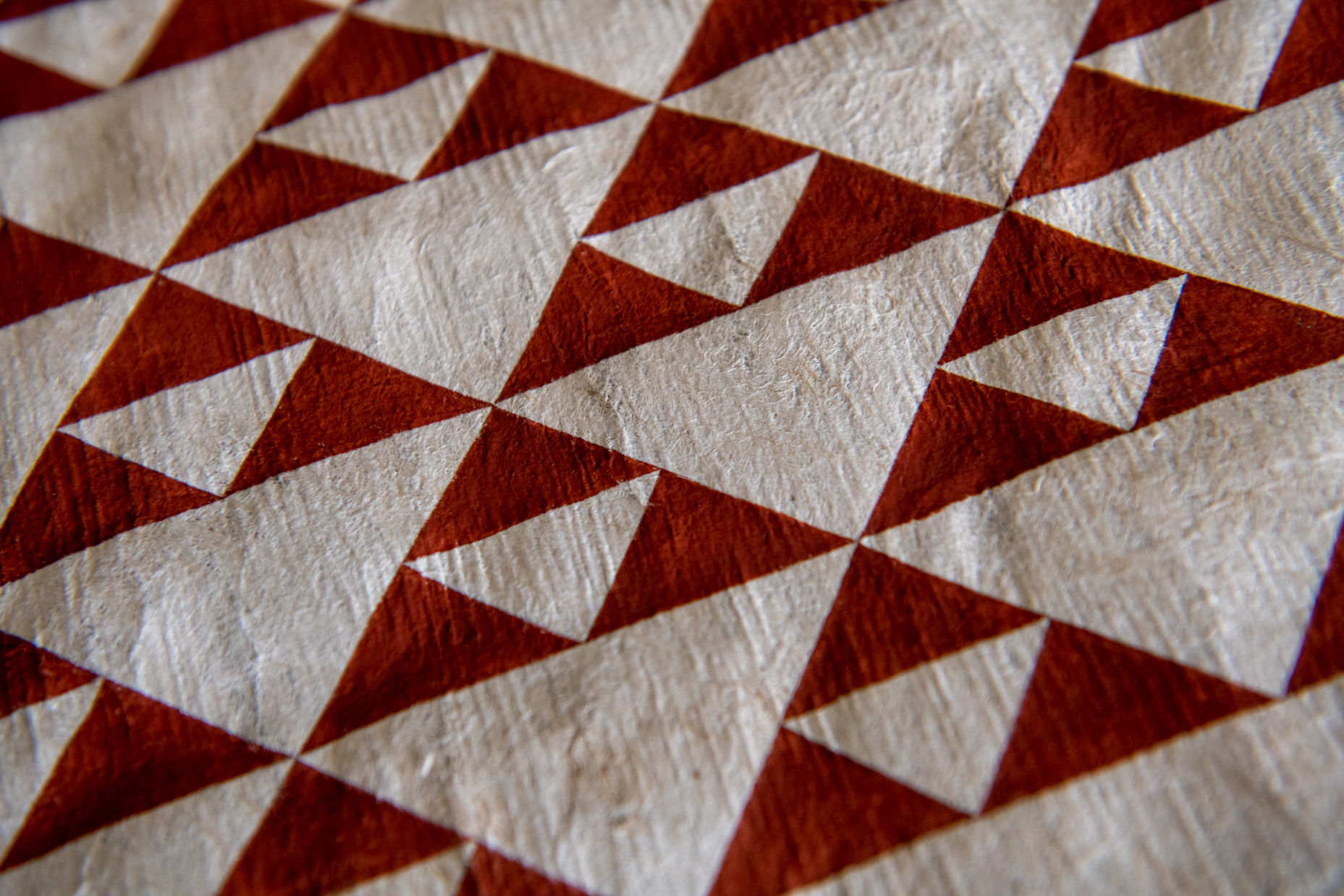
Pā’oa meets Aute
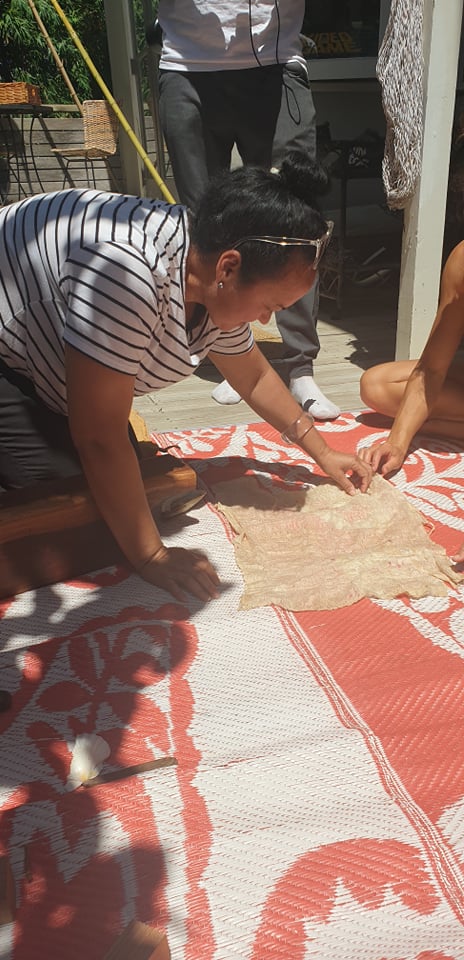
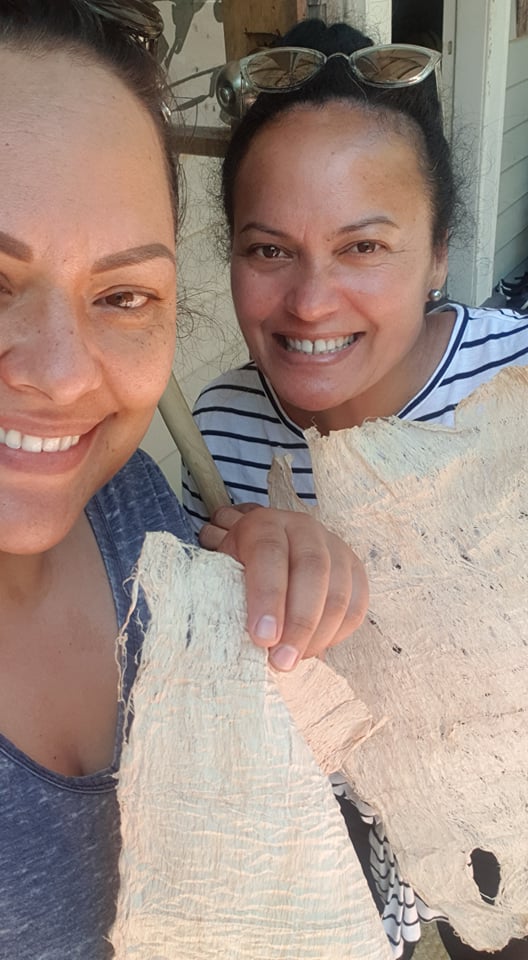
On the 5th of February 2021, the Collective spent a very important and momentous day with our teina – Nikau Hindin (Aute Revivalist). Our day started at the Koloa: Fafine ‘Aati, Mo e Tekinolosia / Women Art and Technology Exhibition held at Artspace Aotearoa, followed by an aute/pā’oa workshop. This occasion was most significant because it marked the first time in possibly 100 years that an Aitutakian woman made pā’oa. We were accompanied by our Metua and Papa, Ota Tuaeu who shared his knowledge and expertise and supported the women through karakia/pure and chants/pe’e while exchanging knowledge with Nikau throughout the day. We were honoured to be gifted with the Collective’s first aute plant and is flourishing here in Auckland, NZ. This was a memorable experience for us, not only did we make lifelong friendships on this day, we also made history.
Mauri Ora!
I te ra rima o Peperuare mataiti rua tauatini ruanga’uru ma tai, kua tae atu te putuputu’anga ki tetai rare pu’apinga ki te pae atu i te teina ia Nikau Hindin. Kua ‘akamata atu matou ki te are taunga ko Artspace Aotearoa, kua akatau atu matou i te au kakau rakau tukētukē i roto i te ‘ākari’anga o te Koloa: Fafine ‘Aati, Mo e Tekinolosia / Women Art and Technology (Ko te au vaine i roto i te au karape ‘amani’anga e te mārama ou). E tuatau pu’apinga teia no te mea ko te taime mua teia i roto me te tai anere mataiti i mou, e kua rare atu tetai uatu vaine no Aitutaki mai i te rare pā’oa. E mea mataora tikae kia matou no tei piri katoa mai to matou metua koia oki ko Papa Ota Tuaeu ki te pae i te nga vaine rave pā’oa e te tāikuiku’anga kite kia Nikau. Kua aroa ia mai te putuputu’anga ‘akaora pā’oa i te pu aute, teia e tupu nei i Tamaki Makaurau, Aotearoa. Kua rauka mai i teia ra te piri’anga tāeake tinamou e pe ra katoa no teia tei tupu i teia tuatau.

Research to Mangaia and Atiu – Jul 2022
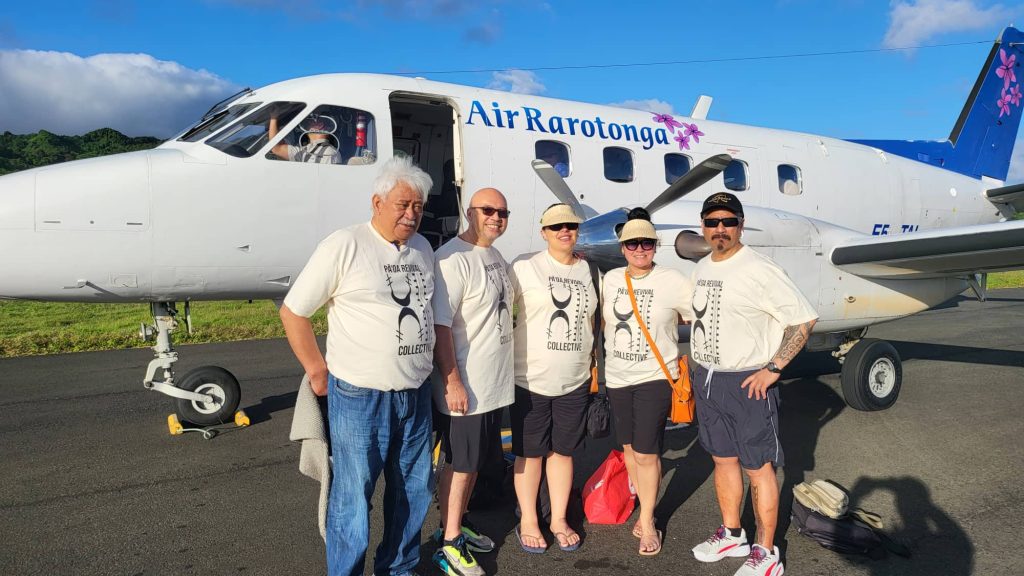
The Pā’oa Revival Collective with the assistance of Creative NZ Funding travelled to both Mangaia and Atiu in the Cook Islands, the two remaining islands in the Cook Islands actively creating barkcloth.
We were on Mangaia from the 11th till the 15th July and was hosted by the Mangaian Historical and Cultural Society. We were able to actively participate and record the process of creating ā’oa (Mangaian barckloth) made from the Banyan root.
Following our stay in Mangaia, we returned to Rarotonga and sent off for Atiu from the 18th till the 22nd of July for the second part of our research. Our Atiuan host Nani Tatuava and the Tengatangi, the village of the paramount chief Rongomatane ensured we were able to participate in all aspects of creating Atiuan barckcloth from the banyan roots including digitally recording these. During our Atiu league, we visited Atiu school and we were also fortunate to have been given a rare and special in debth viewing, including handling of the investiture clothing of Rongomatane Ariki.
An unexpected aspect of our research trip included the creation of our very own individual ‘ike (barkcloth beaters) through the kindness and giving heart of master carver and artist Mike Tavioni at the Gallery Tavioni & Vananga. This was during our stays in Rarotonga whilst awaiting travelling to outer islands (pā enua) Mangaia and Atiu.
Tere kimi marama ki Mangaia e Atiu – Tiurai 2022
Na roto i te tauturu a te Creative New Zealand kua rauka atu ia matou te putuputu’anga ‘akaora i te pā’oa i te tere atu kia ‘Au’au enua (Mangaia) e Enua Manu (Atiu). Ko teia te nga enua toe i roto i te Kuki Airani e amani kakau pakiri rakau ana.
Kua tae atu matou ki Mangaia i te ra 11 e kua akaruke i te ra 15 o Tiurai. Kua akono ia matou e te putuputu’anga o te au akono’anga e te au peu o Mangaia. Kua rauka atu ia matou i te raverave atu i te au rare no te amani atu i te kakau pakiri rakau o Mangaia koia oki ko te ā’oa no roto mai i te aka o te pu Ava.
I muri ake to matou no’o’anga ki Mangia kua oki matou ki Rarotonga e kua aere atu ki Atiu mei te ra 18 ki te ra 22 o Tiural no te tu’anga rua a to matou tere’anga kimi marama. Kua akono iatu matou e Nani Tatuava e te Oire o Rongomatane Ariki koia oki ko Tengatangi. Kua rauka atu ia matou i te raverave atu i te au peu o te amani’anga kakau pakiri o Atiu no roto mai te aka o te pu Ava. Kua rauka katoa atu ia matou i te ‘akatāmou atu teia au rare ki runga i te teata ‘akatau. Kua aere atu matou i te ātoro i te tamariki o Apii Atiu, e kua manuia matou no tei rauka ia matou i te akatau matatio atu e te opara atu i te kakau ariki o Rongomatane Ariki.
Ā’oa of Mangaia 11th Jul – 15th Jul 2022
We are grateful to the island of Mangaia it’s knowledge holders and the Mangaian Historical and Cultural Society for their hospitality and for accepting our plight in reviving the lost pā’oa of Aitutaki. We were informed that through the sharing of skills and knowledge of the Atiuan people, Mangaia had it’s own ā’oa revival and for this reason, our Mangaian teachers have continously reflected back to their own journey and shared this with us. We acknowledge that the practice of ā’oa shared to the collective remains the property of the people of Mangaia and hope that those who read and follow our pā’oa revival journey also respect this.
Te mea mua, te inangaro nei mātou i te ‘akameitaki i te au tangata mou marama e te kite o Mangaia e pera katoa te putuputu’anga Mangaia Historical and Cultural Society no ta ratou ariki’anga mai ia mātou e ta ratou turuturu’anga i te pati’anga kimi marama o te putuputu’anga ‘aka’ora’anga pā’oa o Aitutaki. Kua ‘akakite ia mai kia mātou e na roto i te tū aroa e te oronga o te Atiu, kua na roto atu a Mangaia i te ‘aka’ora’anga i ta ratou ā’oa. No teia tumu, kua ‘aka’oki a Mangaia i te au api’i’anga tei oranga’ia kia ratou. Te irinaki nei mātou e ko te au marama e te au karape tei api’i’ia mai kia matou, kia no’o rai tei reira na te iti tangata o Mangaia, e kia ‘akatapu rai tetai uatu tangata e āru mai nei ia mātou tei reira.
Arrival: Araveianga
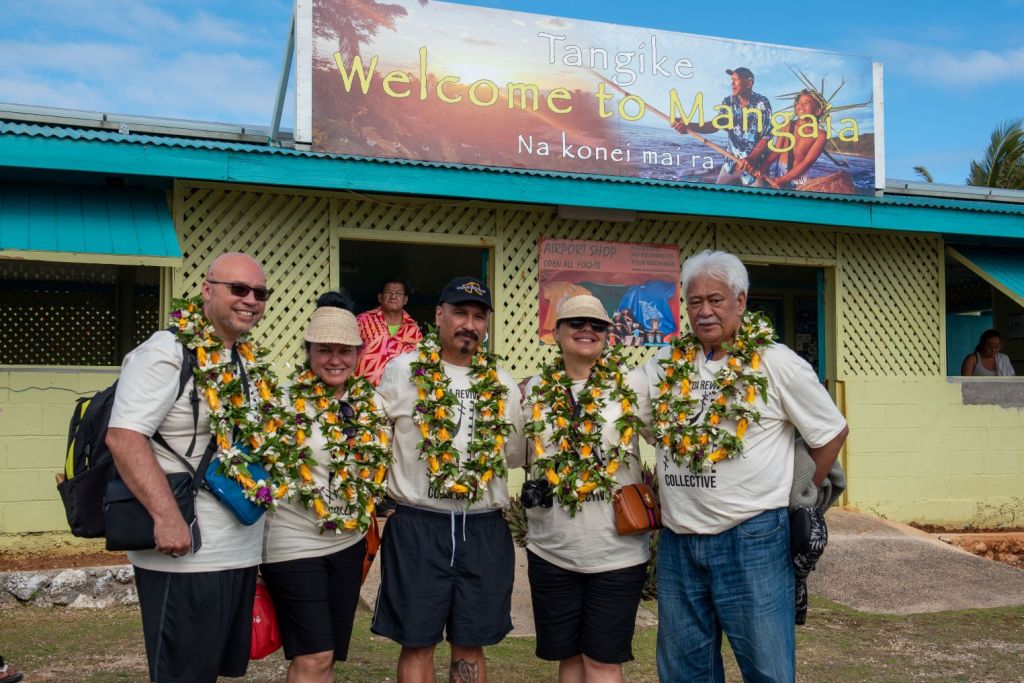
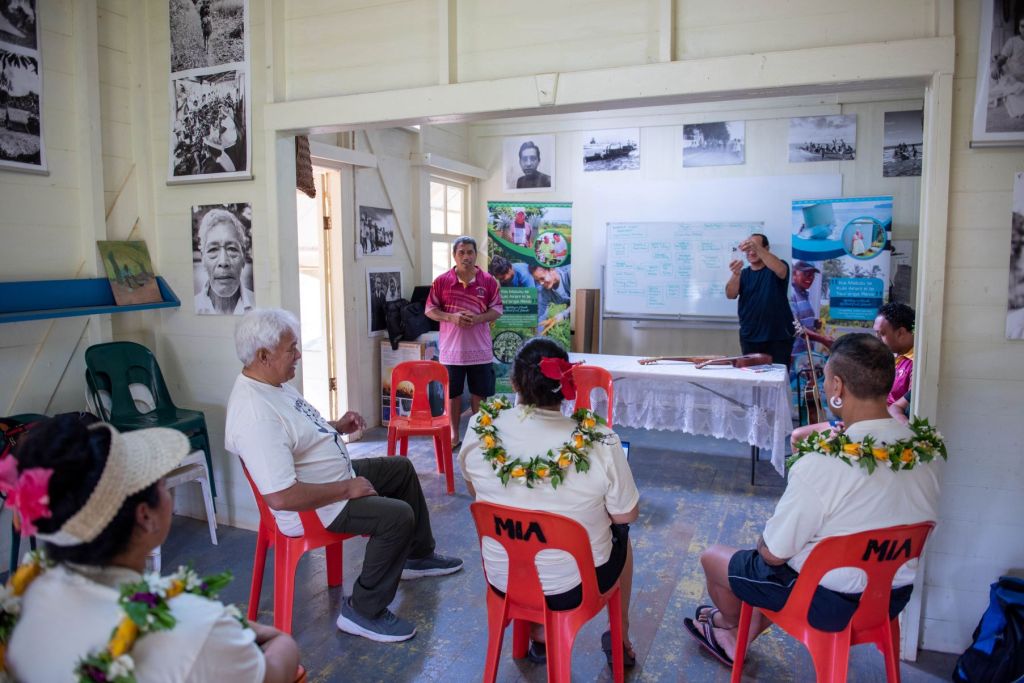
We arrived to Mangia and was warmly welcomed by our hosts from the Mangaia Hisotrical and Cultural Society. From the airport we traveled to their headquarters in Oneroa and proceeded to introductions, they gave us an insight into their organisation and the island of Mangaia. We felt the love and hospitality in Au’au enua from the beginning of our trip to the very end.
Kua tae atu matou ki Mangaia mei tei reira tuatau e te tuatau uatu ka oki mai ei matou, kua ‘akāri mai the enua o ‘Au’au to ratou tu meitaki na roto i te akono’anga ia mātou. Ko te putuputu’anga Historical and Cultural Society o Mangaia tei aravei mai ia mātou i te ngai tō’anga pairere e kua taki atu ia matou ki to ratou are rare i Oneroa e kua ‘akamarama mai kia matou i te ‘akano’ono’o’anga o te enua o Mangaia.
Harvesting: Te tiki’anga te Ava
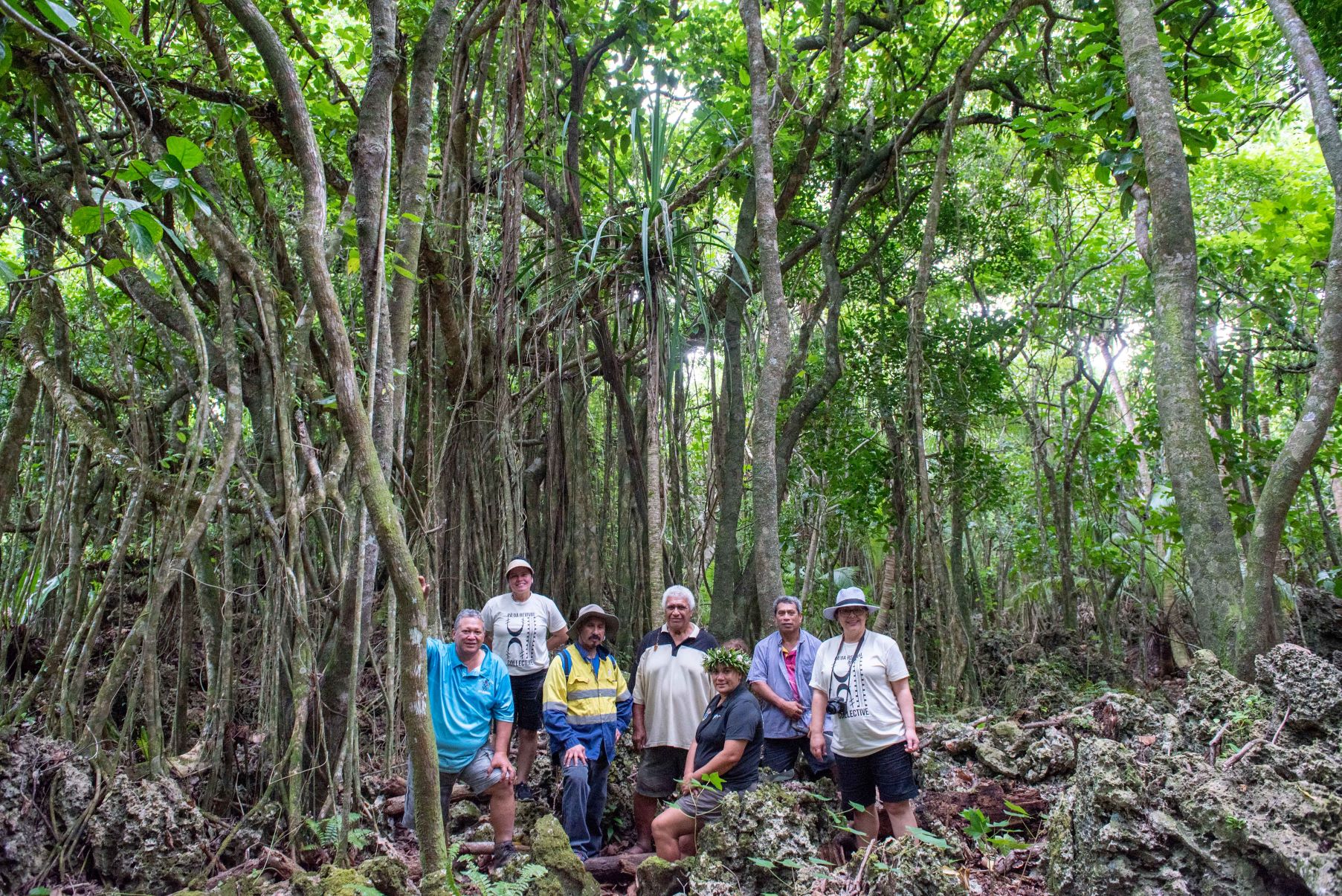
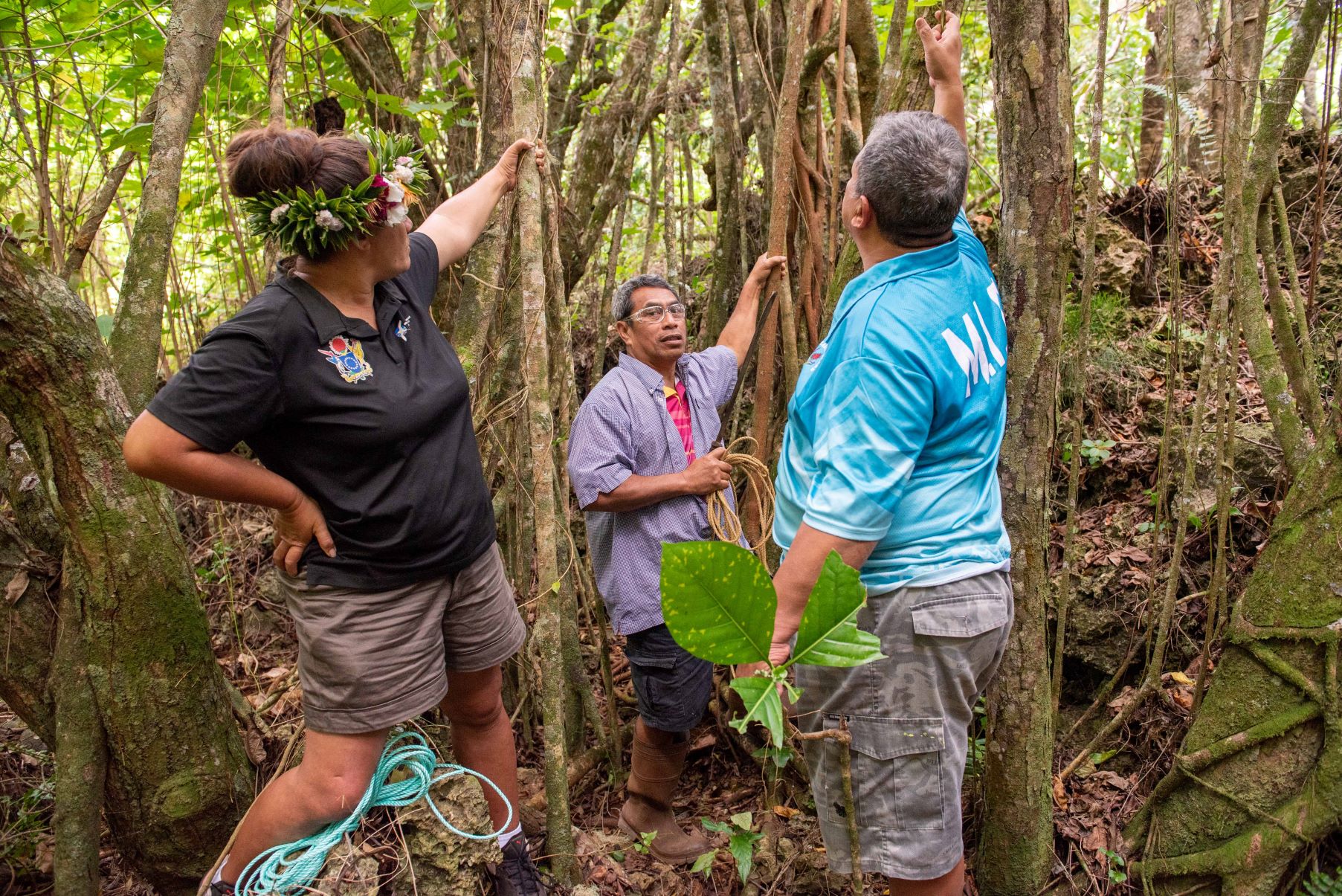
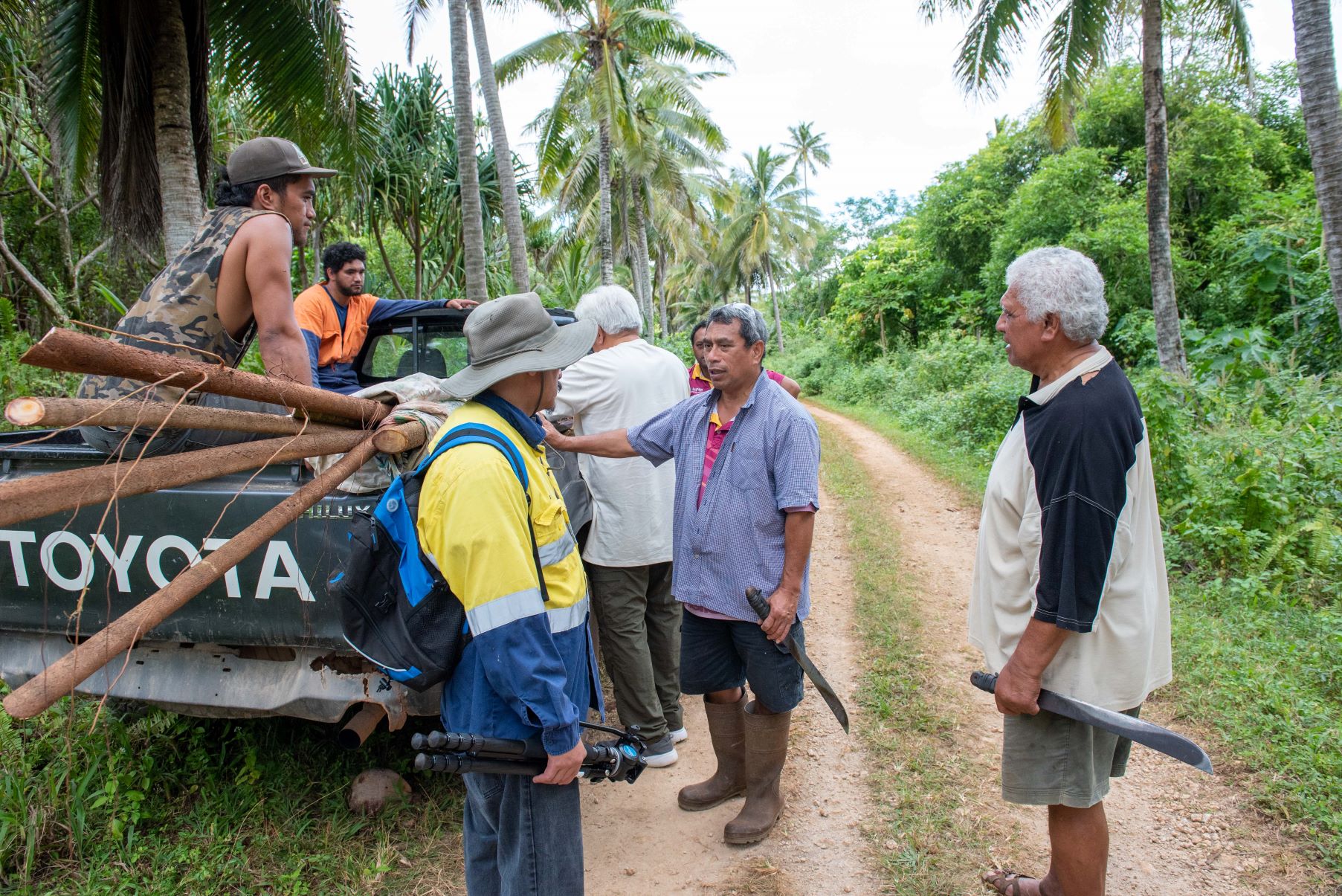
We then went on with the first part of the ā’oa making which is collecting the root of the ava (also known as ā’oa on Mangaia) commonly called the Pacific banyan Ficus prolixa. With the approval of the land owners and a few strong local young men we made our way into into the makatea (raised coral reef) in search of the root. One must go into the makatea with individuals whom are familiar with the surrounding, as you could easily get lost.
Kua tere atu matou ki te rare mua o te amani ā’oa, koia oki ko te tipu’anga i te ava (i te enua o Mangai e ā’oa) ko tona ingoa papa’ā ko te Pacific banyan, Ficus prolixa. Na roto i te ‘akatika’anga a te tangata tumu enua, e te kapiti mai’anga o tetai au tamaroa māpu e te ketaketa, kua aere atu matou ki roto i te makatea i te ē’eu ava. E mea tau rae kia aere atu ki roto i te makatea e tetai tangata kua matou e kua kite ratou i te makatea e te enua no te mea ,e mea mama i te ngaro i roto i reira.
Identifying the right root to harvest entailed distinguishing between the male and female ava roots, these are based on their colours with the females being noted as producing the best quality ā’oa. Incantations are thought to have been said prior to cutting the ava however, these have been long forgotten. The harvested ava is then carefully carried to our awaiting truck to ensure there are no bruises/damages to the bark.
Na roto i te ‘akatau’anga o te ava kia kitena ia mai te mea tau kia tipu, koia oki te akatauanga i te tuke o te toa e te ‘ua. Ko te kara o te pakiri na’ana e ‘akakite mai tei reira e ko te ‘ua te mea tau. E rave ia ana te karakia i te tuatau e tipu ia ana te ava, i na ra, kua ngaropoina aere tei reira. Ko te ava tei tipu ia mai, kua tāki iatu ki runga i te toroka e tiaki mai ra ma te matakite kore e pakiakia.
Cooking: Tunu’anga
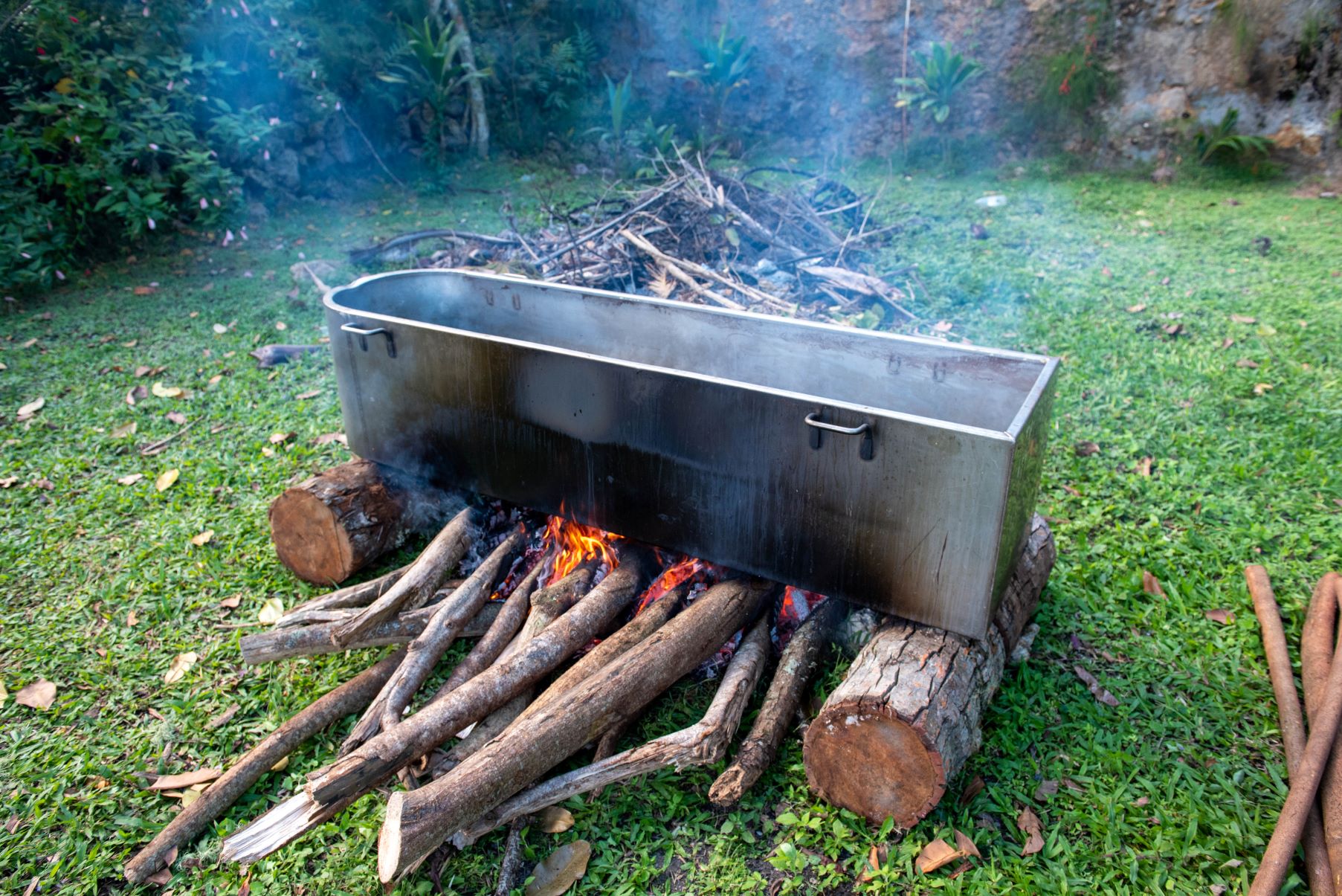
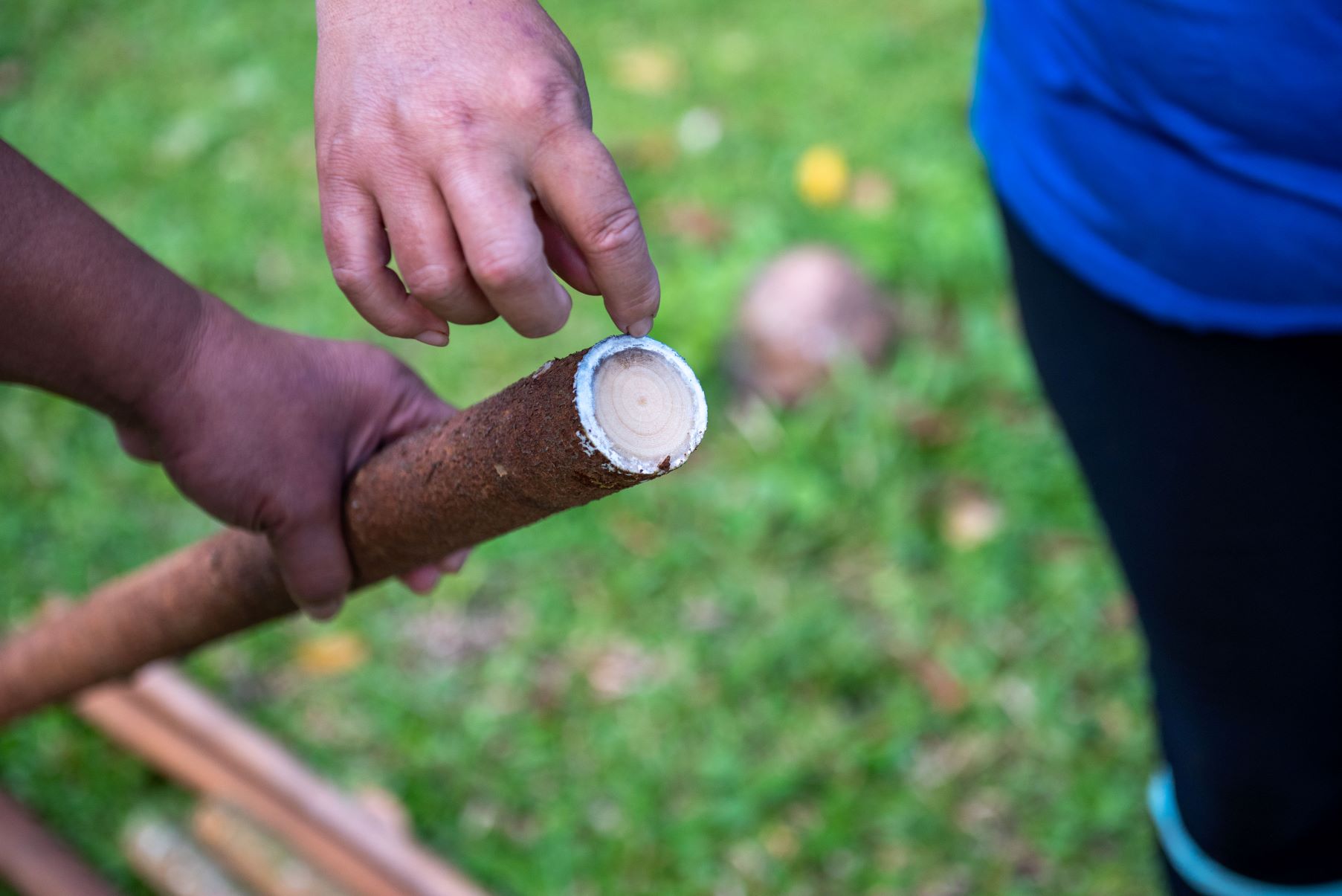
The next step in the process involved ‘cooking’ the ava and this is done by putting the ava into boiling water over an outdoor fire. The shifting of the outer bark indicates that the next stage of peeling is ready. A horizontal cut is made along the ava, and the bark is separated from the wood. The peeling can be done either by using a sharp knife to slice off the outer bark whilst still on the wood then making a horizontal cut along the ava and removing it off the wood. Otherwise, once it is peeled off the wood with the outer bark intact, a slice is made at one edge, lifting enough off the outer bark enough to grasp, with counter pressure applied to the inner bark the outer bark is peeled off. The inner bark is then soaked into water and ready for the beating.
Ko te taka’i’anga tei aru mai, koia oki ko te tunuanga i te ava. Kua rave ia tei reira na roto i te tukuanga te ava ki roto i te vai pupu tei tunu’ia i runga i te ‘ai i va’o. Me neke te ava i te pae mai i te rakau, na teia e ‘akakite mai e kua tano i te kō’ae i te pakari. Ka tipu i te roa anga o te ava, ki te o’onu o te rakau, e kua ‘akaātea mai i te pakiri no te pae mai i te rakau. E tope katoa ia ana te pakiri o vao ake e tei vai ra te pakiri o roto ki runga i te rakau i reira kua tipu i te roa o te ava e kua ‘akaātea ia mai no te pae mai i te rakau. Me kare ra, e tupai ia ana tetai manga tupai ki te ope o te pakiri, kō’are i te pakiri o vao no te pae mai i te pakiri o roto, e kua uuti ma te koare kia vai ua mai te pakiri o roto. Kua tāru iatu te pakiri o roto ki roto i te vai no te tete’amamao’anga no te tutuanga.
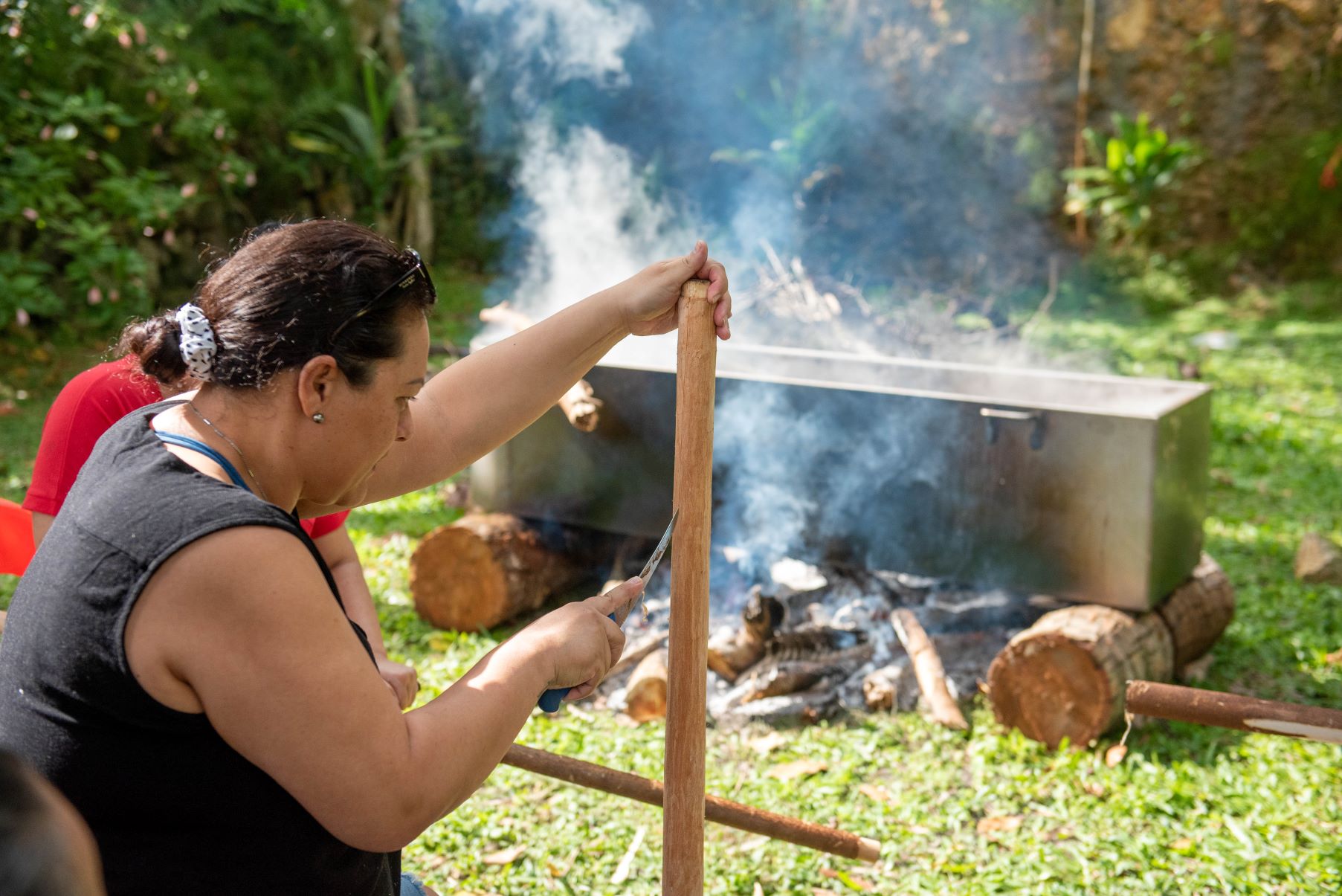
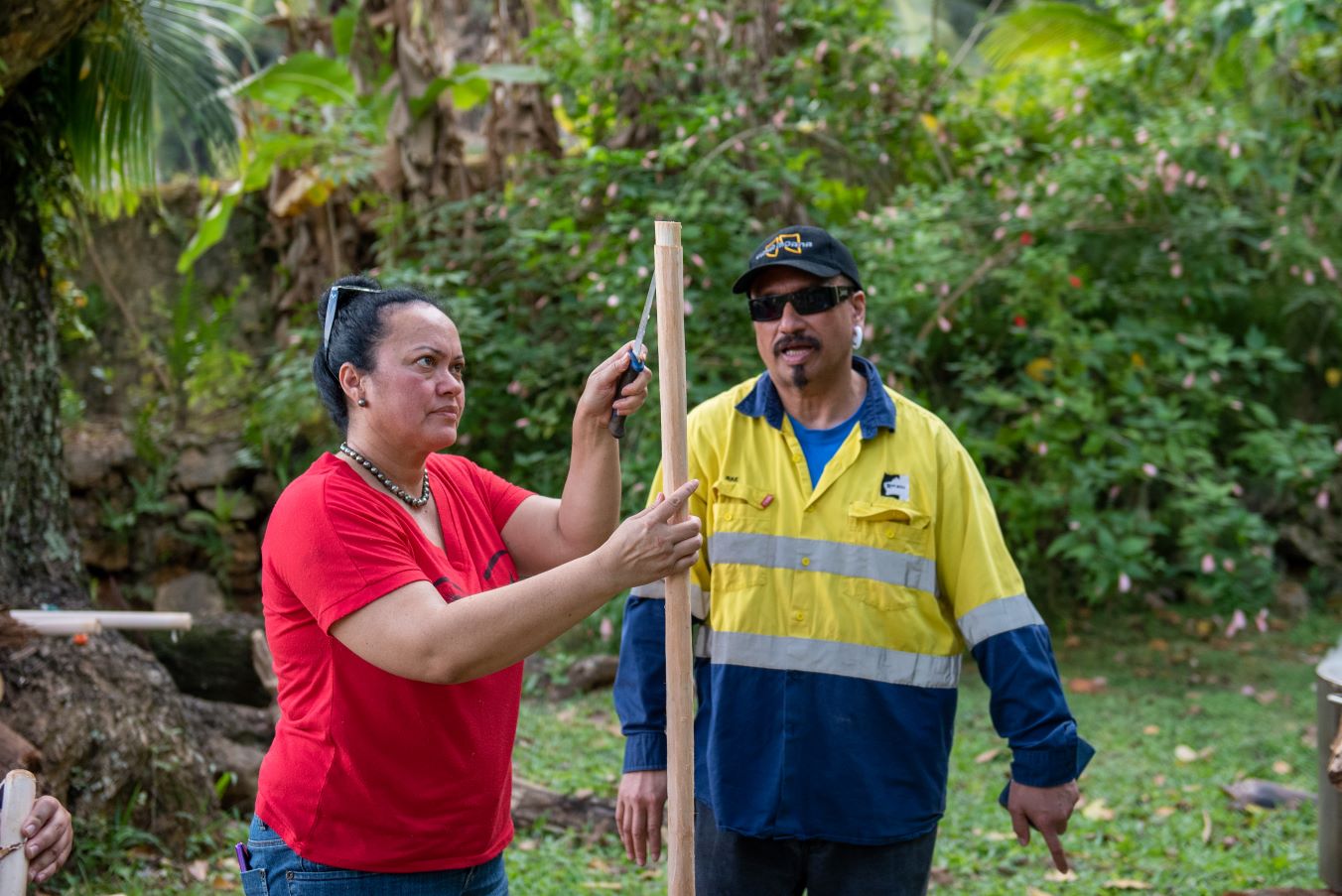
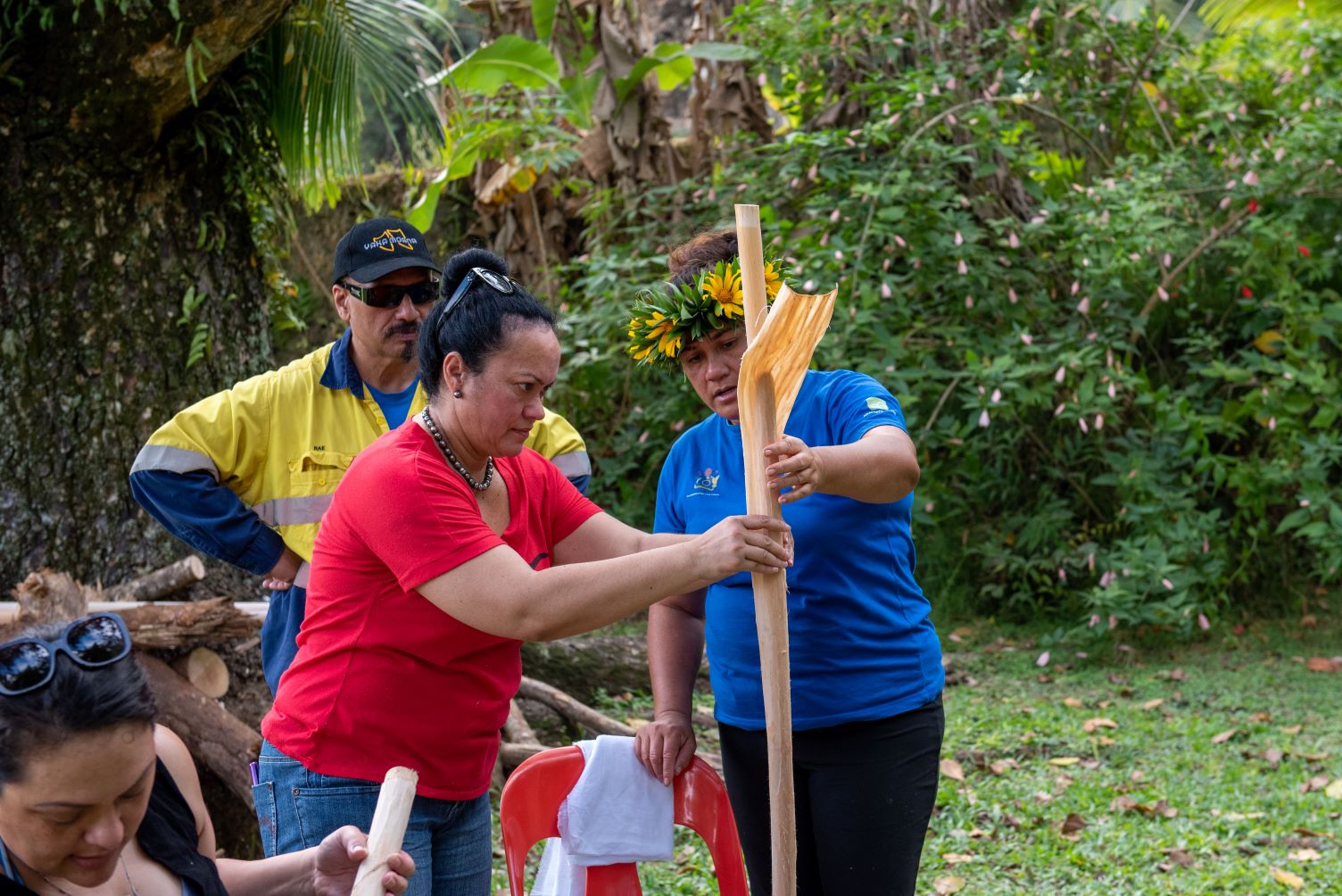
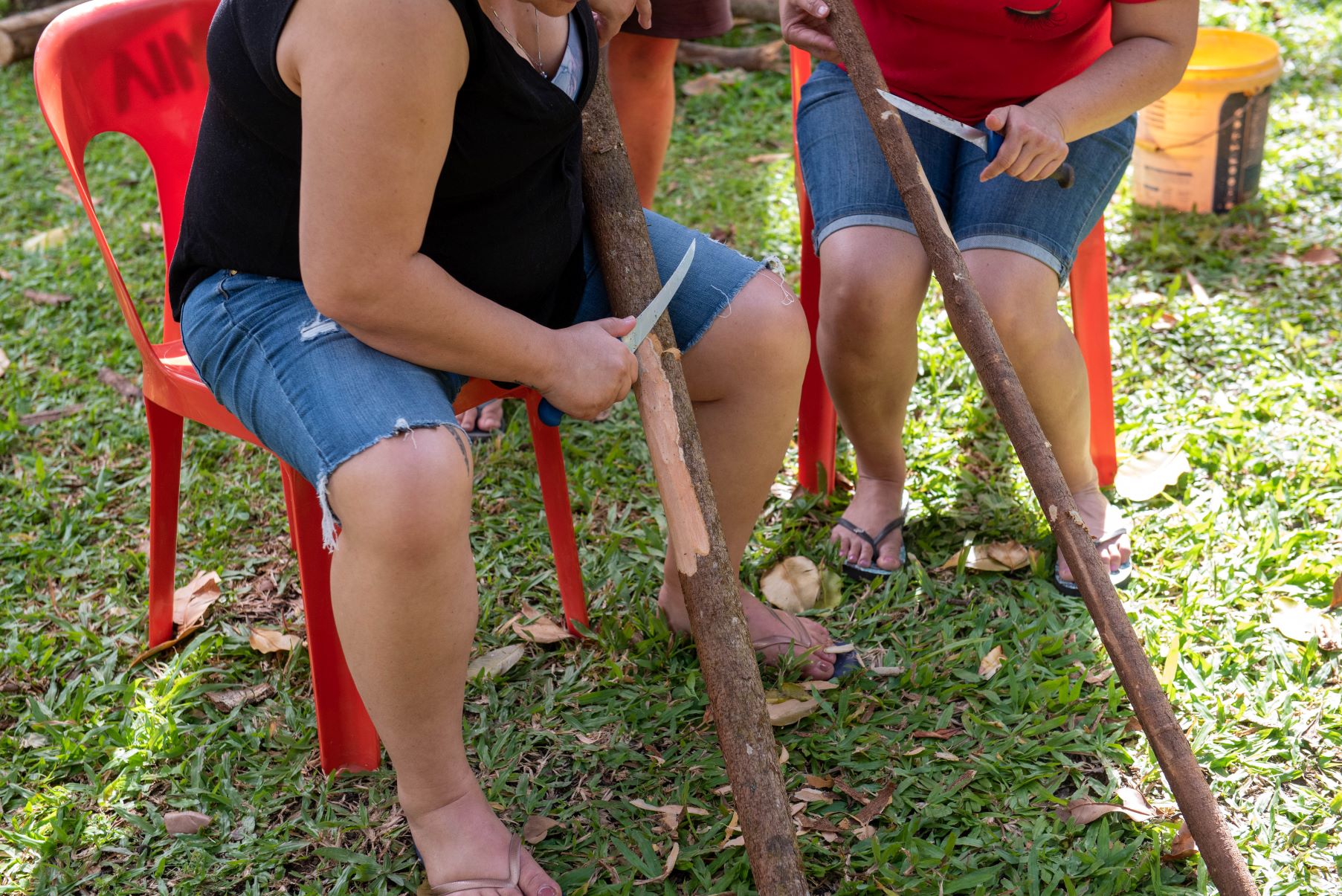
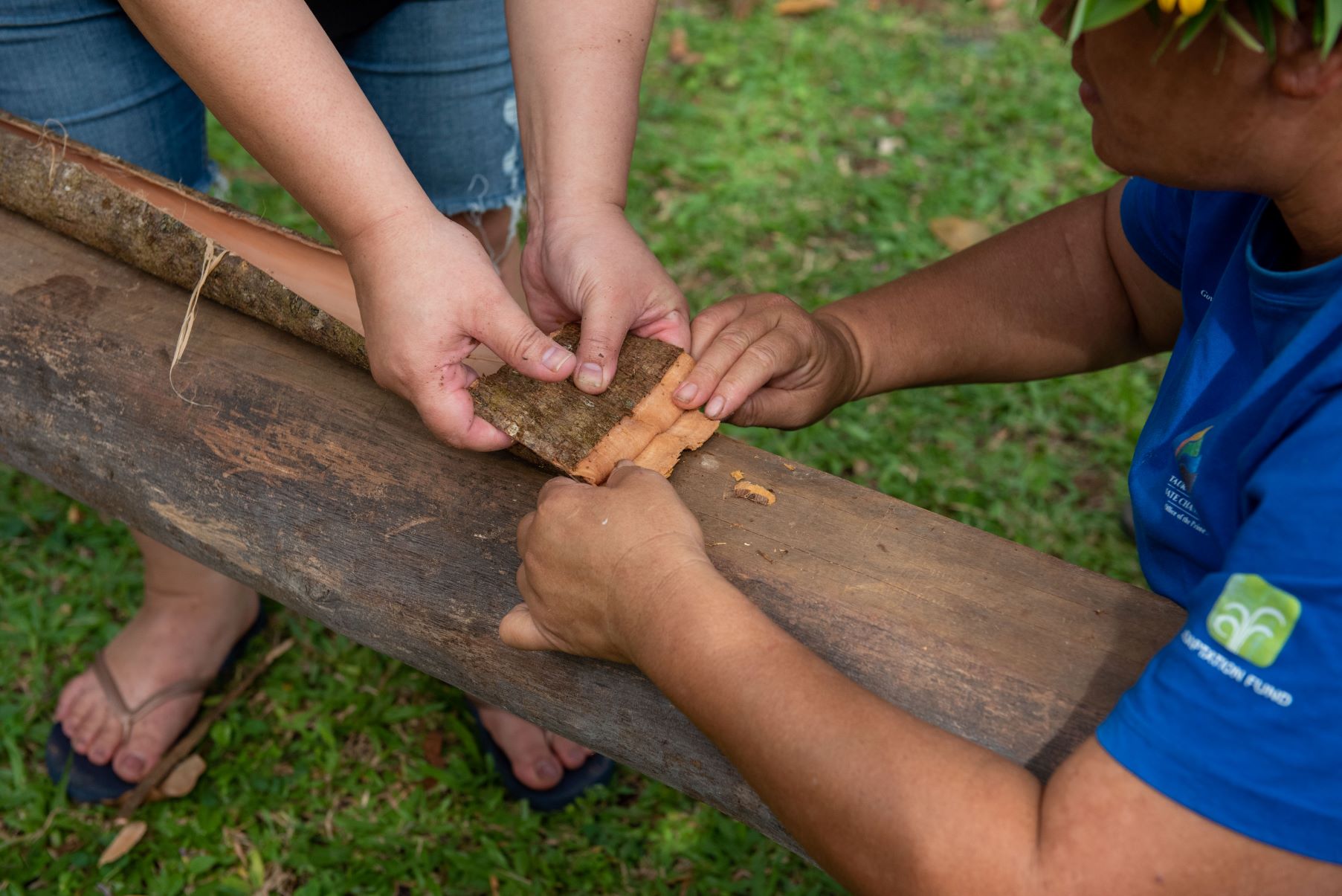
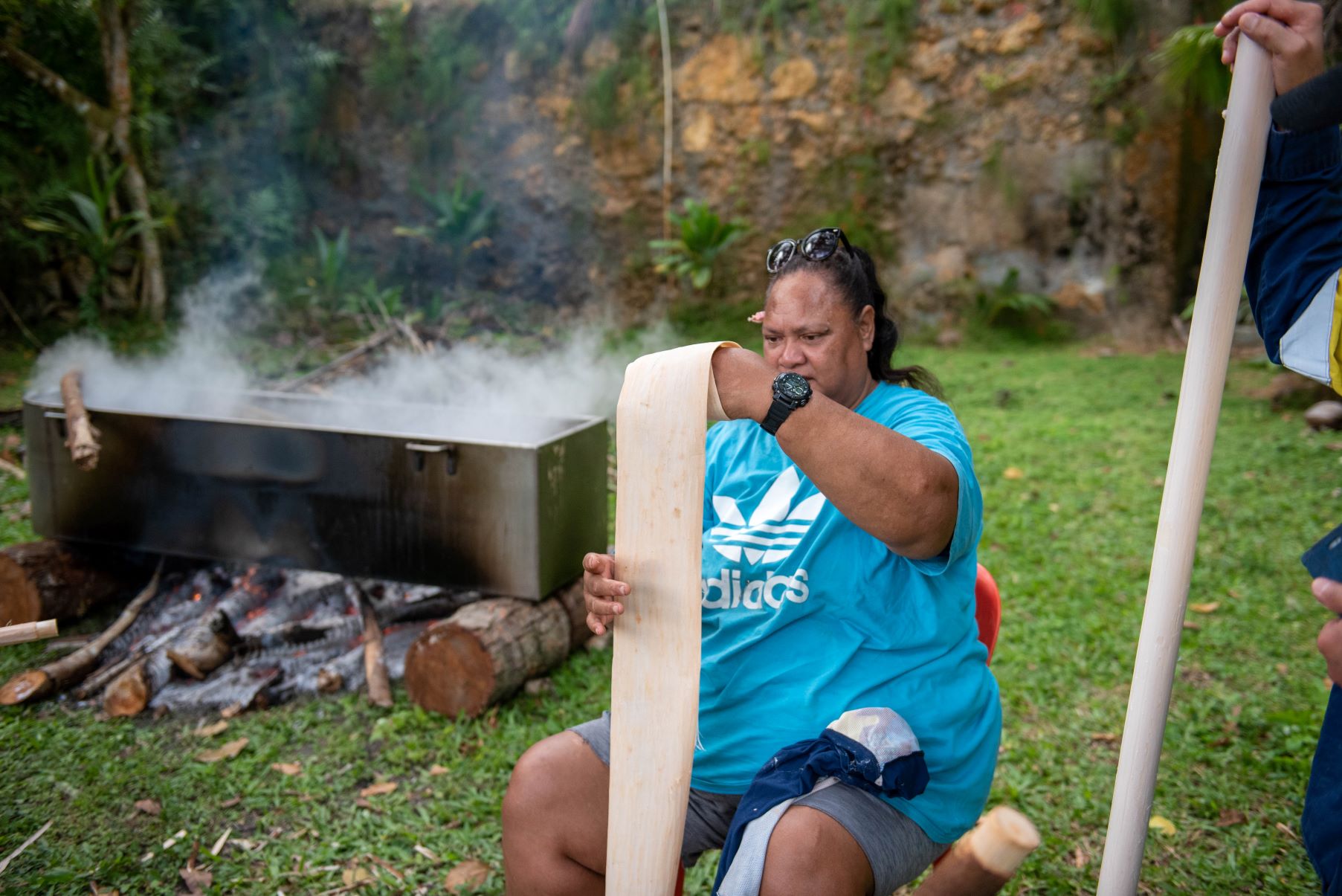
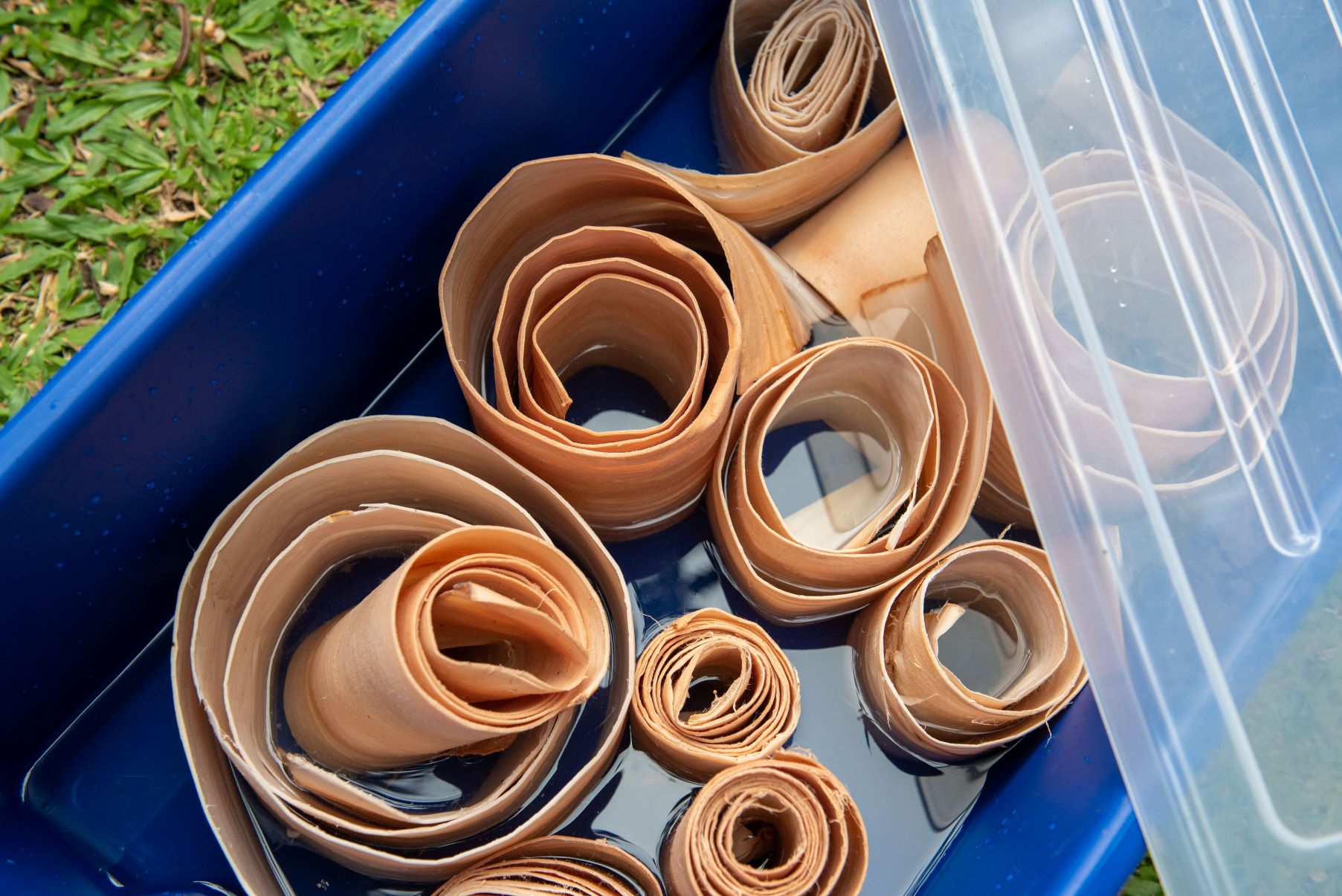
Beating: Tutuanga
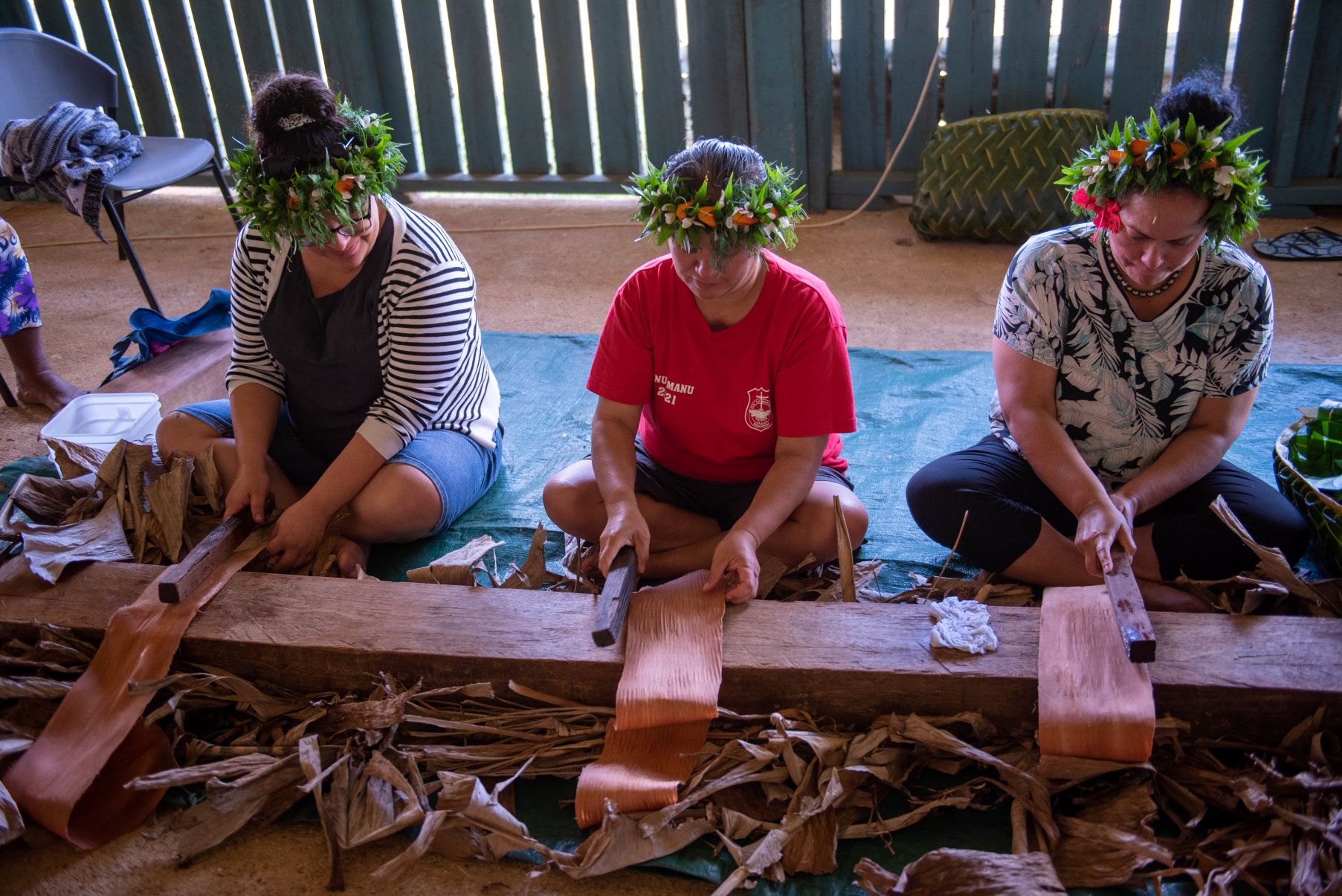
The beating of the ā’oa was done on a long piece of wood called a tutunga (anvil) made from tamanu ‘Polynesian mahogany’ Calophyllum inophyllum. The long piece of anvil is placed on top of chairs which makes it about one metre off the ground. Chairs are placed along side the anvil for the women to sit on. Dried banana leaves are laid along the ground with the purpose of keeping the bark clean as it is being beaten and was traditionally used as shock absorbers as the anvil was placed onto the ground.
E tutu’ia ana te ā’oa ki runga i tutunga tei amani’ia mai ki te rakau tamanu. Kua tuku iatu te tutunga ki runga i te no’oanga mei tetai ta’i mita no runga mai i te enua. Kua tuku iatu te au no’oanga na te pae mai. Kua ariki iatu te rau meika māro na raro ake i te tutunga kia kore te ā’oa e ki ia e te repo i te tuatau tutuanga. I te tuatau taito e ‘akariro ia ana te rau meika ei paruru ake na raro i te tutunga no te ‘akamāru i te tangi o te tutu no te ea e vai ana te tutunga ki runga i te one.
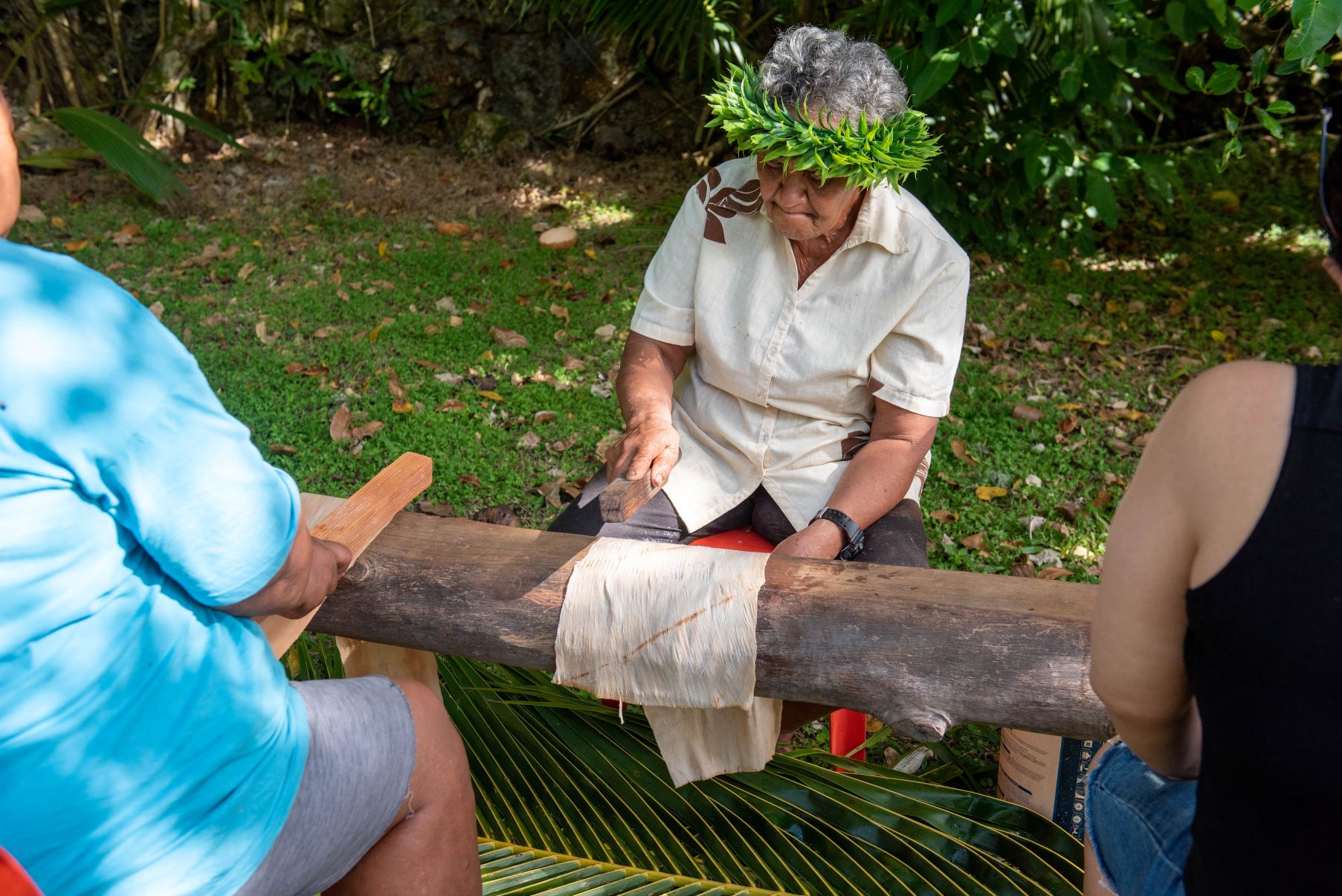
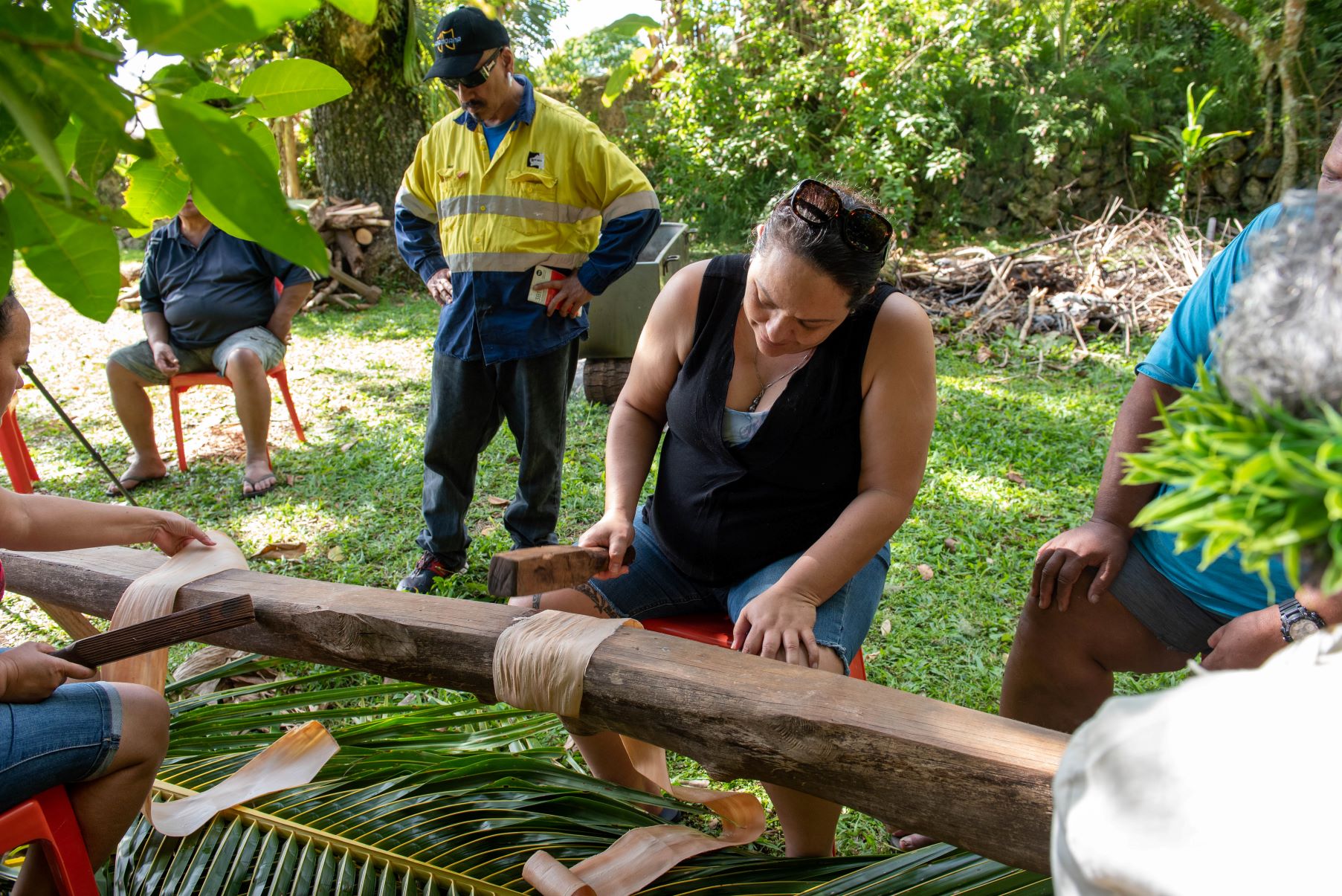
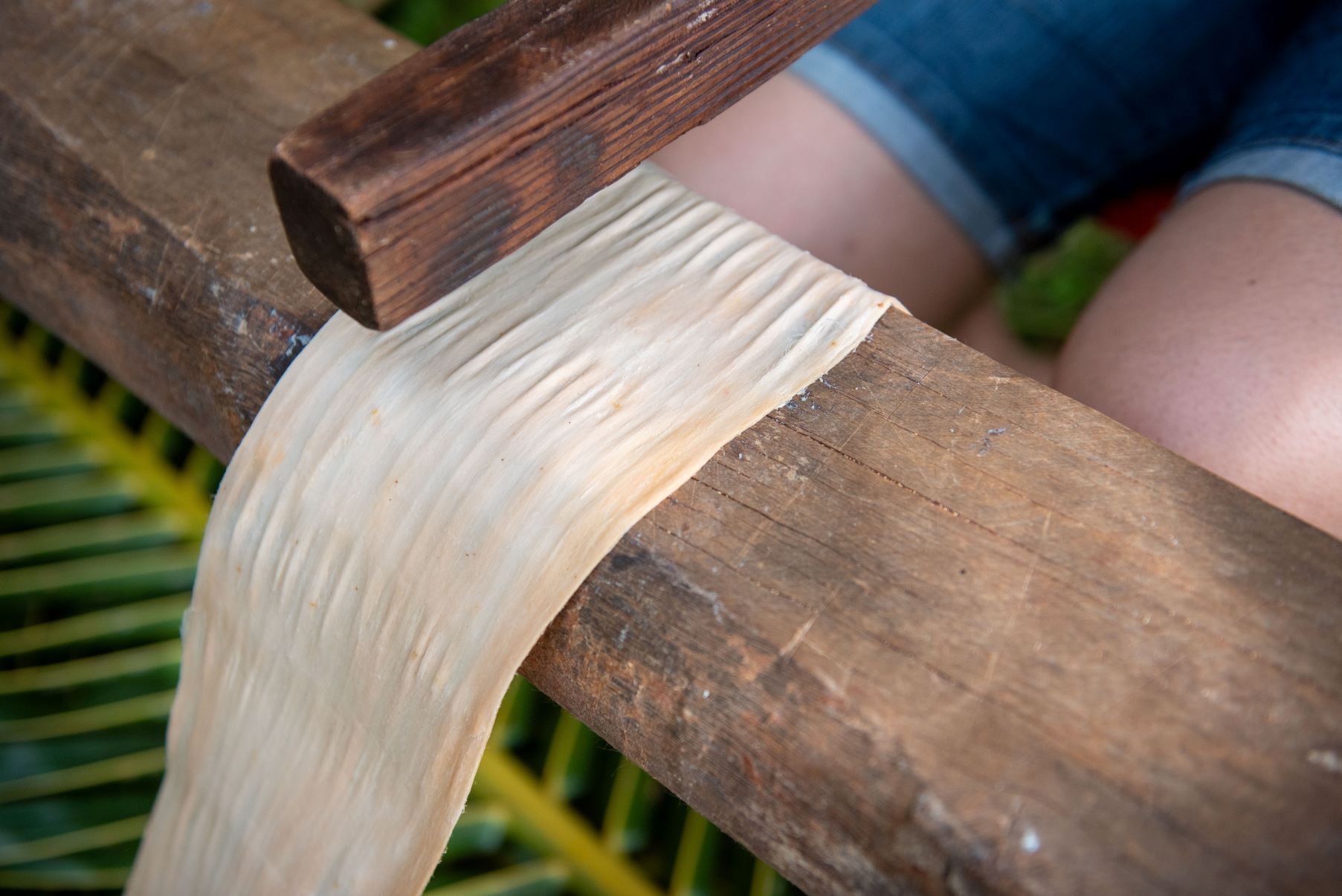
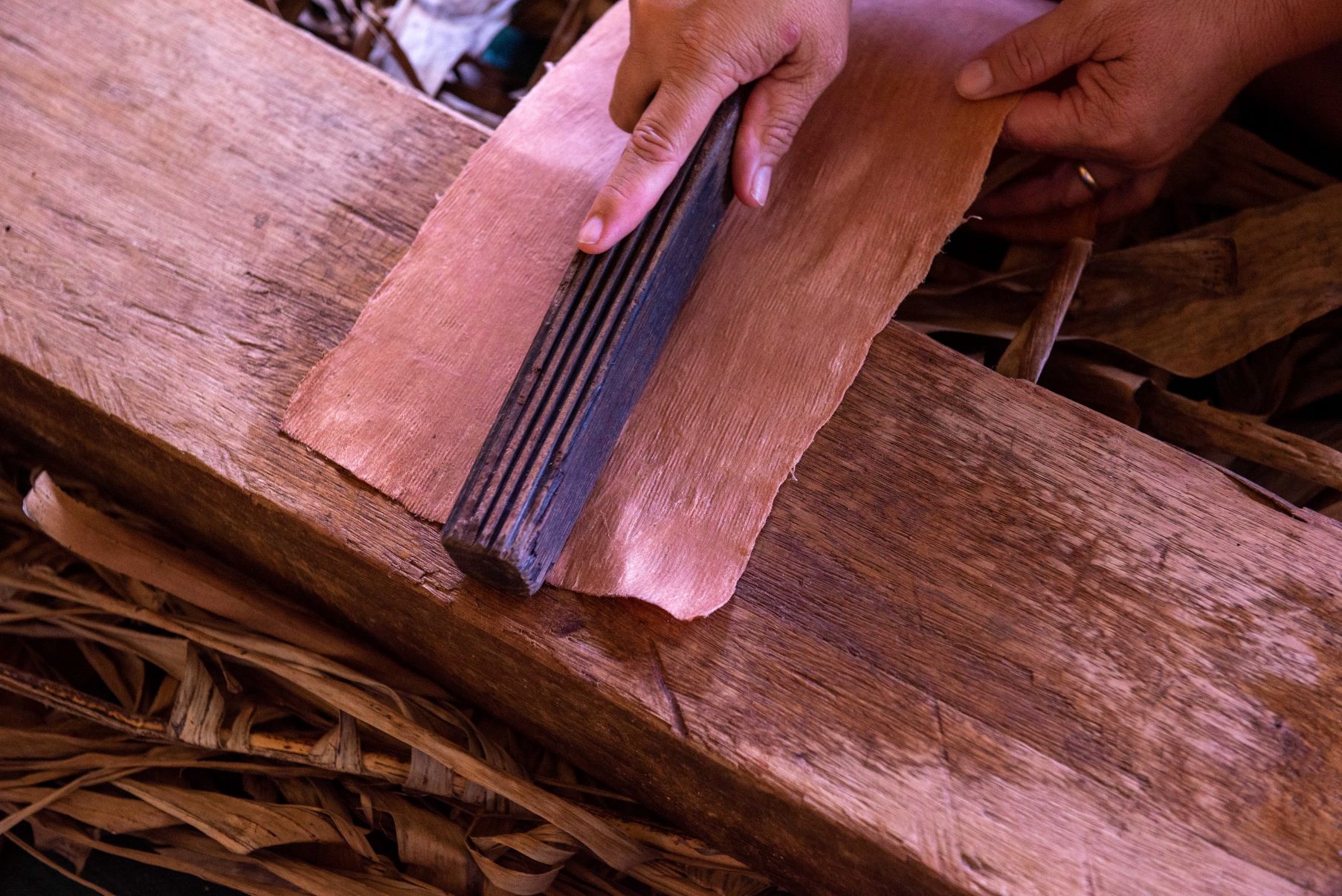
The ā’oa is then beaten with an ‘ike, with four intentionally designed sides. Starting with the wider parallel grooved side of the beater working towards the finer parallel grooves and finally the flat (ungrooved) called ‘auri’ which translates to ironing. The beating is done on the outer surface of the bark, this is the surface that is directly attached to the outer bark. Beating begins from the middle aspect of the bark then working outwards towards the edges, this assisted with the stretching and spreading of the fibers up to four times its initial length. This is repeated along the entire length. The inner surface of the bark is called mā and this is the side that faces the sun to dry when the beating is completed. This is also the side that faces outwards when creating an investiture garment.
E tutu ia ana te ā’oa ki te ‘ike. E ā tua o te ‘ike, ‘akamata ki te tua rara’i e tae uatu ki te tua unga e te tua kare i vai’ia, e ava’ia ana tei reira tua ko te auri. E tutu ia ana te ava ki te tua o va’o e ko te tua teia tei te pae te pakiri o va’o. E ‘akamata ia ana te tutuanga ki roto pū i te ā’oa e neke ki te matamata e tae uatu ki te ope o te ā’o. Ko te puapinga o teia, koia oki ko te ‘akaeta’anga i te ā’oa mei tetai ā taime te atupaka mei te ‘akamata’anga mai. E ava ia ana te tua o te ava tei piri ki te rakau ko te mā. ko teia te tua tei tauraki ia ana ki te rā. Ko teia katoa te tua te ka uri ki vao i te tuatau amani kakau ‘akamarokura’anga ariki.
Anga of Atiu 18th Jul – 22nd Jul 2022
Acknowledgments: ‘Akameitaki’anga
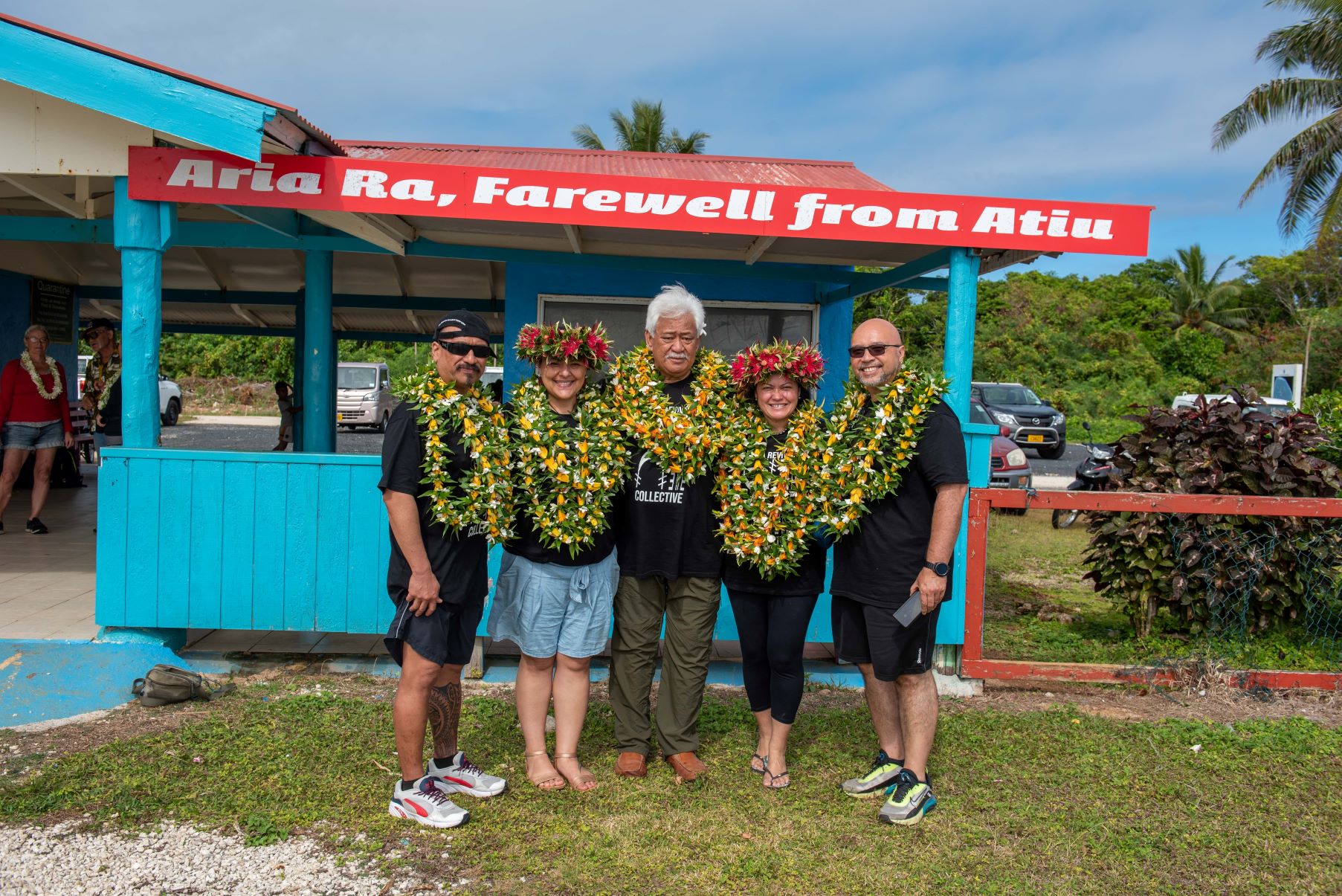
We would like to express our gratitude to the island of Atiu and to its knowledge holders especially to the village of Tengatangi, the district of Rongomatane Ariki, to Nani Tatuava and to the people of Tengatangi who offered up their time and helped us during our stay on Atiu. We acknowledge those that have shared their skills and knowledge to the Pāoa Revival Collective, we wish to honor these by allowing these to remain the ownership of the people of Atiu and hope that those who read and follow our revival journey also respect this.
Atiu is the most active of the islands in the Cook Islands practicing anga and we traveled there following our Mangaian visit. The making of anga is one that is filled with protocols, rituals and rules which are strictly adhered to especially that for the creation of a new garment for the investiture of a new paramount chief. The preparation of its garments and adornments are sacred to the people of Atiu particularly those that are participating in it’s creation.
Te ‘akaoki nei matou te ‘akameitaki’anga ki te enua ko Atiu e tona au taunga mou marama, te oire Tengatangi te tapere o Rongomatane, kia Nani Tatuava, e ki te au tangata mea rai tei tauturu mai ia mātou i te tuatau i no’o ei matou ki runga ia Atiu enua. Te ‘aka’oki nei te mana o teia marama e te au kite karape tei api’i ia mai ki te putuputu’anga ki te tangata o te enua o Atiu. Te irinaki nei matou e, e ko tetai uatu e tatau nei e te aru mai nei i to matou āaere’anga kia ‘akatapu rai ratou i teia. Ko Atiu enua te enua e raverave ana i te amani kakau pakiri i roto i te Kuki ‘Āirani e kua teretere atu matou ki Atiu i muri ake to matou tere ki Mangaia. Kua tinamou te au peu o te rare ‘anga o Atiu na roto i te rave’anga i te au tuatau ‘akamarokura’anga ariki. E rare tapu te amani’anga i teia kakau o te Ariki e pera katoa tona au rakei.
Greetings:
We were greeted at the Atiu aiport by our teacher Nani Tatuava then taken to our accomodation at Kopeka Lodge where we made our formal introductions and discussed the schedule for the days ahead. The following day prior to starting any anga activity, we meet with the island council of Atiu to seek their permission and blessing to carry out our research on Atiu island.
Kua āravei matou i to matou puapi’i ko Nani Tatuava ki ko i te ngai ‘akatō’anga pāirere o Atiu e kua taki iatu matou ko to matou ngai moe’anga koia oki ko te Kopeka Lodge. Kua ‘akaāravei ‘aka’oa matou e kua uriuri manako atu matou no runga i te ka rave matou i te au ra e tu mai nei. I te ra ou, i mua ake ka akamata matou i ta matou au rare ‘anga, kua aere atu matou i te āravei i te au konitara enua o Atiu i te ‘akamarama’anga atu i te tumu o to matou tere, e te pati tika’anga kia rave atu matou teia ki runga ia Atiu.

Harvesting & Cooking: Tiki’anga e te Tunu’anga i te Ava
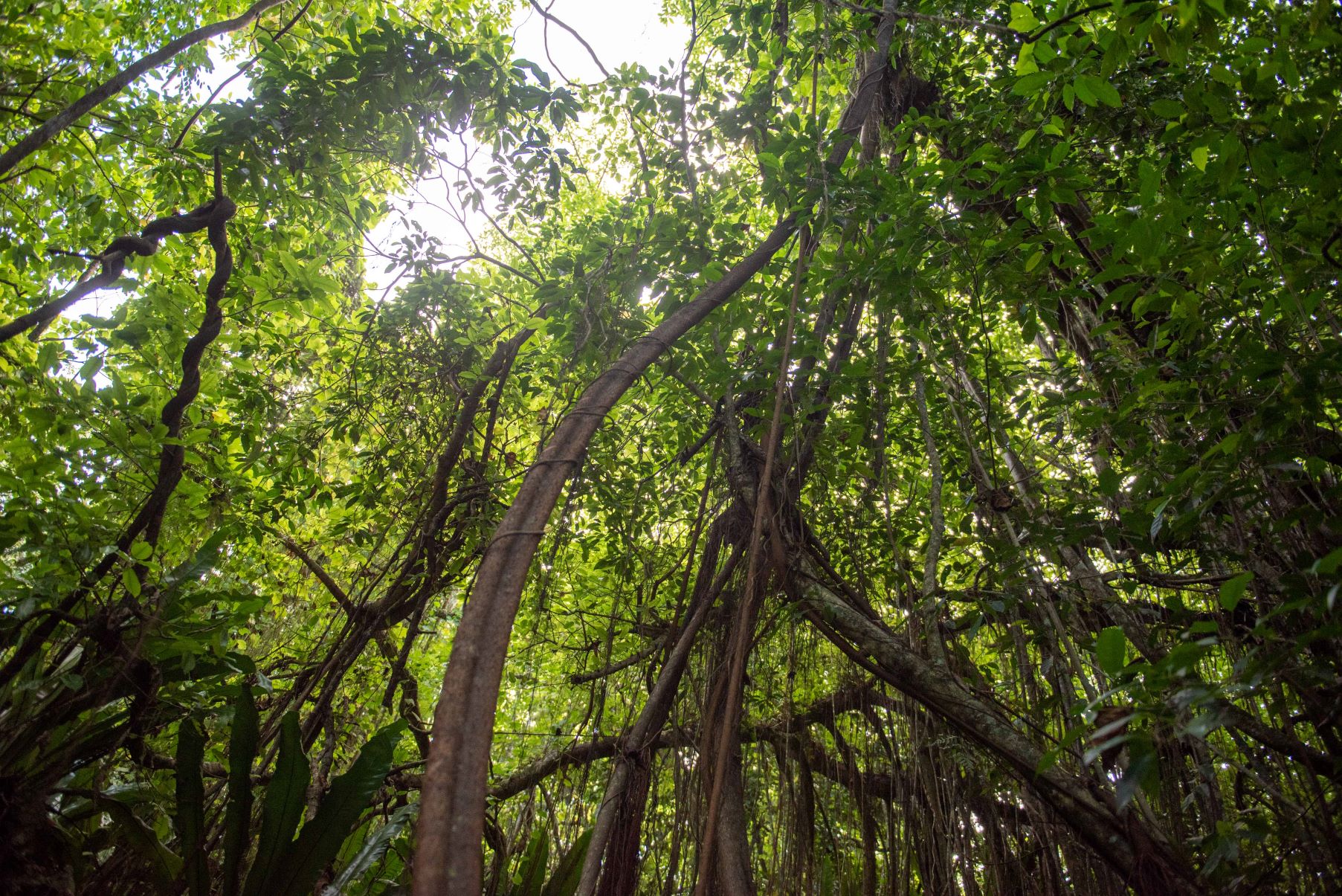
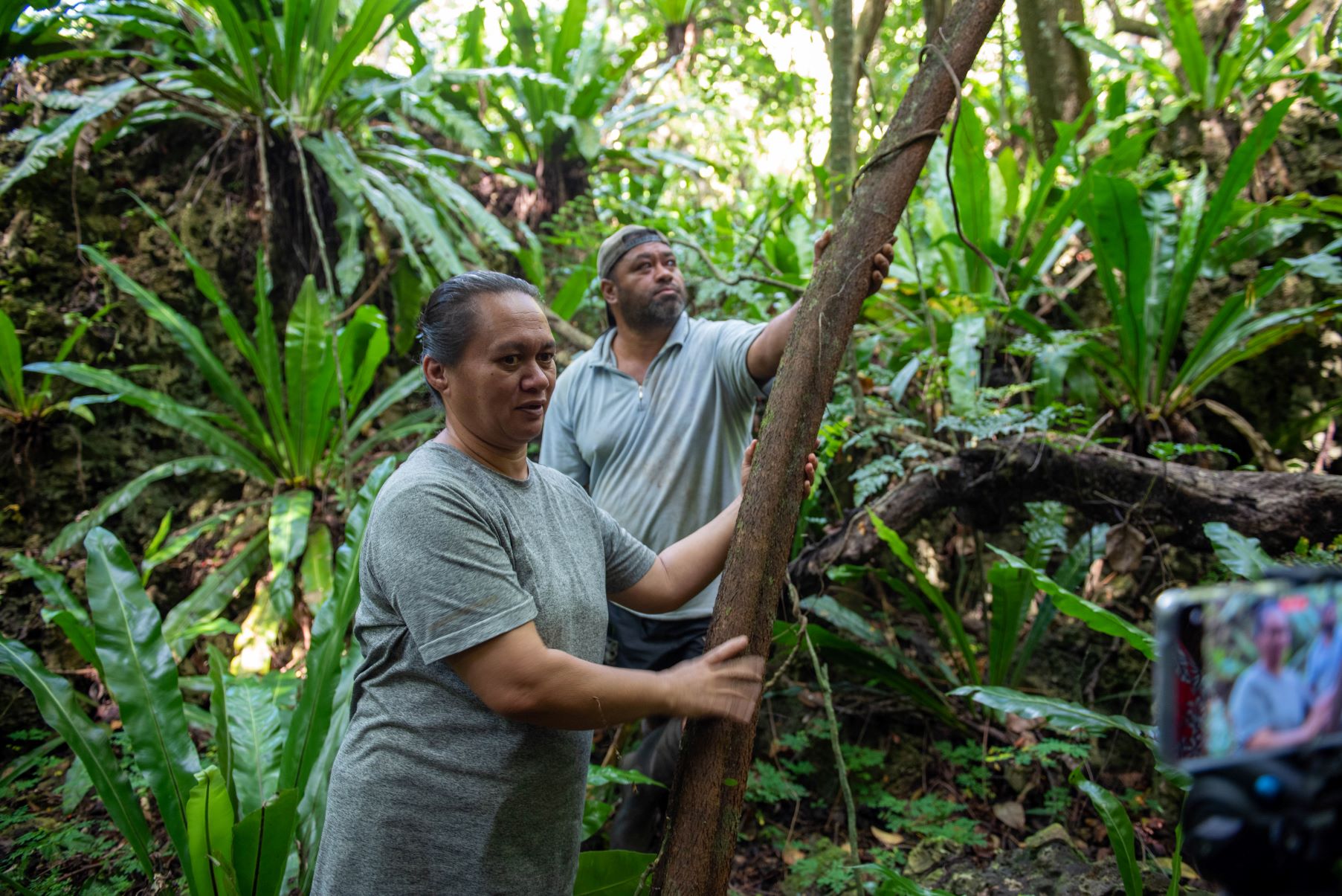
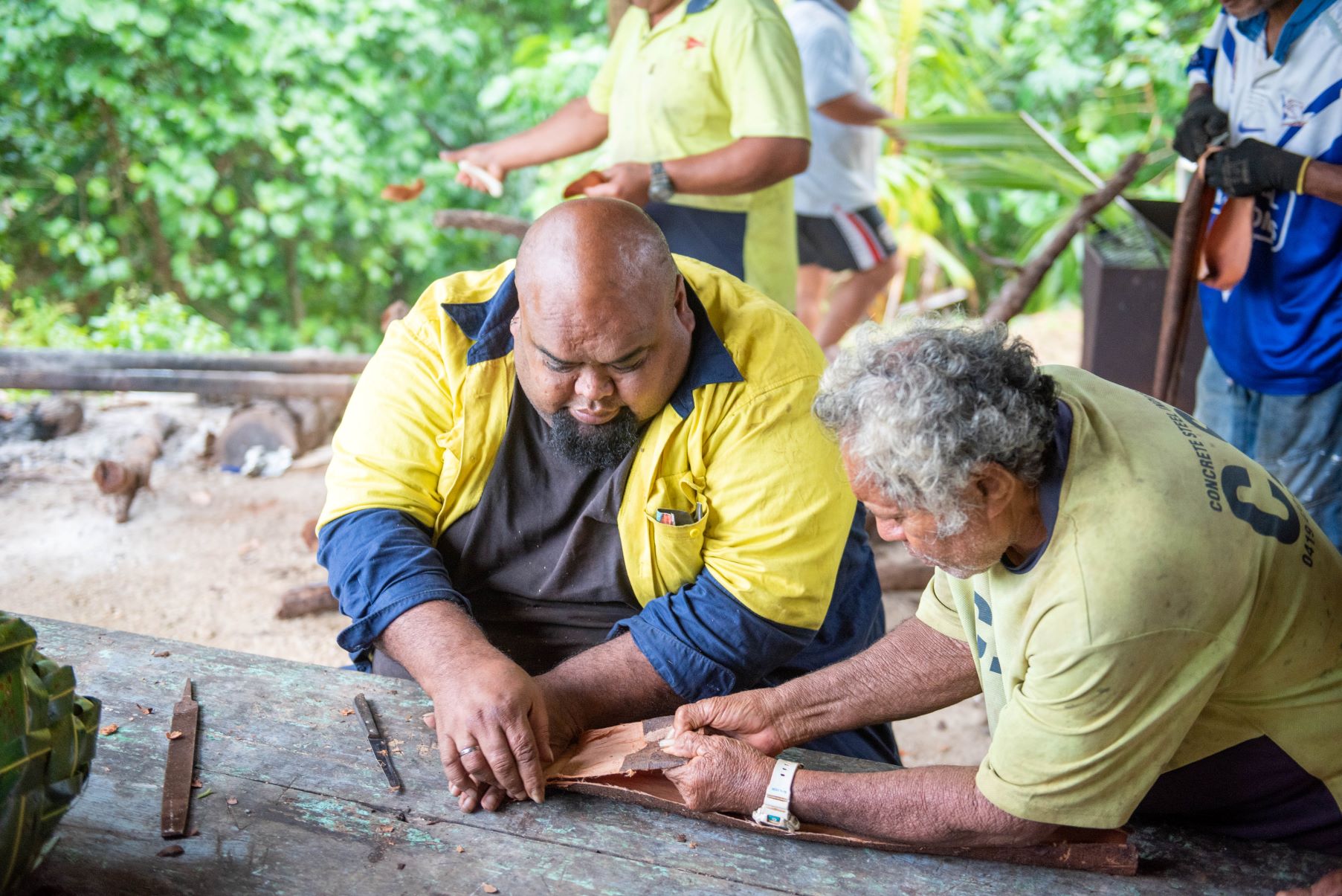
Nani and her helpers took us to the makatea ‘raised coral reef’ to harvest the roots of the ava, also known as Pacific banyan Ficus prolixa. We were shown which were suitable for harvesting and how to care for these once they were cut from the main connection. Specifically concerning a chieftains investiture clothing, the harvested banyan is not to touch the ground, nor should it hit onto rocks as it will cause damage the inner bark. The cutting of the roots were strictly done by the men and can be dangerous work.
Kua aere atu matou e to matou au tauturu ki te makatea i te tūp’ai mai i te aka o te ava. Kua akamarama ia mai kia matou te au tū ava tei tau no te tūp’ai e pera katoa te au apai’anga tei aru ia ana no te amani’anga te kakau ariki koia oki kare e tuku i te ava tei tūp’ai ia ki runga i one e pe ra katoa, kia matakite kore e ū atu ki runga i te au pōaki ko te pakiakia te pakiri rakau. Na te au tāne teia rare, no te mea e rare teia ka tupu te tumatetenga.
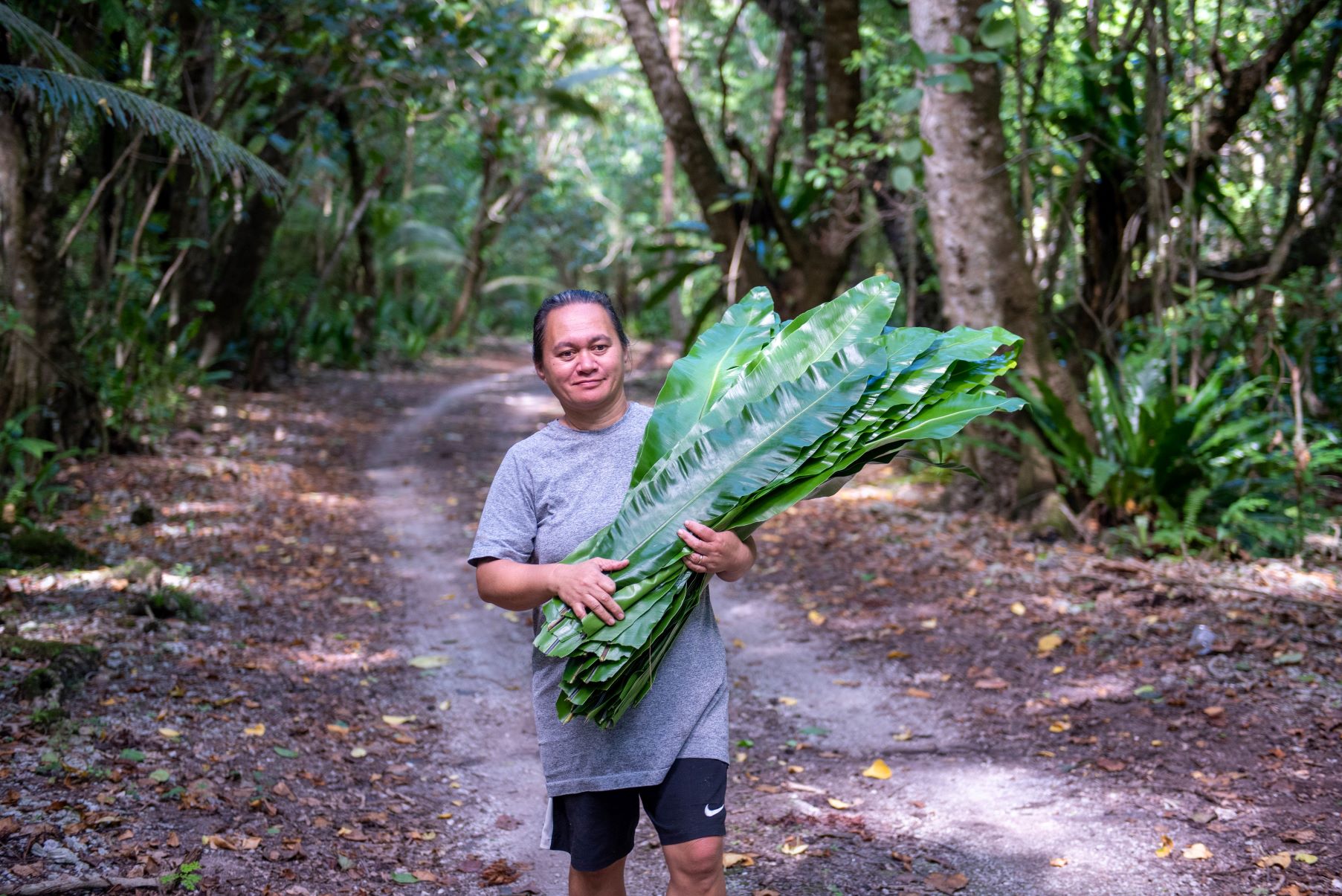
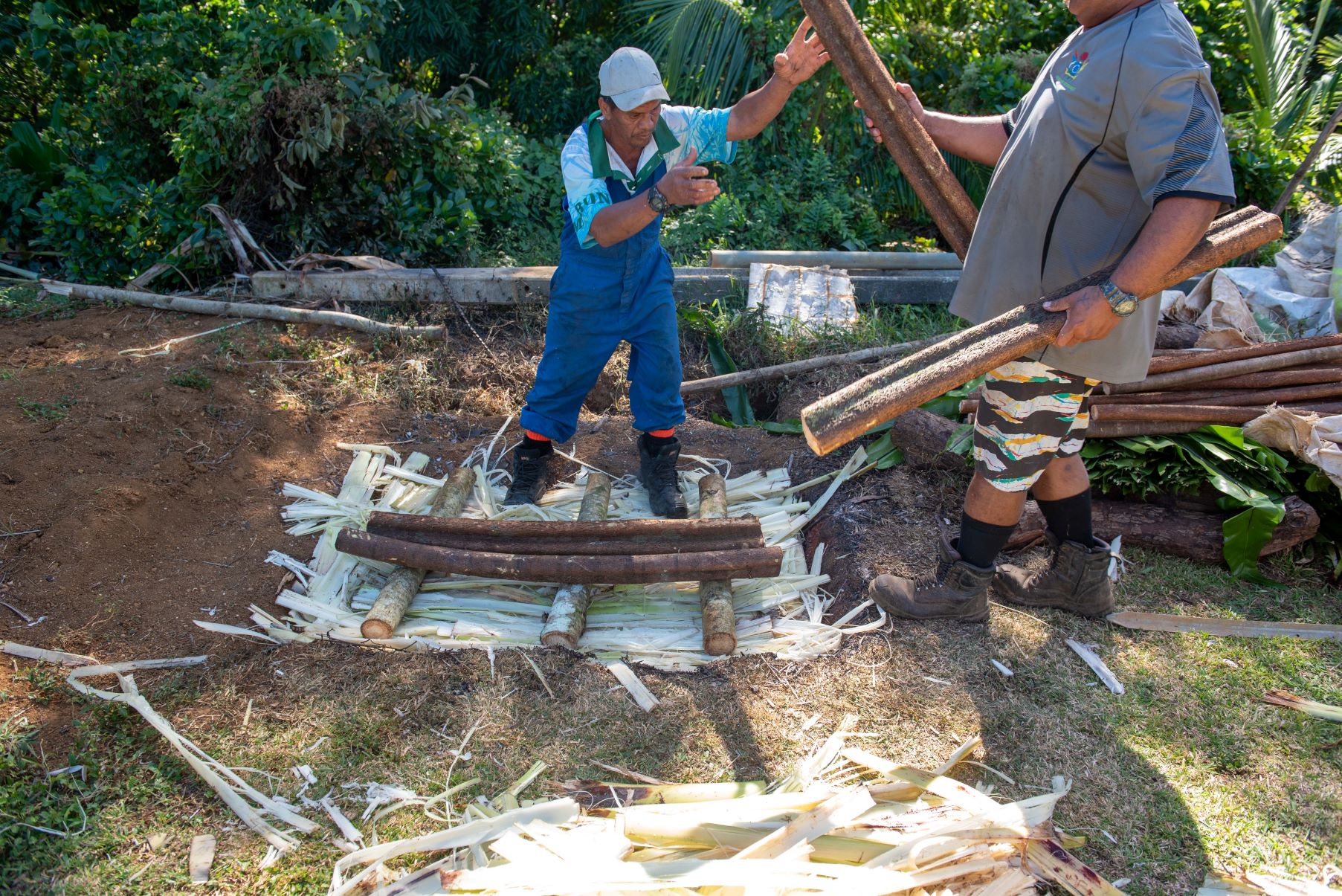
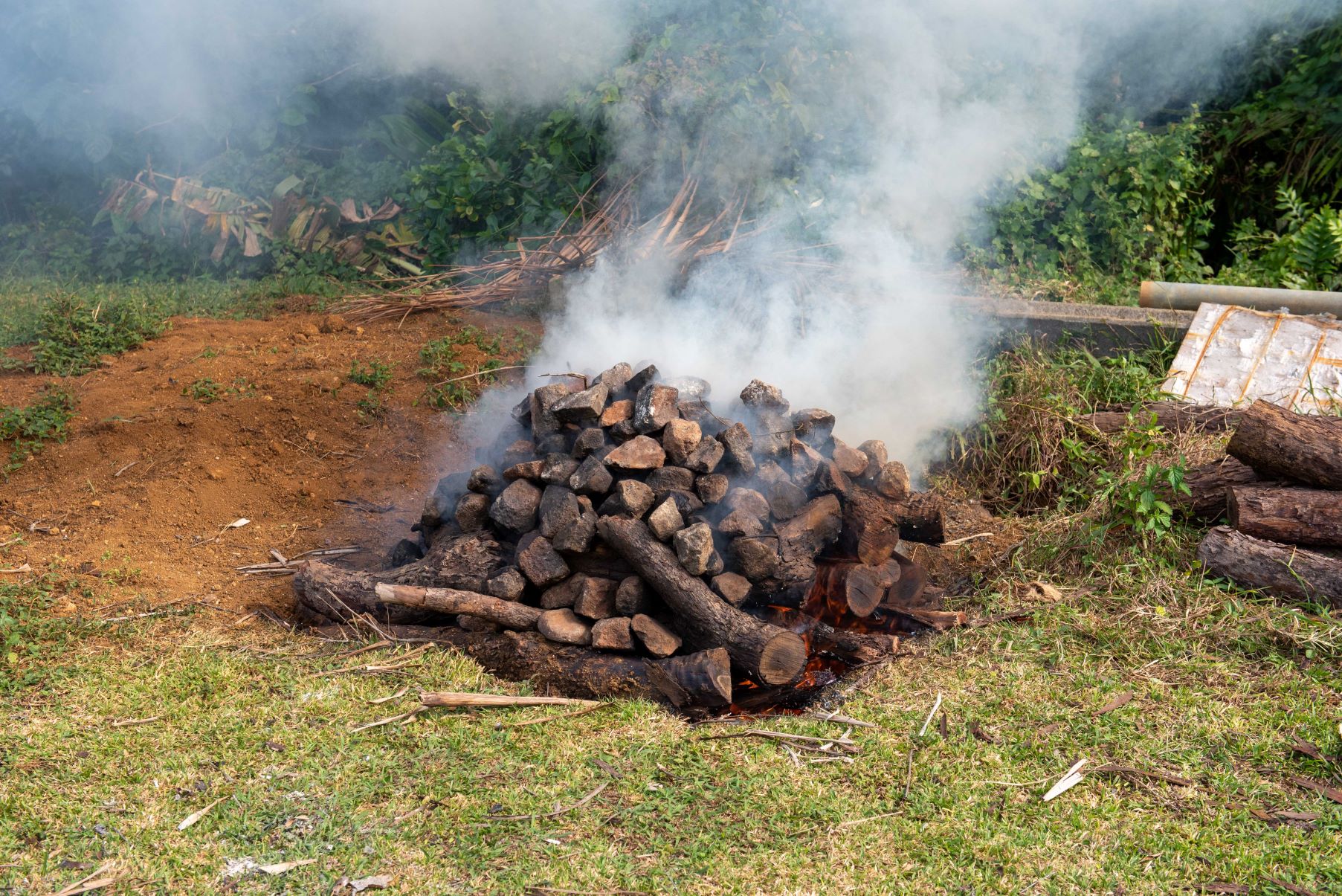
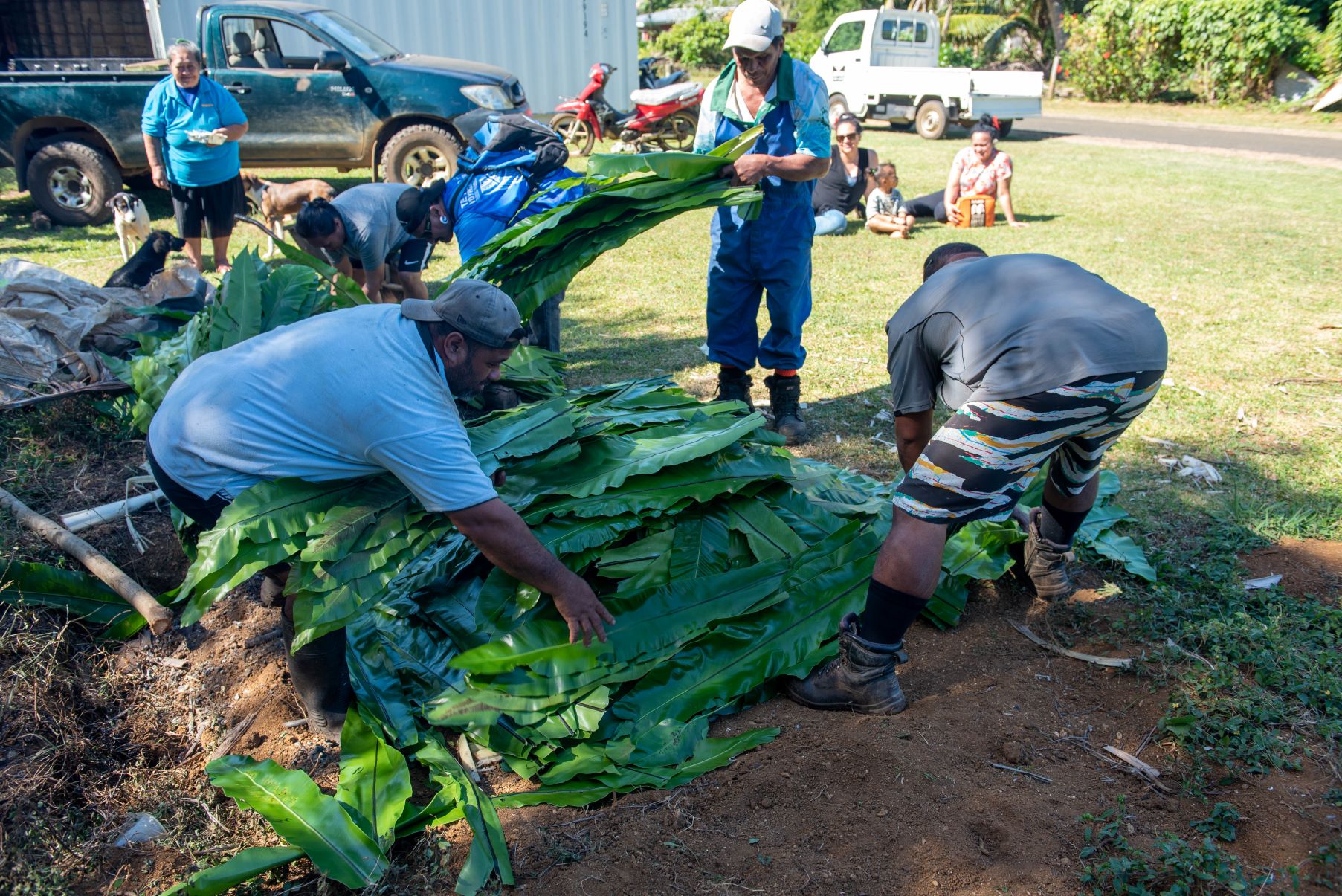
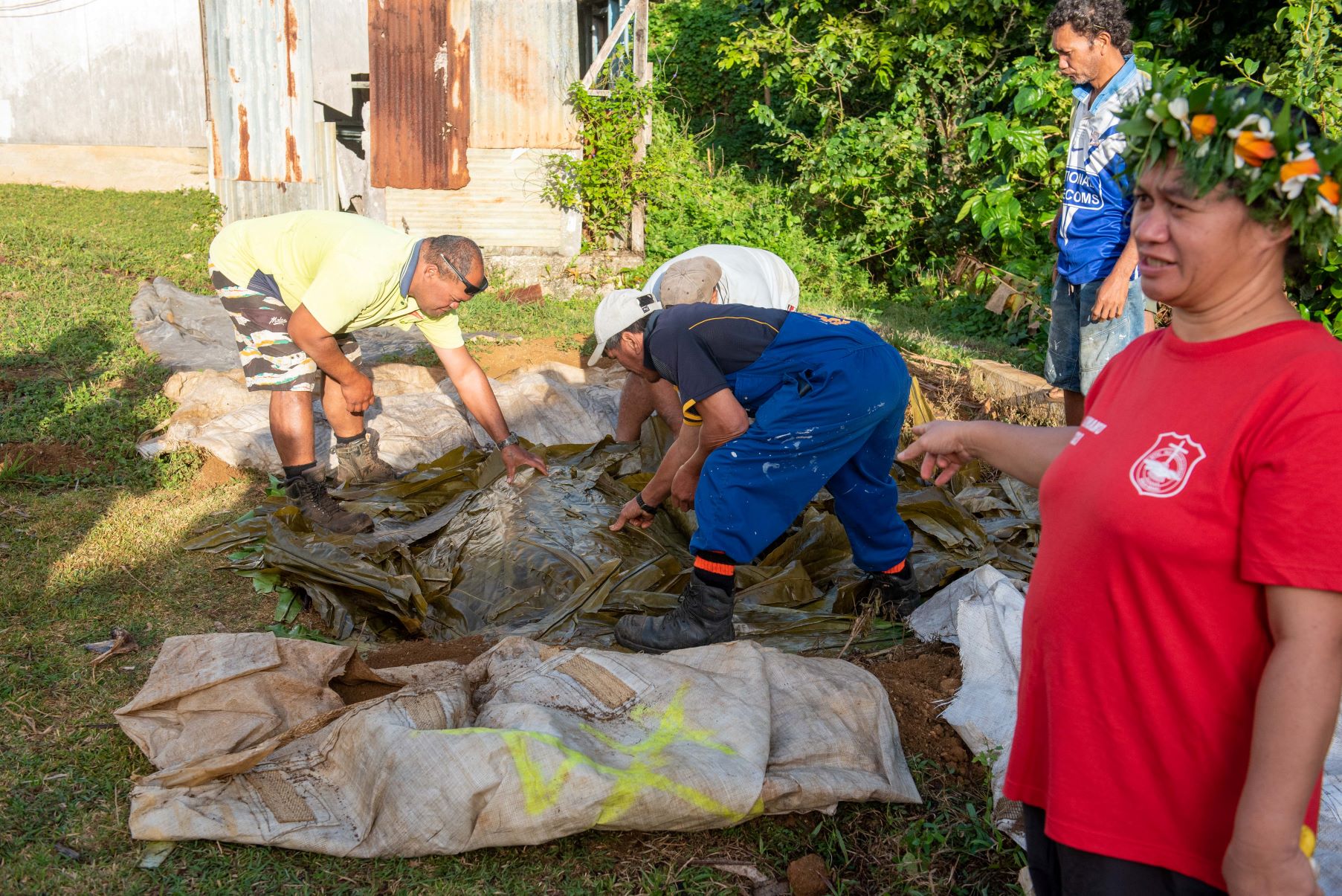
We then made our way to a more costal location, to an area called ‘Vai Mokora’ to harvest kōta’a known as nest fern Asplenium australasicum. The large leaves are used to cover the umu a traditional underground oven. We returned to Te Ngatangi village at the village hall Taturoa Nui Te Puta Marama “Bright and Clever” where a umu was prepared from the morning. To prevent the burning of the inner bark of the ava, the harvested roots are cut into specific lengths and are placed ontop of a wooden rack with layers of sliced banana tree trunk. The umu is finally covered with the kōta’a leaves and other old materials such as old tarpaulin and potatoe sacks. We noted also that the umu preparation was carried out by the men only in the village.
Kua aere atu matou ki te tua ta’atai ki te ngai e ava ia ana ko Vai Mokora i te ‘aki’aki kōta’a. Kua riro atu teia au rau atupaka no te tapuki atu i te umu. Kua oki atu matou ki te oire Te Ngatangi ki to ratou are ‘akaputuputu’anga koia oki ko Taturoa Nui I Te Puta Marama, i reira kua te’ate’amamao ke ia ana te umu i te popongi. Kia kore te ava e pakapaka, kua tuku iatu tei reira na runga i te tapa’anga rakau tei ariki ia ki te piere meika e kua tapoki ia te umu ki te rau kōta’a e te au āriki taito mei te tapoki paruru e te kou pitete. Kua riro teia au rare na te tāne.

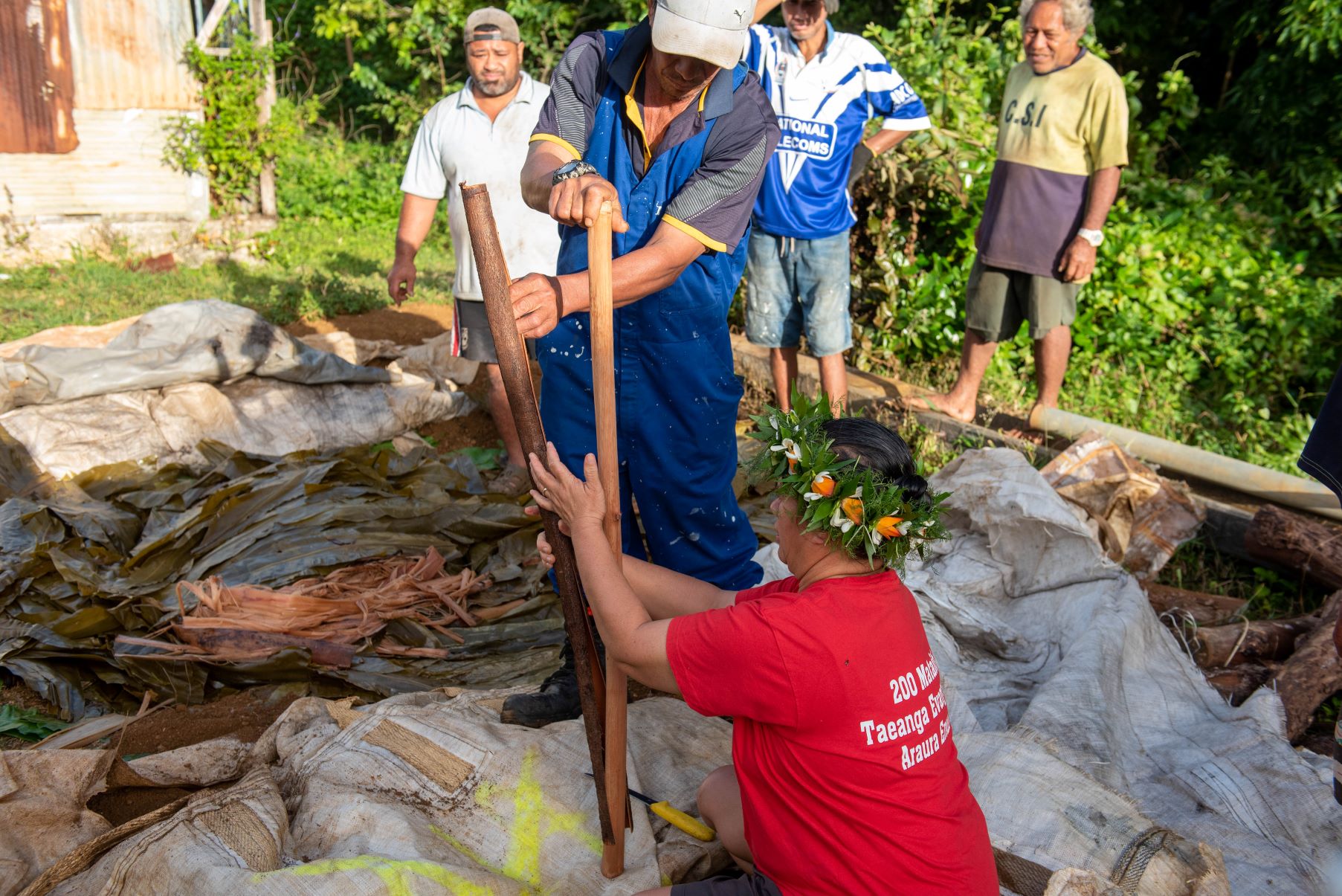
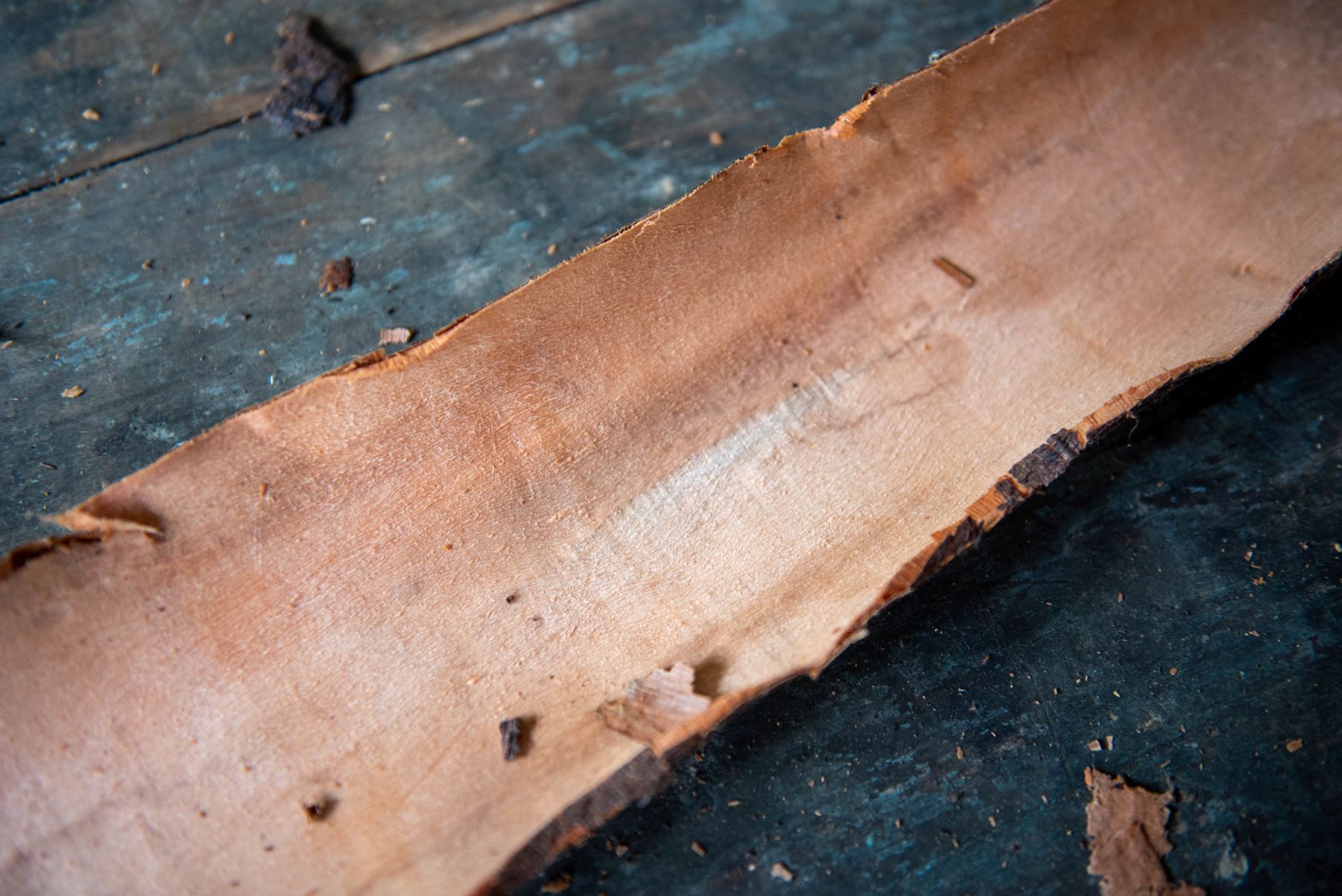
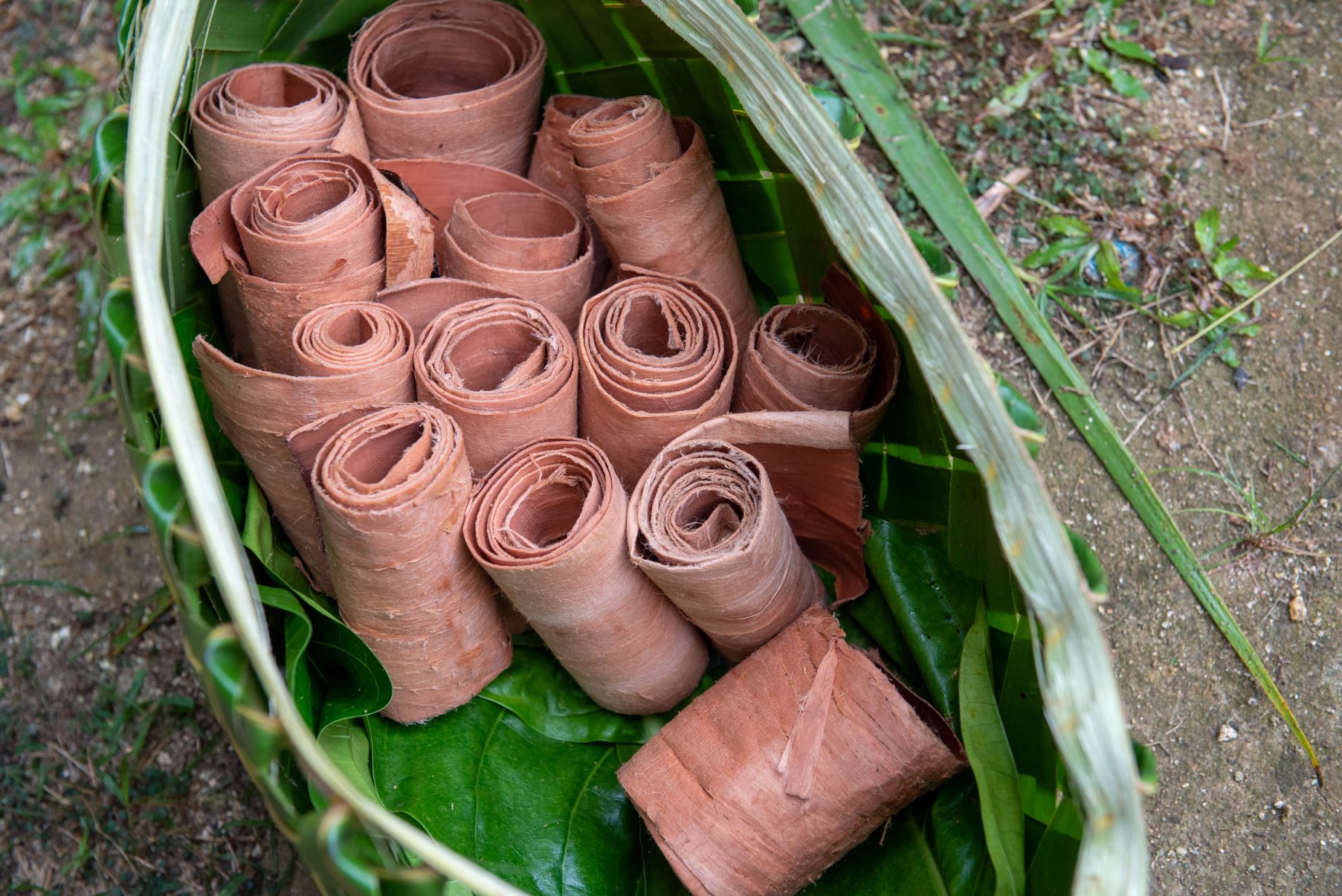
The umu is unearthed the following day after at least twelve hours. The outer bark is separated from the inner bark by making a cut along the length of the harvested banyan root deep enough to the wood, then the bark is separated from the wood. A second cut is made transversely about five centimeters from the edge and the outer bask and is separated from the inner bark by pulling the outer bark along it’s length and simultaneously applying counter resistance to the inner bark. The inner bark is rolled and put into a woven basket. Traditionally this is taken to a nearby river to wash away the paru (sap).
Kua uki’ia te umu i te tai ao mai ra i muri ake mei tetai ta’ingauru ma rua ora e kua ‘akaātea ia mai te pakiri raku no runga mai i te raku na te tupai anga i te roa o te rakau, ki te ōonuanga ki te rakau. Te rua o te tupai kua rave ia tei reira ki te openga o te pakiri mei tetai rima centimeters (vaito) no te ope mai, e kua kōae ia te pakiri o vao no te pae mai i te pakiri o roto. Kua rora iatu teia pakiri ava e kua tuku iatu ki roto i te tapora. I te tuatu taito kua apai ia ana te au pakiri ki te kauvai no te tama i te paru.

Beating: Tutunga
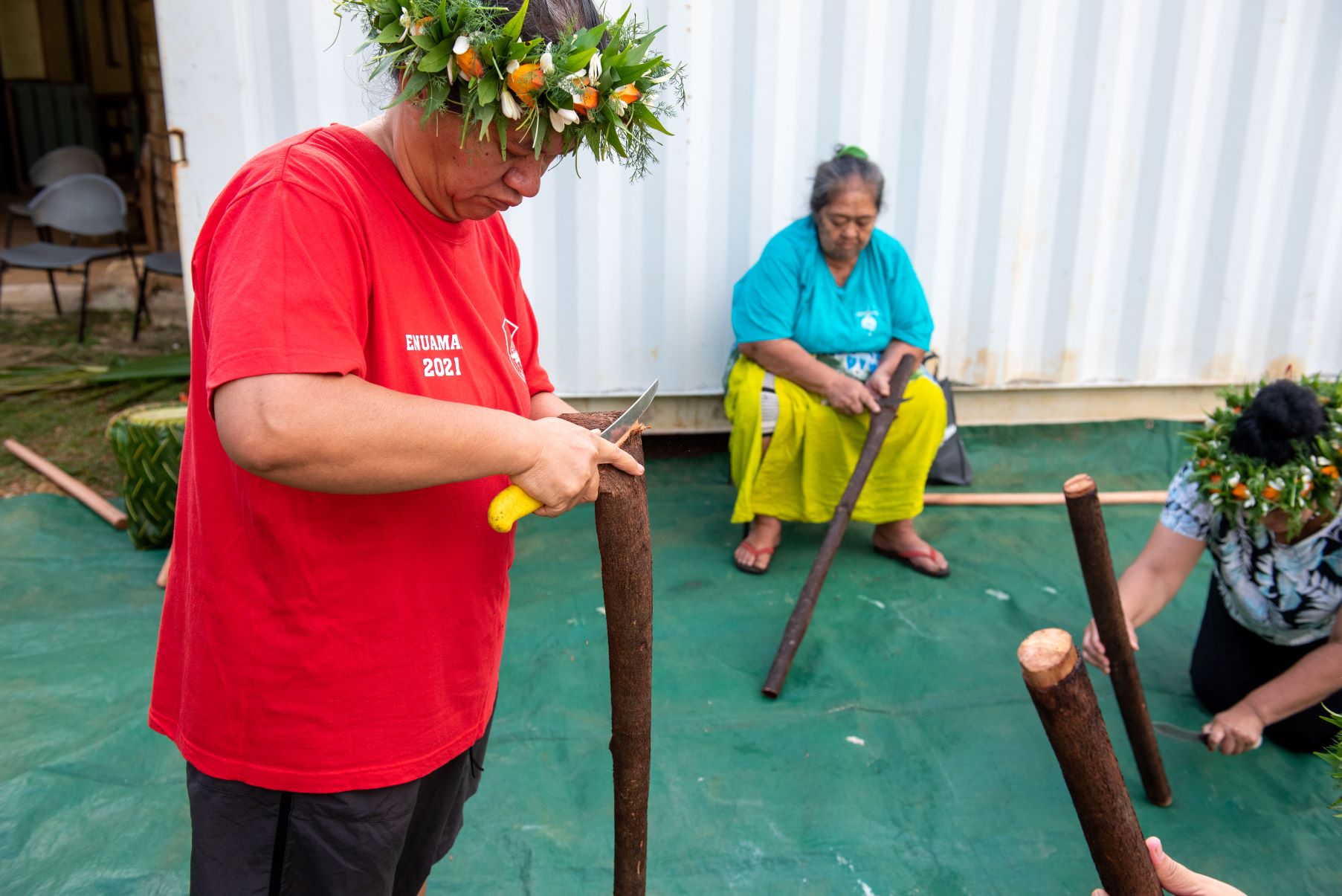
Before the beating process begins, we are taken through the protocols of the tutunga (beating process and also the anvil). It’s important to note that for every significant time in the process, it was important to give thanks to our heavenly father for his blessing upon all things concerning anga making. Nani usually leads us all in prayer. The beating of the anga firstly, these are strictly for women only with further restrictions placed upon them. A leader is also appointed who will be in charge to ensure the protocols are followed and the work gets done in a timely manner. The leader is also in charge of directing when to stop, rest, eat or finish for the day. The zone around the tutunga (anvil) is strictly for women only, eating is not permitted around the tutunga nor is walking across the tutunga or going on top or sitting on the tutunga. Secondly, the tools of the tutunga. The tutunga is made from kauariki commonly known as the tropical almond Terminalia catappa, the ‘ike (beater) usually personally owned by each woman is made from toa the Pacific Ironwood Casuarina equisetifolia.
I mua ake ka ‘akamata ae te tutuanga, e pure ia ana no te ‘akameitaki’anga i te ava tei rauka mai, e te akatapu i te rare te ka tupu. Na Nani e rave ana tei reira. Kua akakite ia mai te au ‘akaaereanga e te au ture o te tutuanga. E vaine ua te no’o ana ki runga i te tutunga, e e ture kēke aere atu to ratou. E ‘akano’o ia ana rae tetai vaine ‘akaaere, e na ana e arataki ana i te pā vaine i te tuatau tutuanga. Tei a ia te mana e ‘akatau ana i te tuatau e ‘akamata, ‘akangaroi, kai manga e te ‘akaoti no tei reira ra, no te mea, kare e kai ia ana ki runga i te tutunga. Kare katoa e ‘akatika ia ana kia takai uatu te tane na te pae i te tutunga, kare katoa e ‘akatika ia ana te takai na runga i te tutunga. Ko te mea rua, ko te au pakau e ‘akarare ia ana i te tuatau tutuanga. Ko te tutunga e amani ia ana teia ki te rakau kauariki, ko te ‘ike, e pakau teia na te au vaine, na ratou rai e apai mai ana teia, e amani ia ana teia ki te rakau toa.
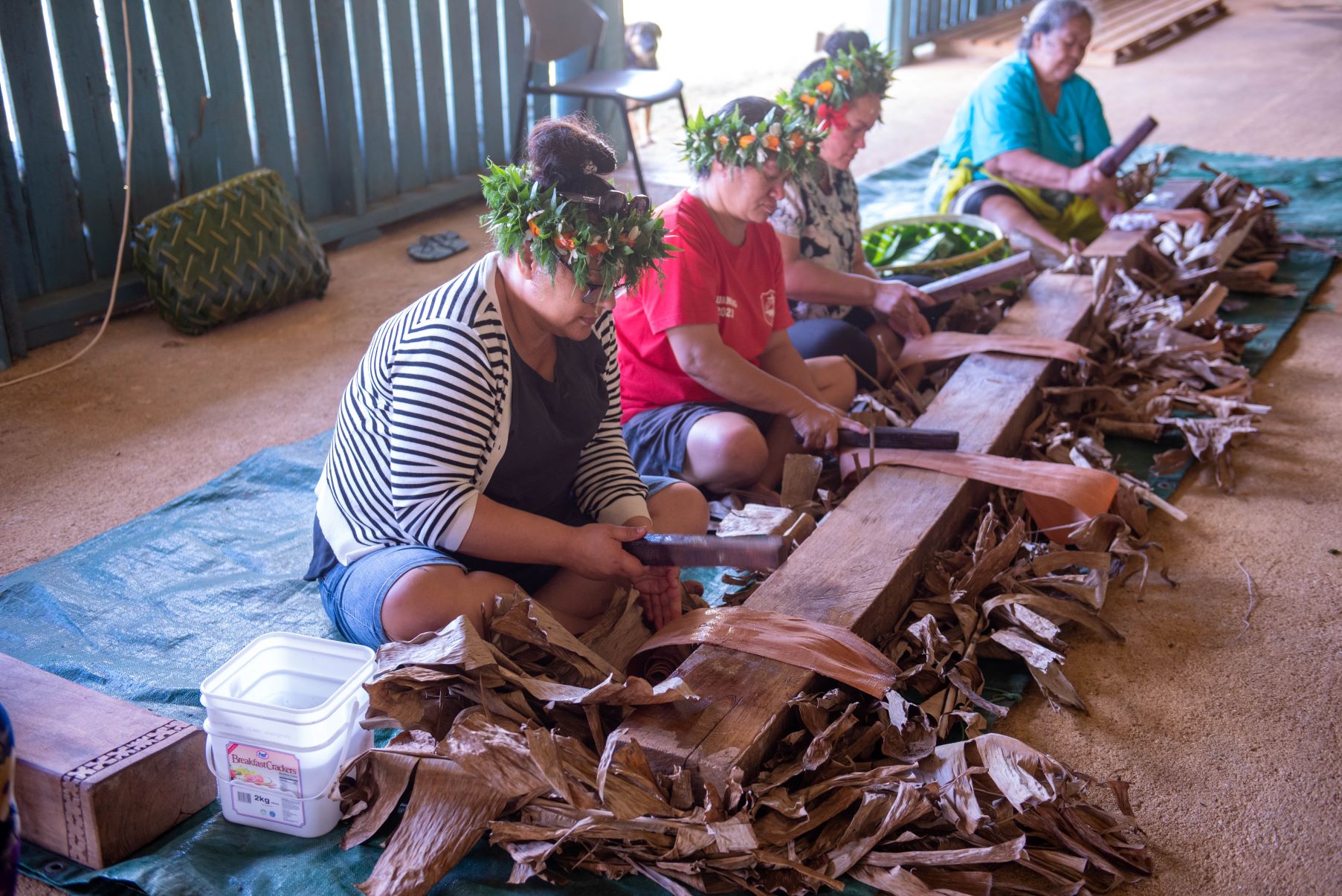
The beating begins with the side of the ike where the parallel grooves are the furtherest apart, working its way to the narrowest then to the flat side with no grooves. During the beating chants can be heard to keep the rhythm of the beating consistent as well as offer entertainment and motivation for the women. “Tauono” well known to Atiu women is about the process of cleaning the anga by Rona.
Kua ‘akamata te tutuanga ki te tua rarai o te ‘ike, e rare uatu ki te tua unga o te ‘ike. E tauono ta te au vaine i te ‘akaaere ia ratou, e pera katoa ei tamataora e kia aruaru ia ratou. Ko teia te tauono a te vaine Atiu.
Tauono:
Eke i tero, Eke i tero
Nekeneke ake ki te rua o te kopua
Kua rari a mua i te paru
Tangaroa i te titi, Tangaroa i te tata
E tangata i te utiuti
Koiro pinepine
E Rona ‘ou, E Rona ‘ou
Te Piko ra a Rona ki raro, ongia to rue
Te pipi ra tona ueue ki te vai
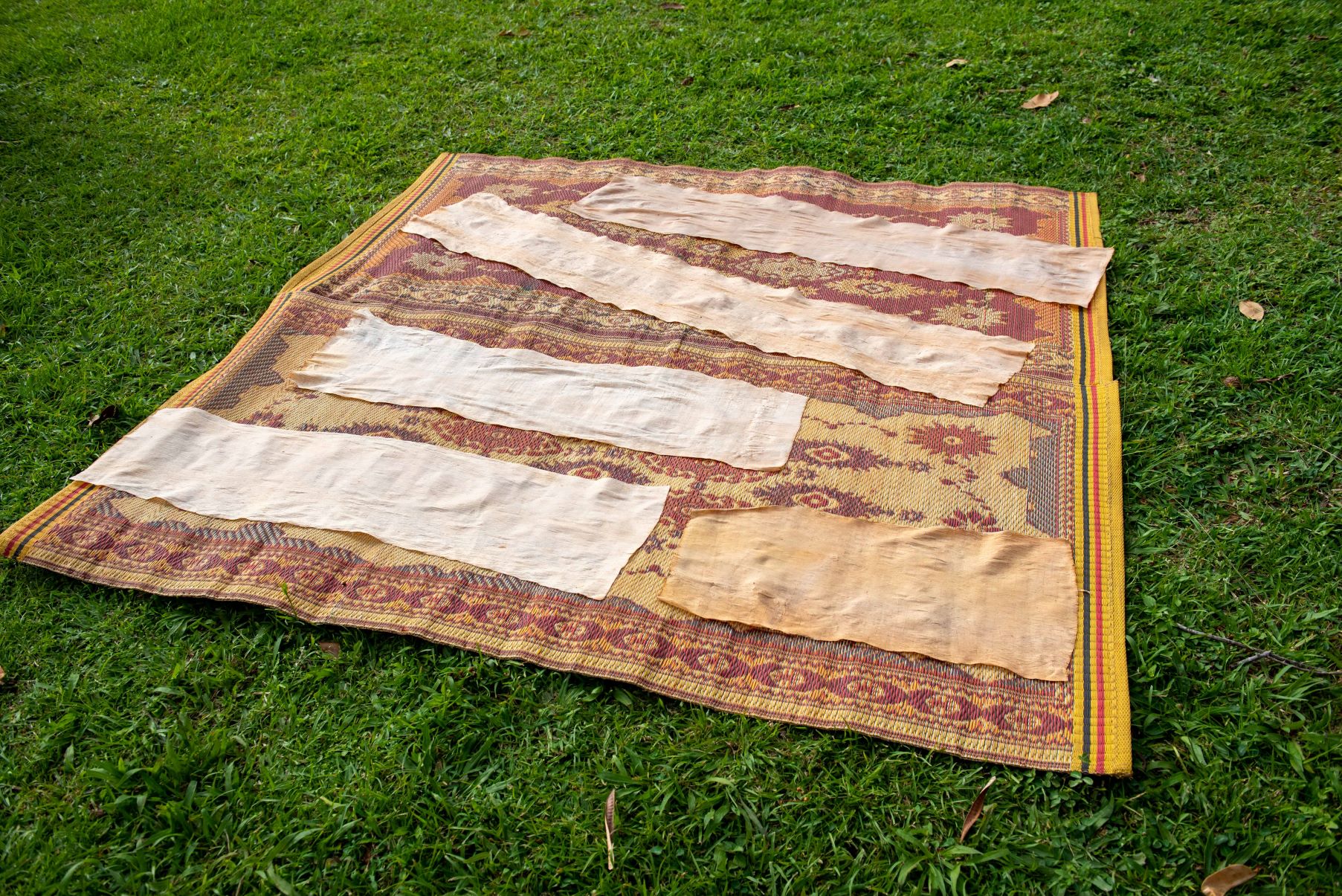
Once the ava is adequately beaten, the leader checks the quality, and if approved then the ava is placed in the sun. The Atiuan people believe that if the protocols are not followed during any preparation, this will show as defects on the anga. The completed anga is then given to an allocated specialist to create the investiture garment for the Chief.
Me oti te ava i te tutu, na te ‘akaaere e ‘akatau ana i te tu o teia au anga i mua ake ka tauraki ia aia ki roto i te rā. E irinaki ana te ititangata Atiu e me kare te au ture o te āmani anga e aru ia ana, ka riro mai teia ei kino ki runga i te anga. E ōake ia ana te anga ki te taunga amani ana te kakau ‘akamarokura o te ariki.
Tapa/’Ahu of Tahiti – July 2023
“ Travelling to Raiatea and walking onto Taputapuatea marae is the mosts spiritual experiences I’ve ever had, I’ve never felt so close to my ancestors “ – Tepaeru-Ariki French.
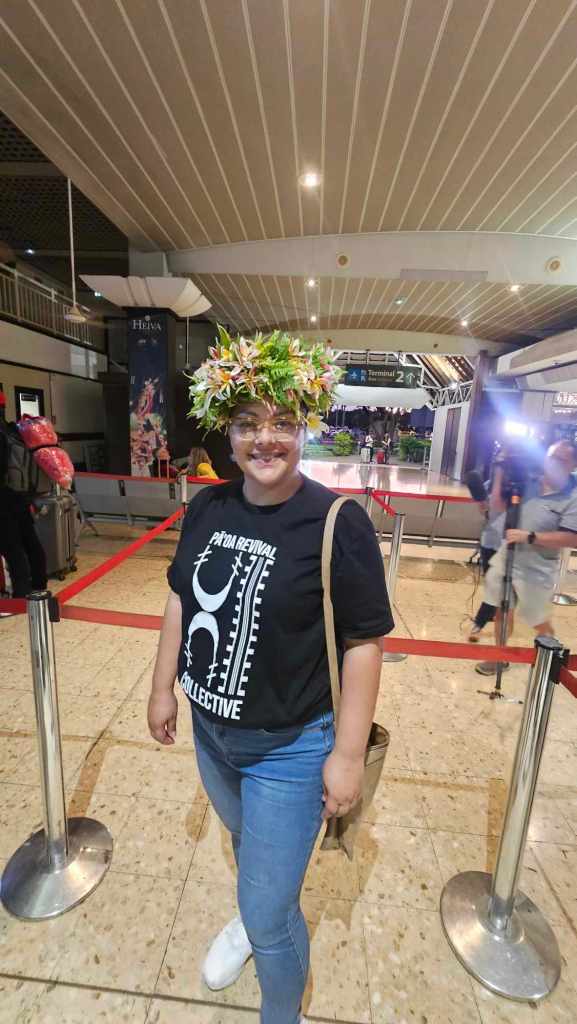
In July 2023, Tepaeru-Ariki (Lulu) travelled to Tahiti along with her family to learn from Hinatea and Moe of the ‘Arioi Cultural Centre the art of Tahitian tapa which is also known as ‘ahu.
I roto i te marama Tiurai i te mataiti 2023, kua teretere atu a Tepaeru-Ariki e tona metua vaine, e tonga ngutuare tangata ki Tahiti i te kimi kite no te au rare’anga o te ‘ahu koia oki ko te tapa o Tahiti. Kua api’i iatu a ia e Hinatea e Moe o te ‘Arioi Cultural Centre.
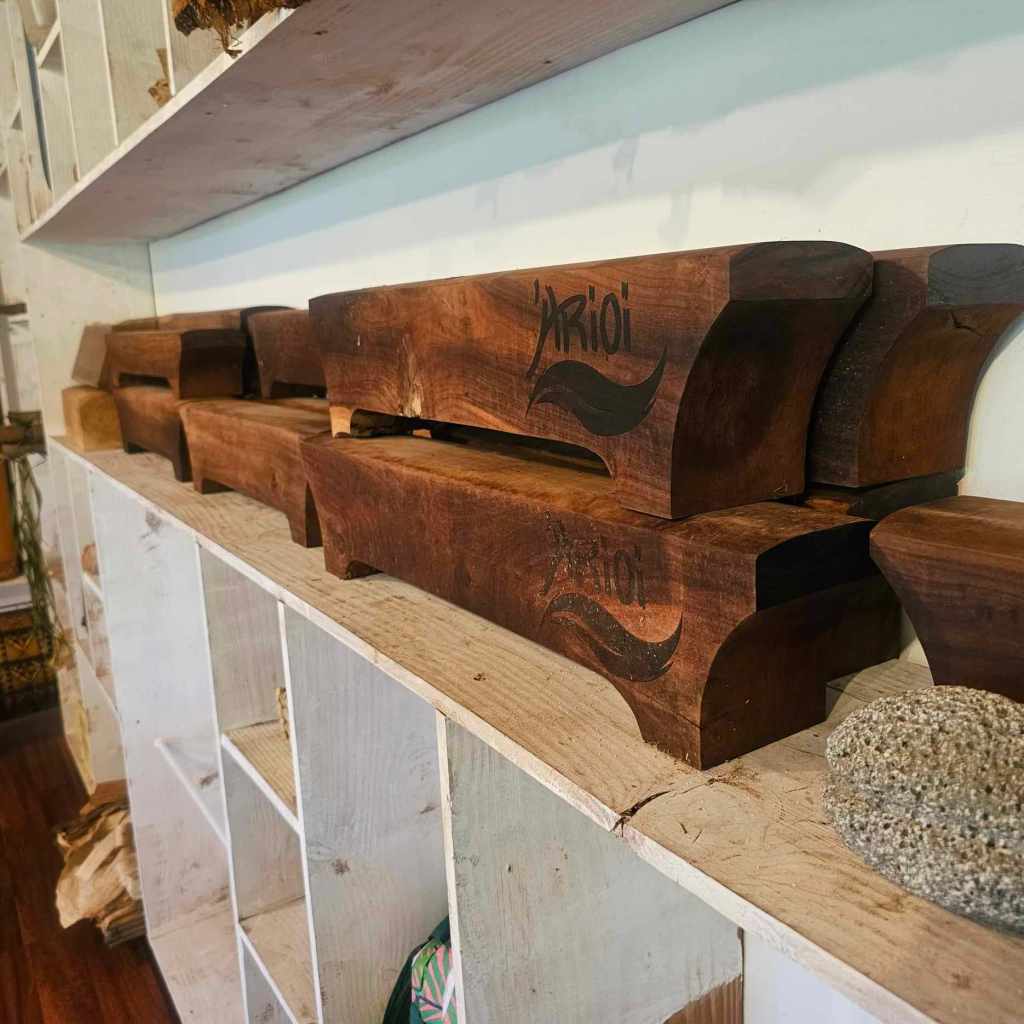
Our learning started as many Polynesian learning starts, through korero (conversations). We heard about Tahiti’s own revival journey and we were able to examine closely the different fibres of the different cloths made from the aute (Brossinetia papyrifera), uru (kuru (Aitutakian), Breadfruit, Artocarpus altilis), mati (dye tree, Ficus tinctoria) and ora (ava (Aitutakian) Pacific banyan, Ficus prolixa). We also examined the different natural dyes that are used on the barkcloths.
Mei te tuatau taito rae o te au api’i’anga Porinetia, kua ‘akamata teia vananga na roto i te korero. Kua ‘akarongo atu i te au ‘aka’ora’anga o te tapa Tahiti. Kua rauka atu ia matou i akatau matatio atu i te au tū pā’oa tei amani ia mai no roto i te aute, te kuru, te mati e te ava. Kua ‘akatau katoa atu matou i te au tu tākara natura tei rave ia ana no te kakau pakiri rakau.


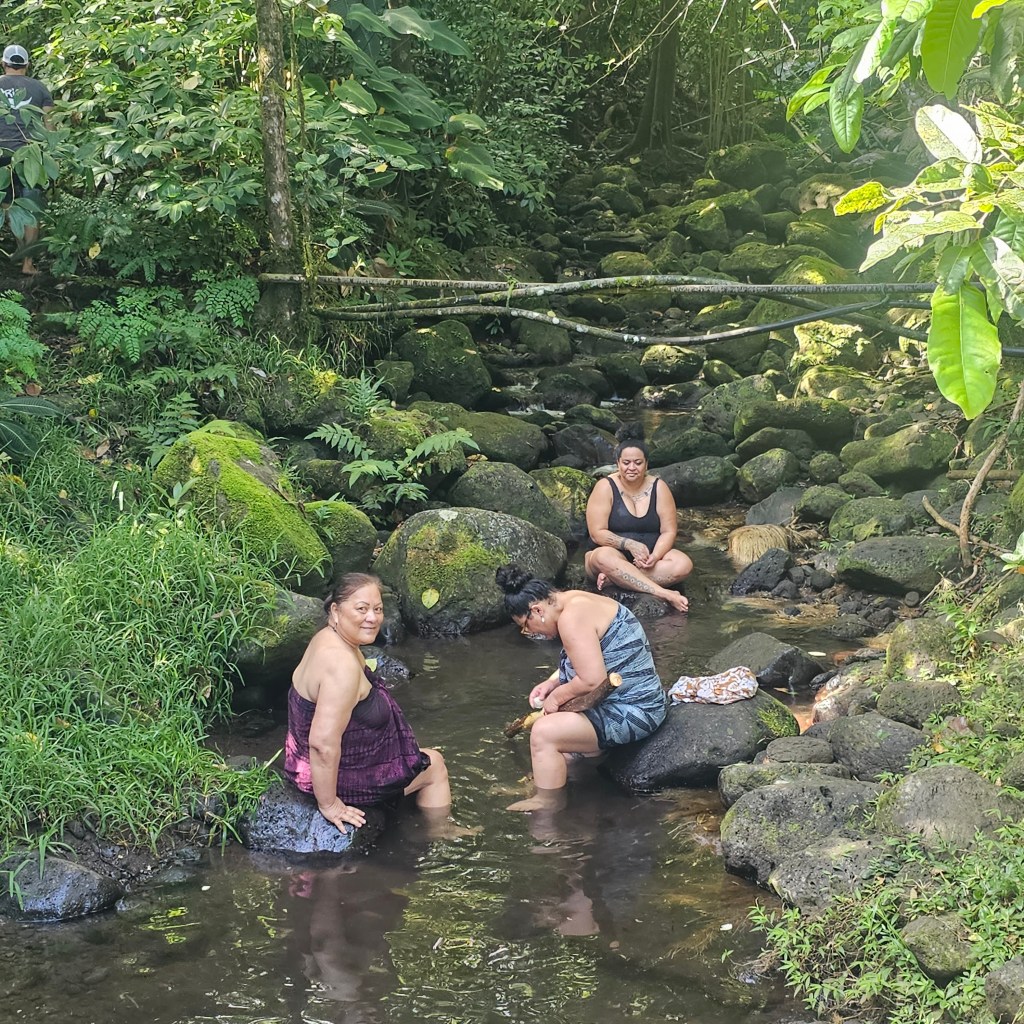
We made our way into the nearby stream and we started the process of removing the outer bask by using a clam shell. Here we are in Fa’a te Orooro stream located in Opiriroa Valley in Paparā.
Kua aere atu matou ki roto i te kauvai tei ava ia na ko te Fa’a te Ororo i roto i te ngangaaere o Opiriroa i Paparā. E anga ka’i tei ‘akarare iatu i te rakuraku i te pakiri o vā’o ake i te rakau.
A cut is then made along it’s length and the inner bask is separated from the wood.
Kua tipu rōa iatu te pakiri o roto e kua ’aka’atea iatu teia no te pae mai i te rakau.
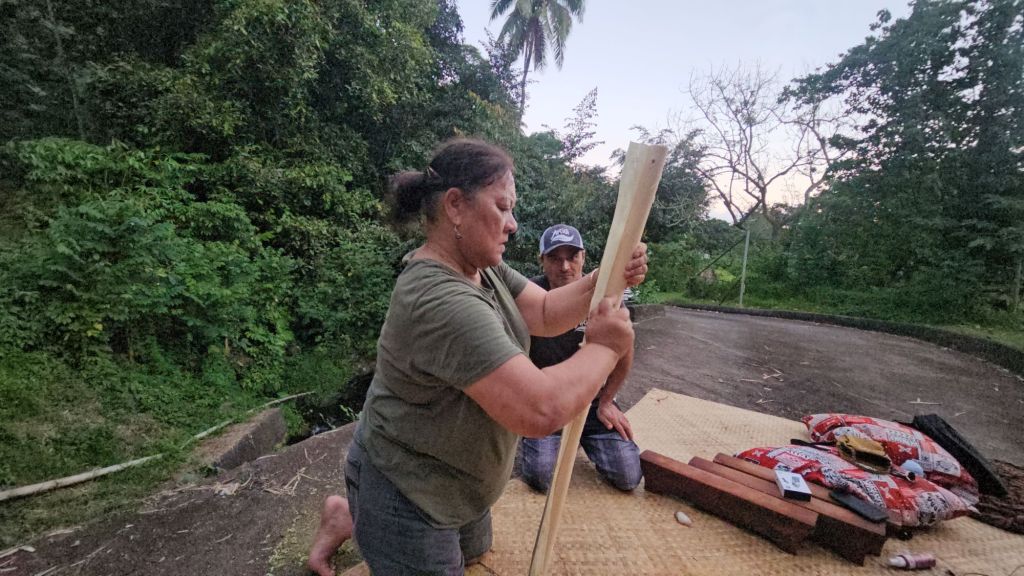
This is the same process for all four of the pieces of potential barkcloth.
Ko teia tei rave’ia ana no te au tū rakau katoatoa.
It is common for Tahitian women to carry out this process in or nearby streams. Water is vital in removing the sap. The beating can also be done on the rocks in the river as the water helps to soften the fibres and separate the fibres making it easier for beating.
E mea matau ia rai na te au vaine o Tahiti i te rare atu i teia au rave’anga ki te pae i te kauvai. E rare puapinga ta te vai, i te tama atu i te au tāpou o te pakiri rakau. E tutu ‘ia ana rai ki te pae kauvai i runga ake i te au poaki. Te rare a te vai, koia oki, ko te tamaruru anga i te pakiri rakau, e pera katoa i te o’ora’anga i te au rito o te pakiri kia mama te tutu’anga.
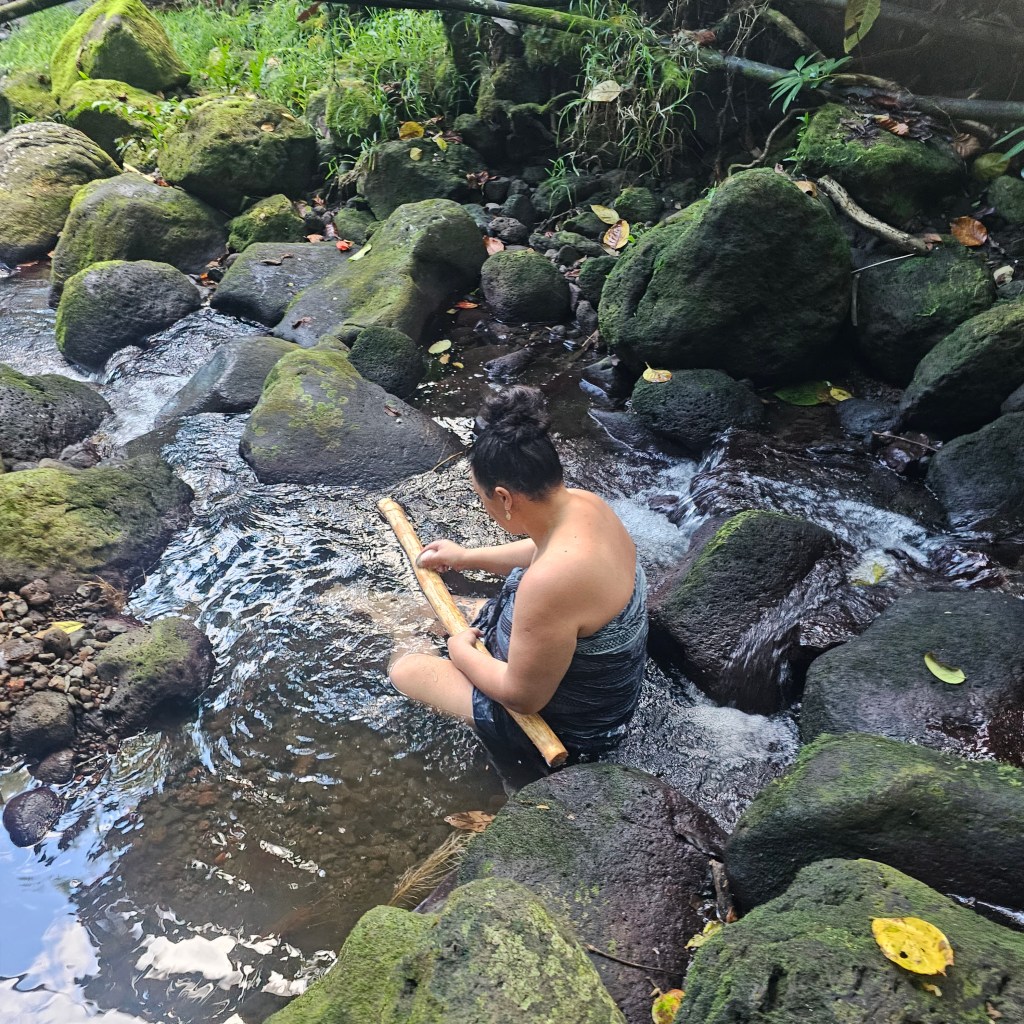
Tepaeru-Ariki and her mother Anna Elia, started the beating of the uru and the mati. This was followed by beating the ora and the aute. Over 4 days, all four barkcloths were beaten and dried.
Kua ‘akamata atu a Tepaeru-Ariki e tona metua vaine a Anna Elia i te tutu atu i te kuru e te mati. I muri ake kua tutu atu raua i te ava e te aute. Kua pou e ā ra i te tutu’anga e te tā māro e ā nga tū kakau pakiri rakau.
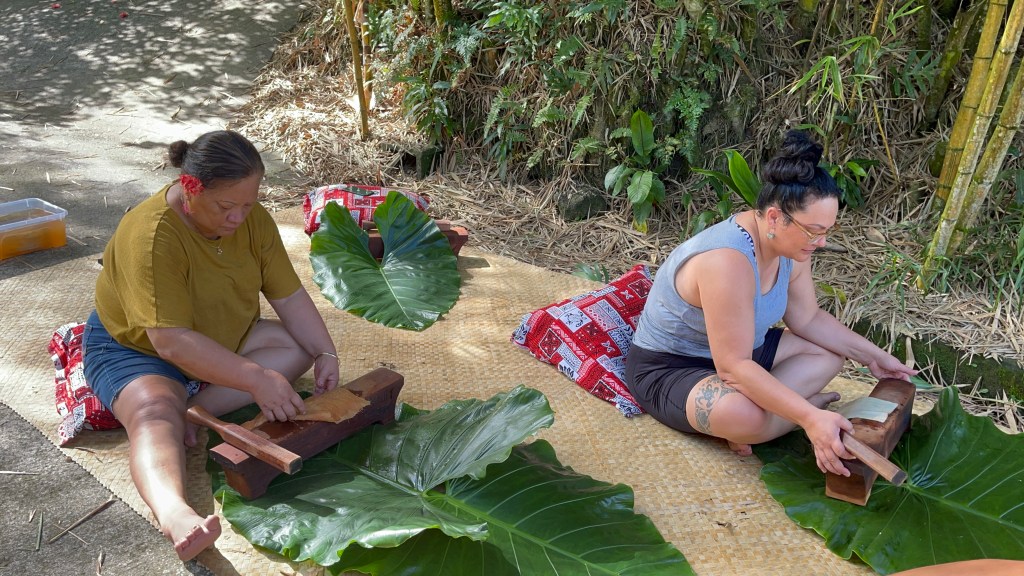
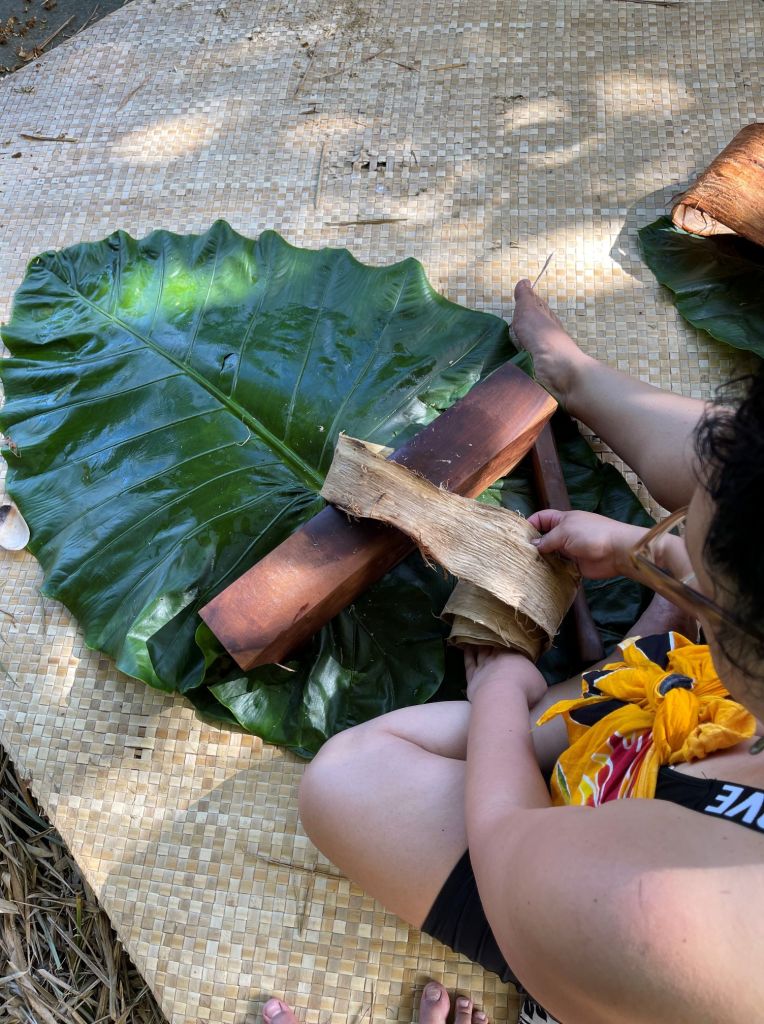
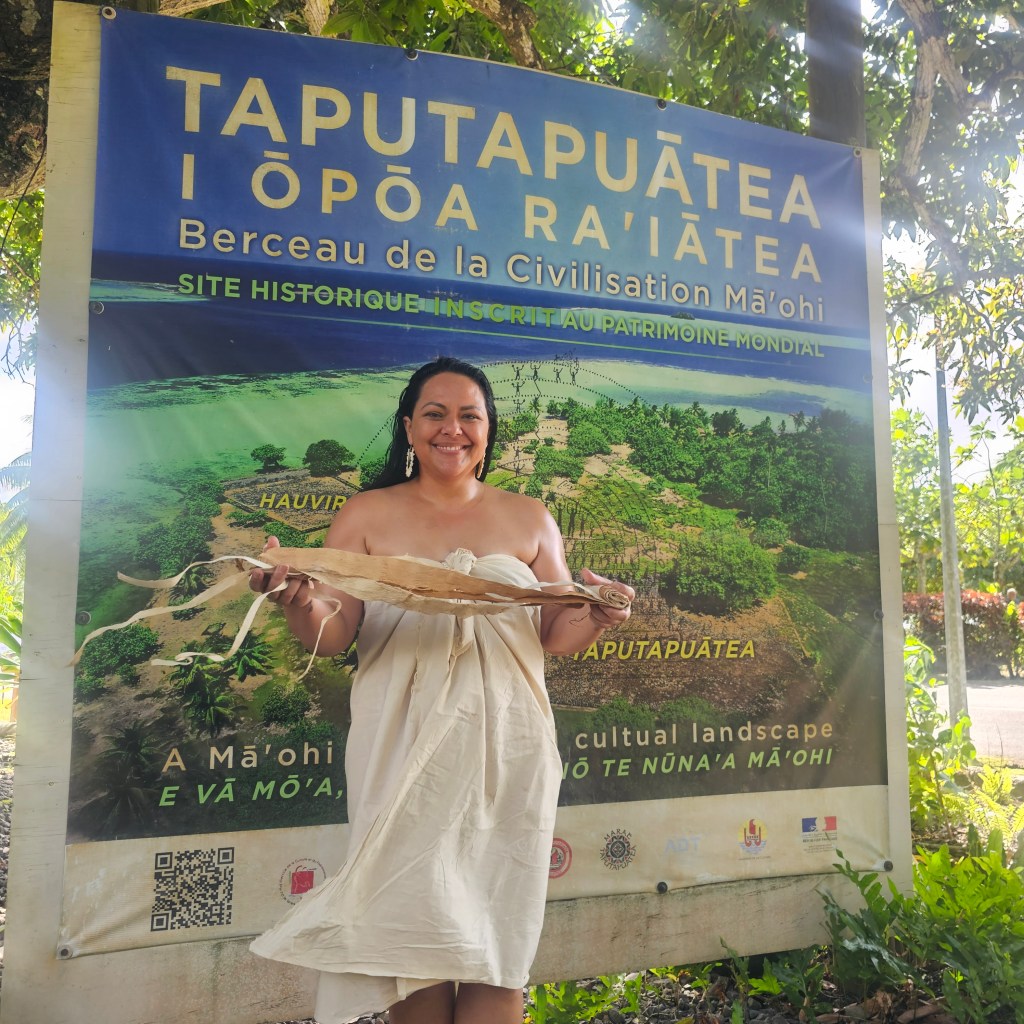
An important aspect of the Pā’oa revival in Tahiti was traveling to Taputapuatea marae on Raiatea. We are grateful to Hinatea for organising our trip with Jean Orator of Taputapuatea, and Papa Matora’i.
Ko tetai rare puapinga tei rave ia no te ‘akaora’anga i te pā’oa i Tahiti, koia oki ko te oki anga ki te Tauranga o te Porinetia, ko Taputapuatea marae i Raiatea. Te ‘aka’oki nei te akameitaki’anga kia Hinatea no tana tu’anga i te raverave’anga kia tae atu matou. Te ‘akameitaki katoa atu nei ia Jean Mere e papa Matora’i.
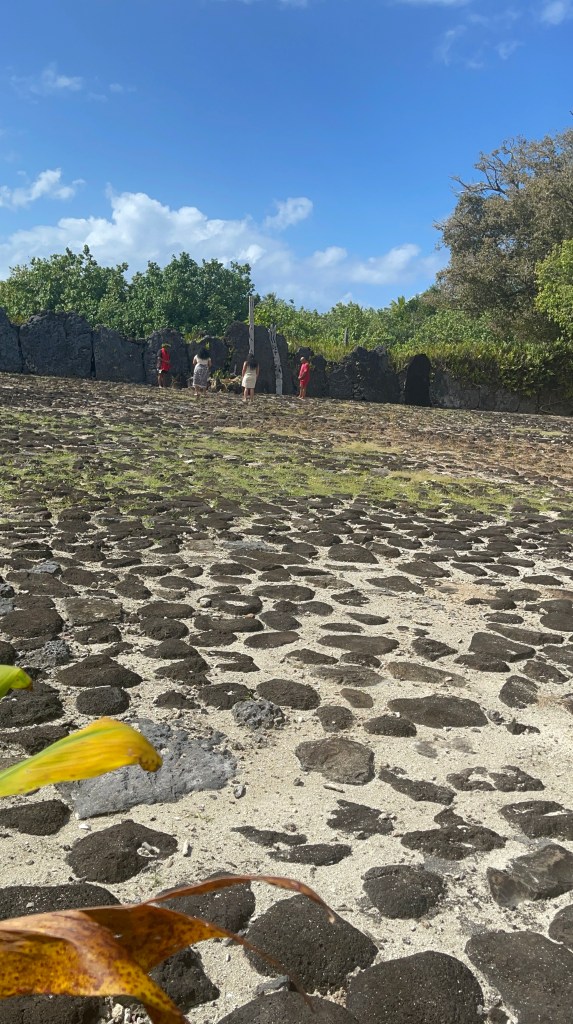
We walked onto the marae and gave up a piece from each of the newly created barkcloth as an offering and a symbol promise to our ancestors, founders of Aitutaki, that their descendants and children have come home and are dedicated to the revival of pā’oa.
I reira kua ōro’a iatu e ā potonga o te au kakau pakiri rakau tei amani ia ki te marae i taputo’u atu ki te au ui tupuna o Aitutaki, tei teretere mai no Tupua’i ki Taputapuatea, ta matou rare i te ‘aka’ora’anga i te pā’oa.
Museum Visits – United States of America (April 2024)
The Pāoa Revival Collective travelled to the United States of America to visit three of their most internationally distinguished museums that are caring for our treasures, our tāonga, the Aitutaki pā’oa. The American Museum of Natural History in New York City, The Smithsonian Museum of Natural History in Washington DC and The Field Museum in Chicago.
We are most grateful to Creative New Zealand for the grant we received that enabled us to travel to the United States of America.
Kua teretere atu te pupu ‘Akaoraanga Pā’oa ki Marike i te ātoro atu e toru o to ratou are taonga te ākono mai ra i ta tatou au pakau ‘akaperepere, te taonga o Aitutaki, koia oki ko te pā’oa. Ko te American Museum of Natural History i New York city, The Smithsonian Museum of Natural History i Washington DC e te Field Museum i Chicago.
Te ‘akameitaki e te ‘akangateitei nei matou ia Creative New Zealand no tei oranga mai i tetai tuanga aroa kia rauka atu ia matou i te teretere atu ki Marike.
American Museum of Natural History – New York City.
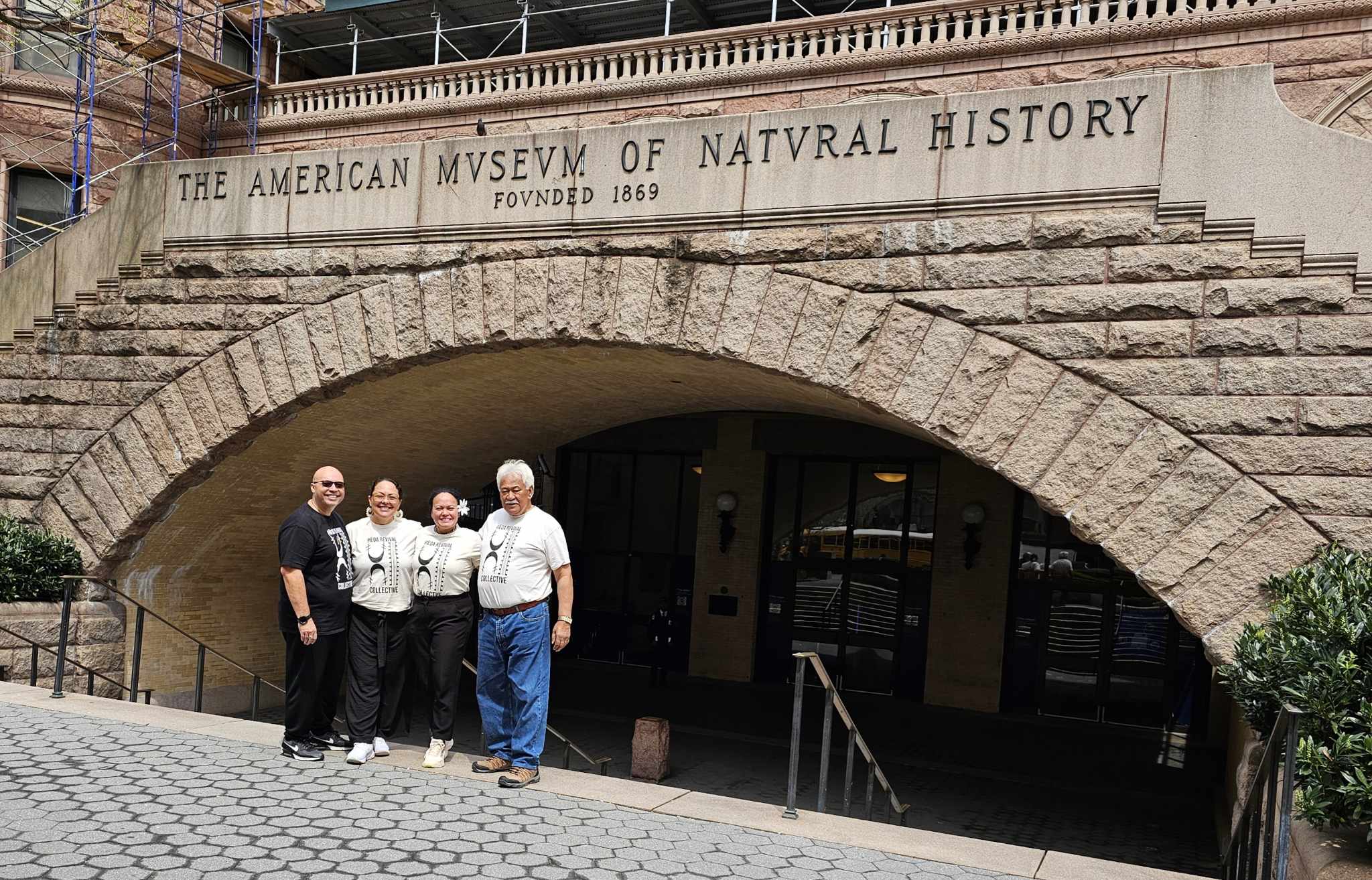
We travelled on the 13 of April 2024 from Auckland direct to New York City. We had prebooked appointments with the Asia/Pacific Collection manager to view pā’oa.
I te ra 13 o Apirira 2024 kua tere atu matou mei Tamaki Makaurau ki New York City. Kua oti takere atu ia matou i te ‘akatano atu i te tetai tuatau na roto atu i te i ‘akatere o te tu’anga ‘akaputunga o te pā enua Asia e te Pasifika kia ‘akatau atu mātou i te au pā’oa.
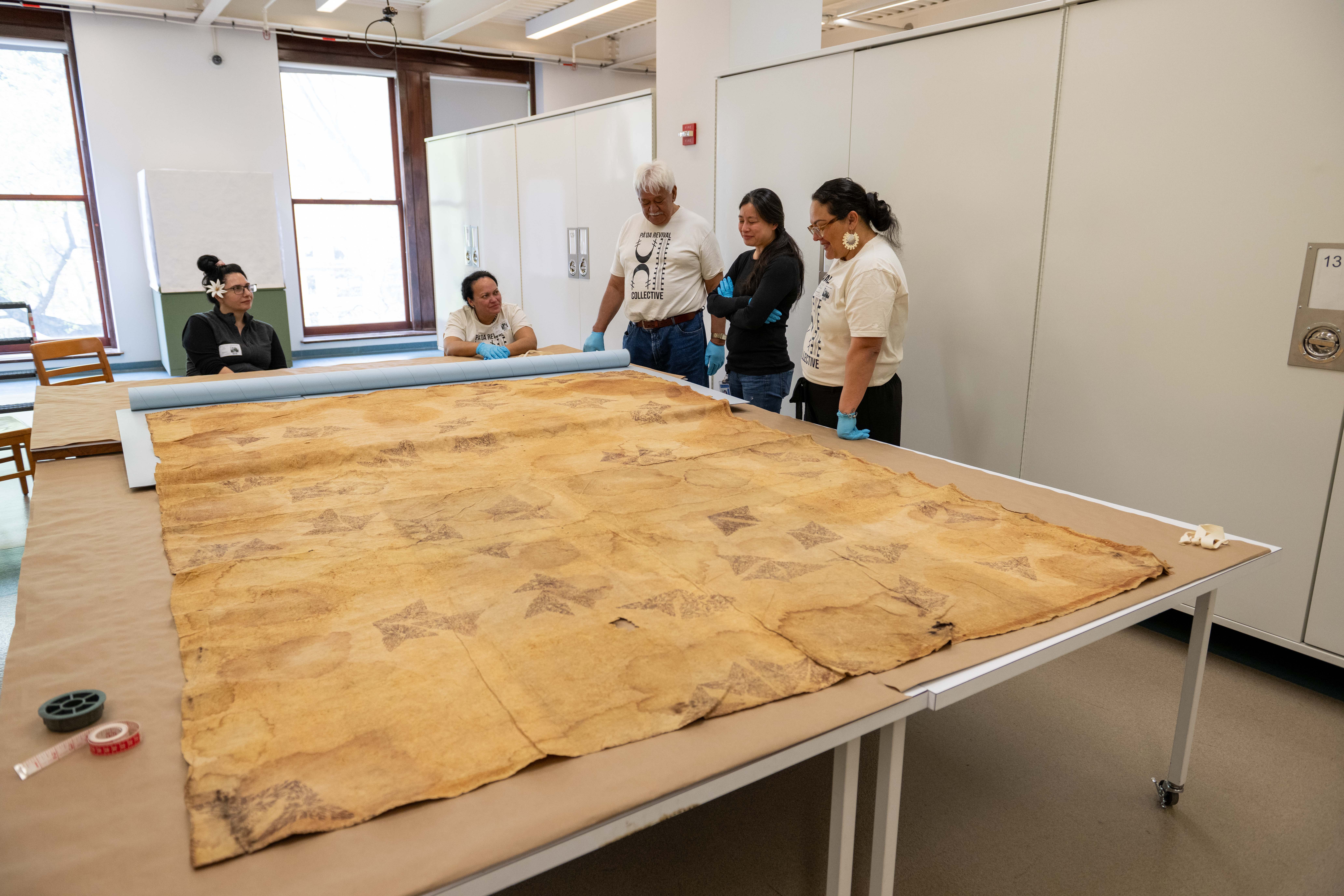
On our first appointment, we viewed the first piece. This was labelled as a morning dress.
Ko ta matou pā’oa mua ko tei kiriti ‘ia e ko te pona mate.
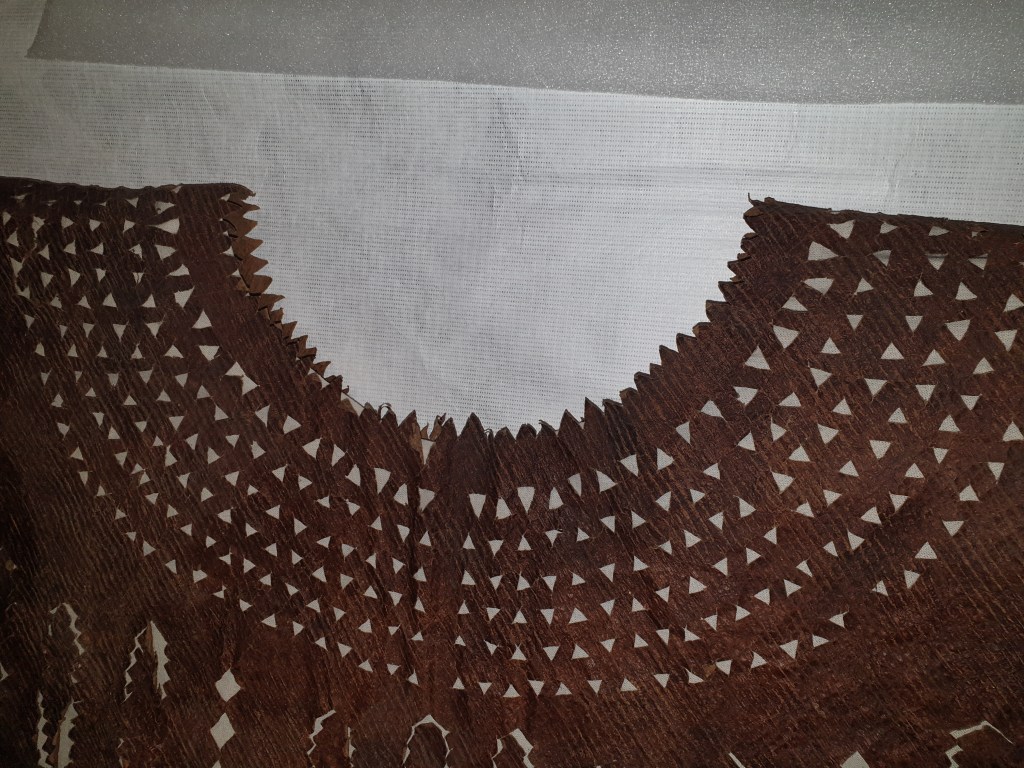
We were able to look at these closely and able to identify that the edges/fringes and around the collar are made with sharp cuts shaped into chevrons. The collar was also machine sewn together. The most unique future of the the tiputa was that there was a slit along the front neck line. We can assume this was to ensure that the head could go into the tiputa with ease.
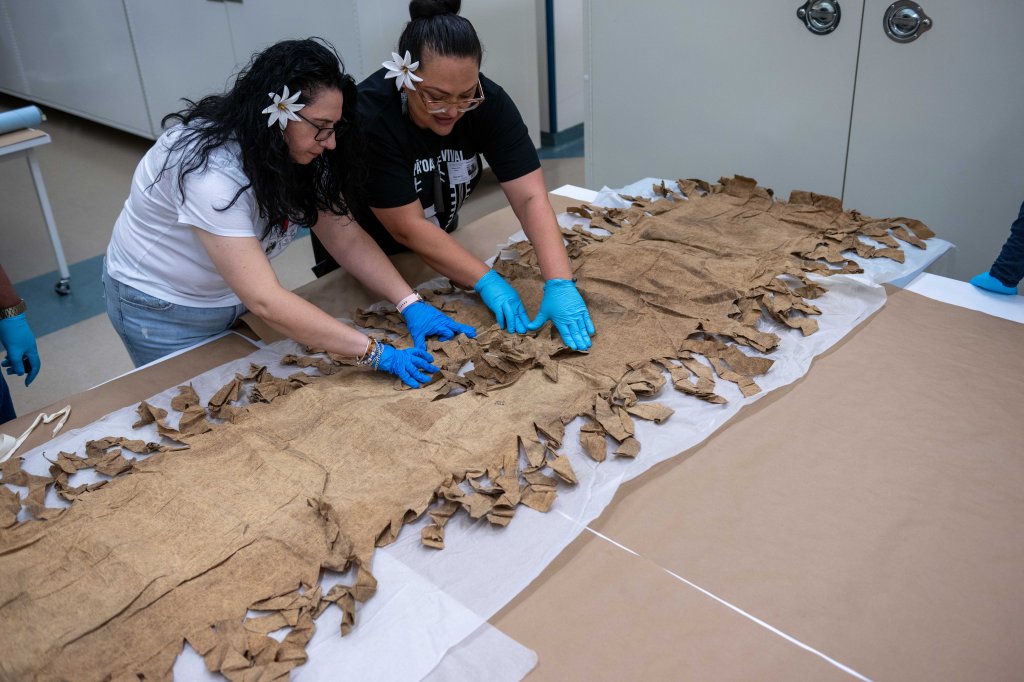
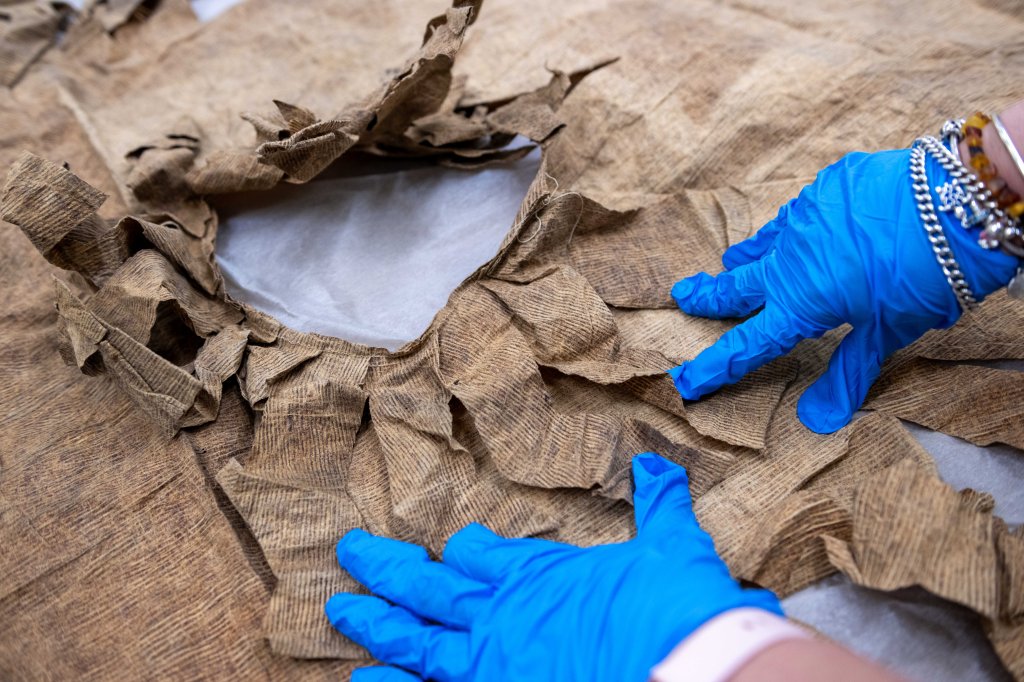
Kua akatau meitaki atu matou i tei pā’oa. Kua kite atu matou i te verevere e te karapona. Kua tupai me kare kua pakotikoti ia teia na roto i te tu o te tarā’are. Kua tui auri ia te karapona. Ko te mea tuke uatu rae o teia tiputa koia oki ko te tupai tā ti roa tei rave ia na mua i te kāki. Ko to matou manakoanga ko te puapinga o teia, ngo te mama e te maru i te taaru’anga i te tiputa.
The second taonga was acquired by the museum in 1910 measuring 250 centimeters by 135 centimeters. The pāoa had faded yellow pigments decorated with motifs of faded red pigments. Only on very close examination we can make out the patterns/motifs on the pā’oa.
Ko te taonga rua tei akatau atu matou, kua rauka mai teia i te are taonga i te mataiti 1910. E 250 centimita tiroa, e te 13 centimita i te tua tipoto te vaito o teia pā’oa. Kua tā kara iatu ki renga e te au ‘aka’iro kua kara iatu ki te kutekute. Me akatau vaitata koe ka kite koe i te au tū ‘aka’iro i runga i teia pā’oa.
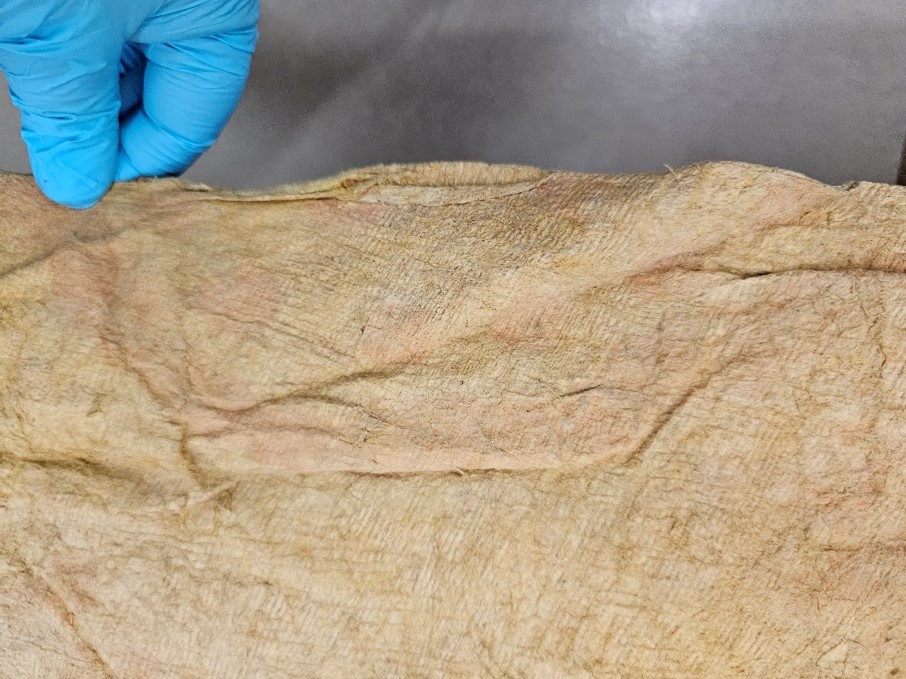
The third piece is similar to the previous. Acquired in 1910, is a double sheet of pā’oa we think made from aute (paper mullberry). This too was covered in faded yellow pigment and motifs of red pigments
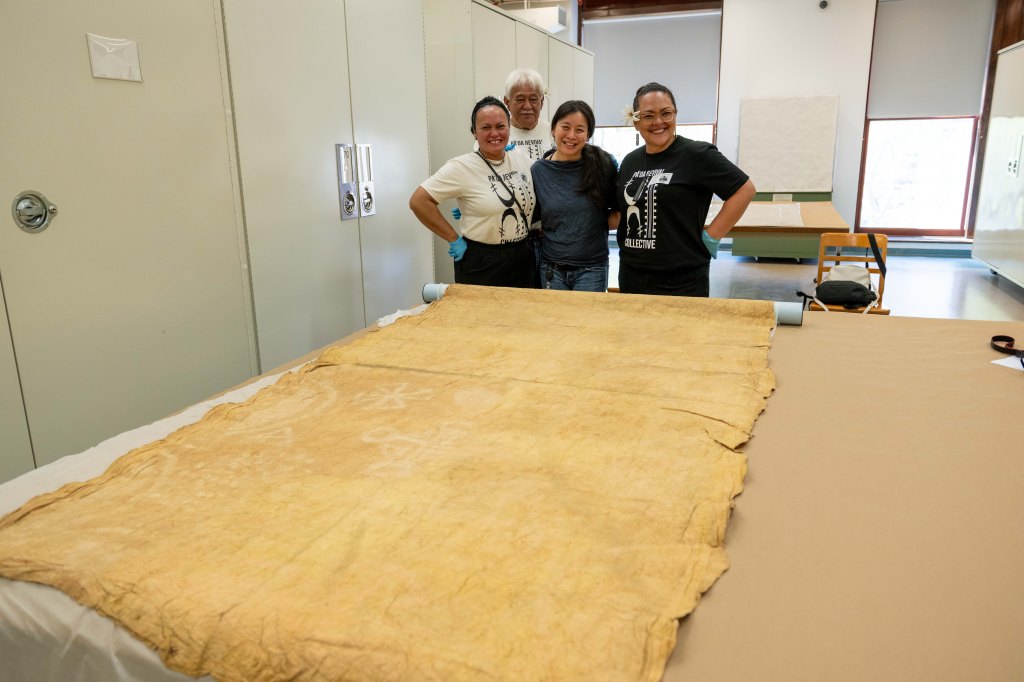
Kua aite atu teia pā’oa ki te rua o te pā’oa. Kua rauka mai teia i te mataiti 1910 i te are taonga. E rua pā’oa teia te kapiti ia na runga iake i tetai, e to matou manako kua amani ia teia ki te pakiri rakau o te aute. Kua kapi katoa ia teia ki te kara rengarenga e kua tā kara kutekute ia te au ‘aka’iro.
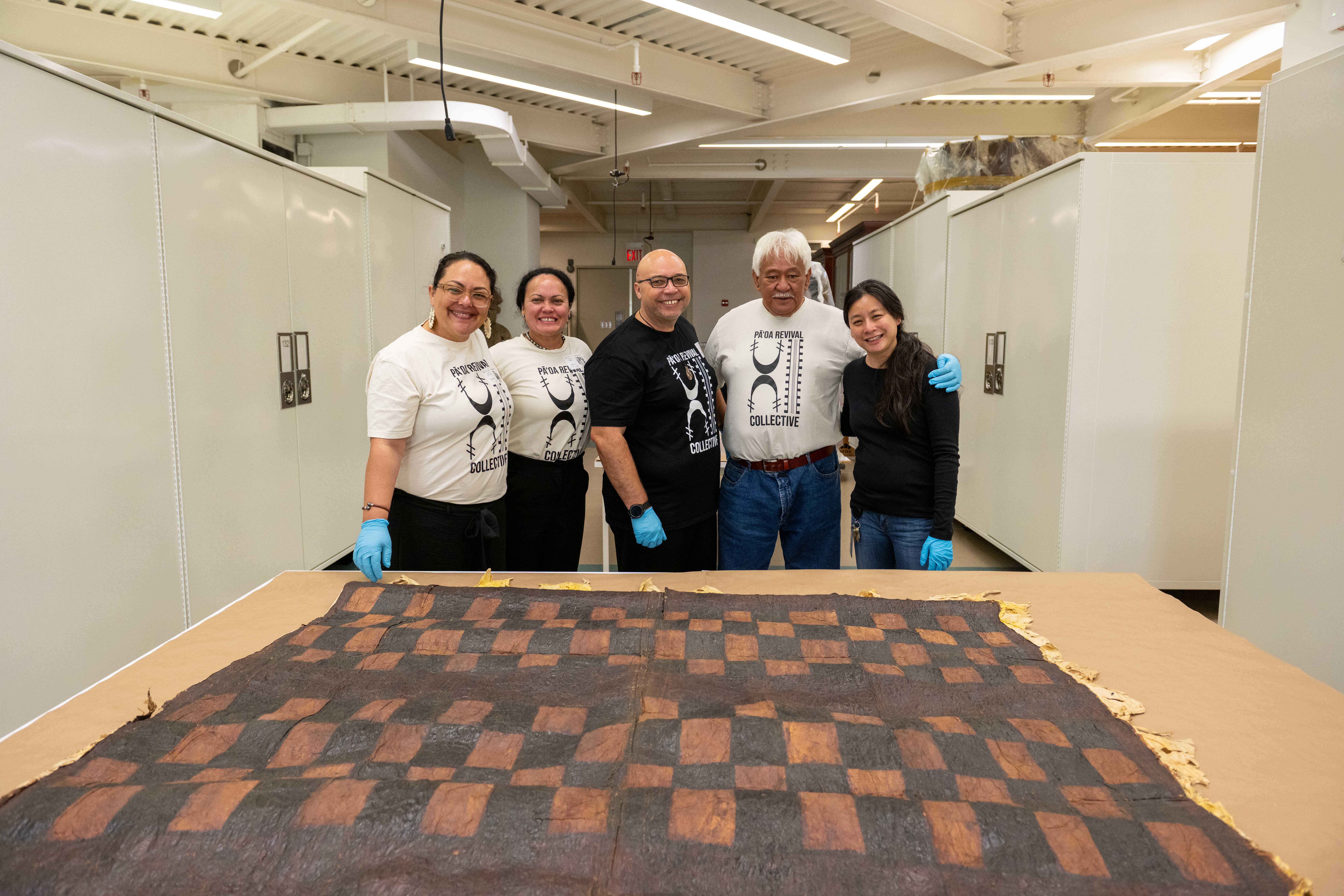
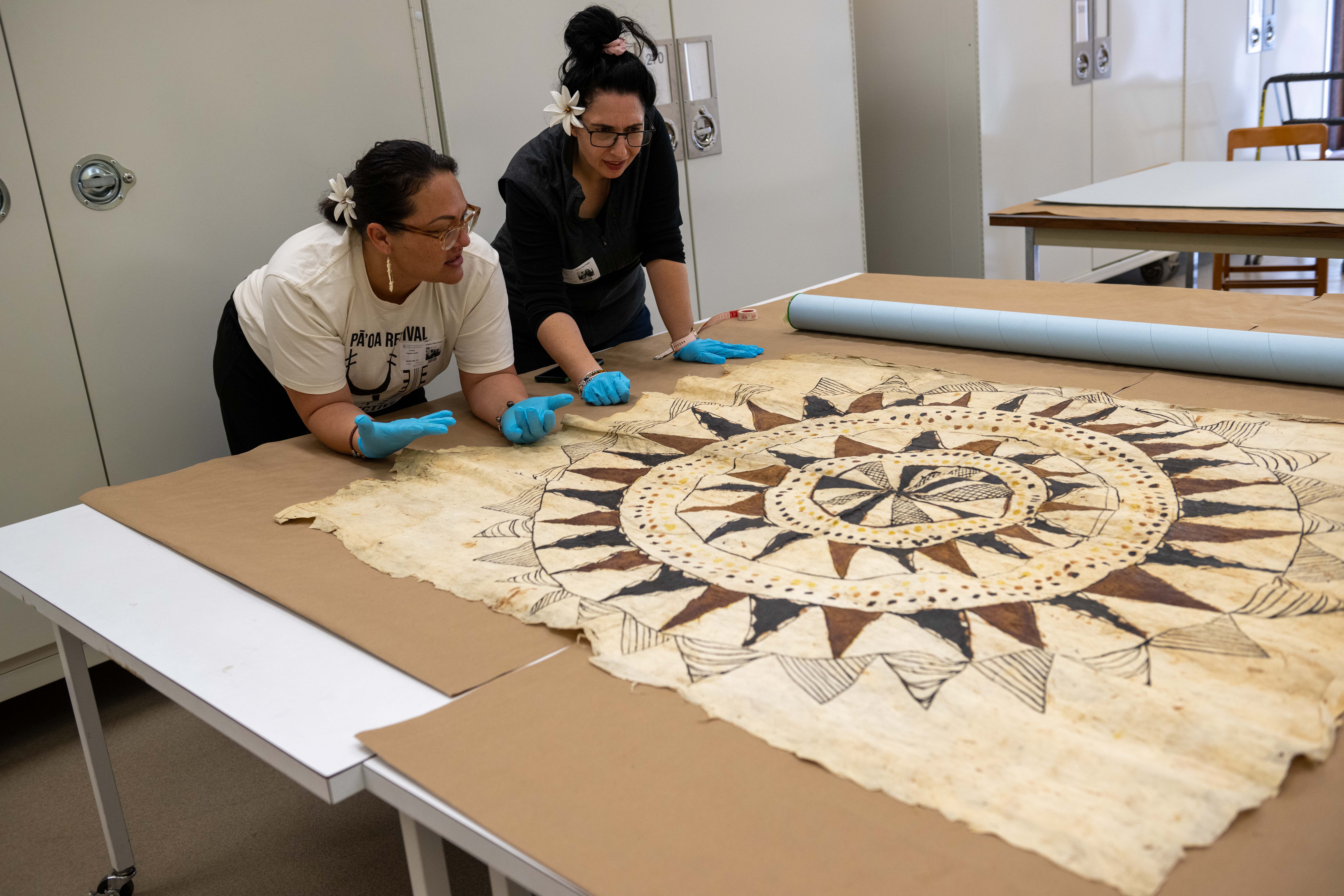
The last pā’oa we viewed had motifs/symbols that shared similarities to the Aitutaki pā’oa and also to Mangaian (carvings/tatoos). This pā’oa is recorded as being acquired in 1891 – 1893 from Samoa. On closer inspection, you can just make out the traces of faded yellow and red pigments.
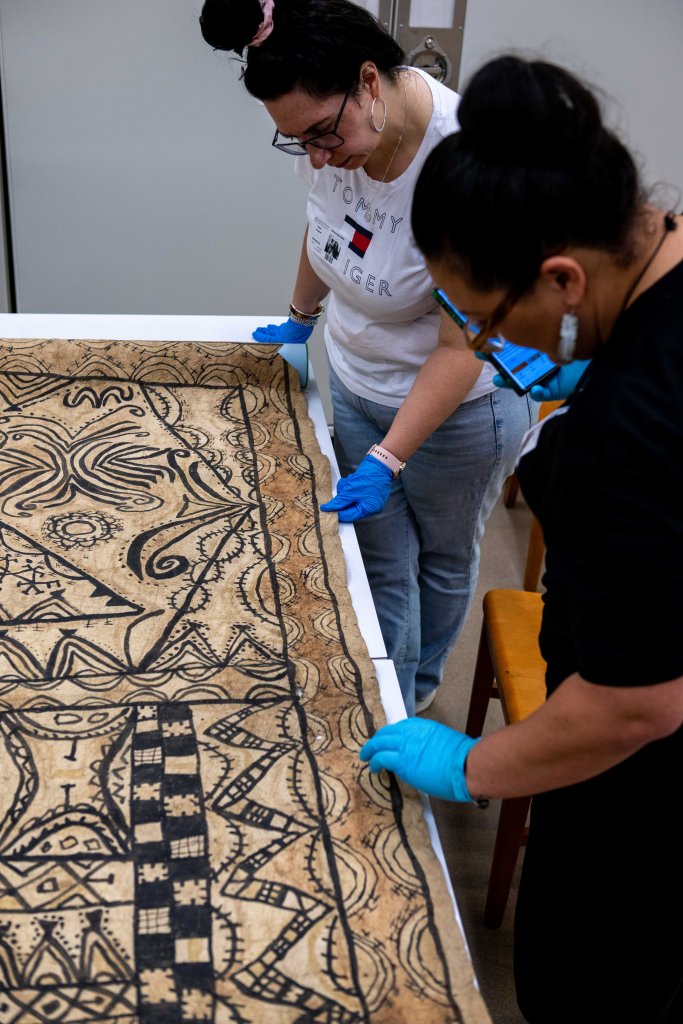
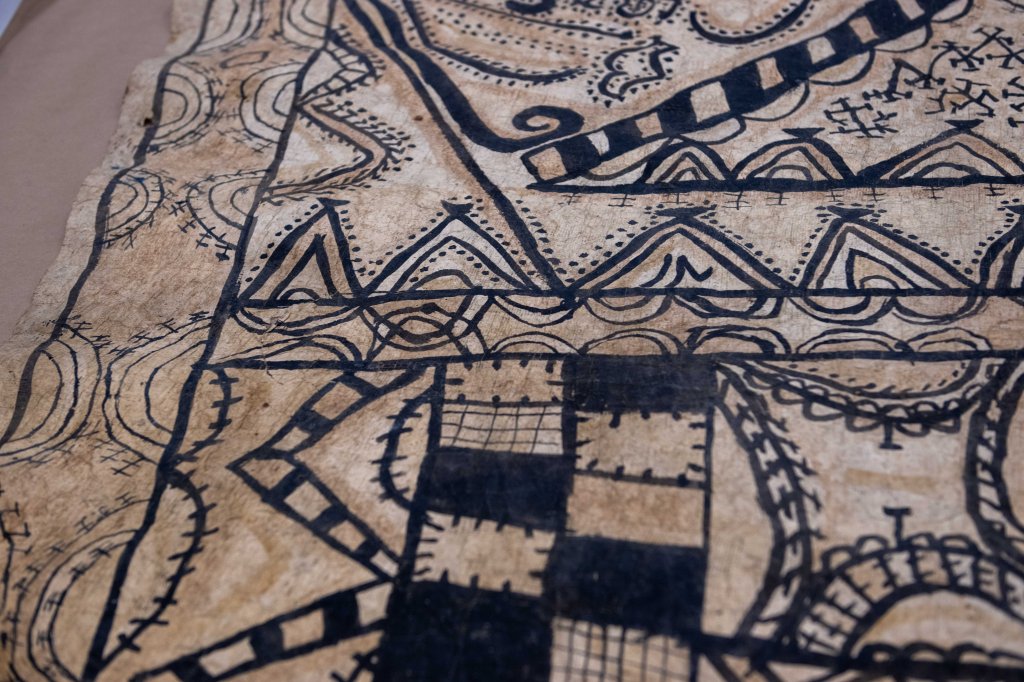
Ko te pā’oa openga teia ‘akatau atu matou i te ra mua. Kua aite atu te au ‘aka’iro o runga teia pā’oa ki te au ‘akairo no Aitutaki e no Mangaia mai. I na ra, kua rekoti ia teia e no Sāmoa mai, e kua rauka mai i te maiti 1891 – 1893. Me a’akatau vaitata atu koe i teia pā’oa, ka kitena atu te au kara rengarenga e te kutekute tei maratea.
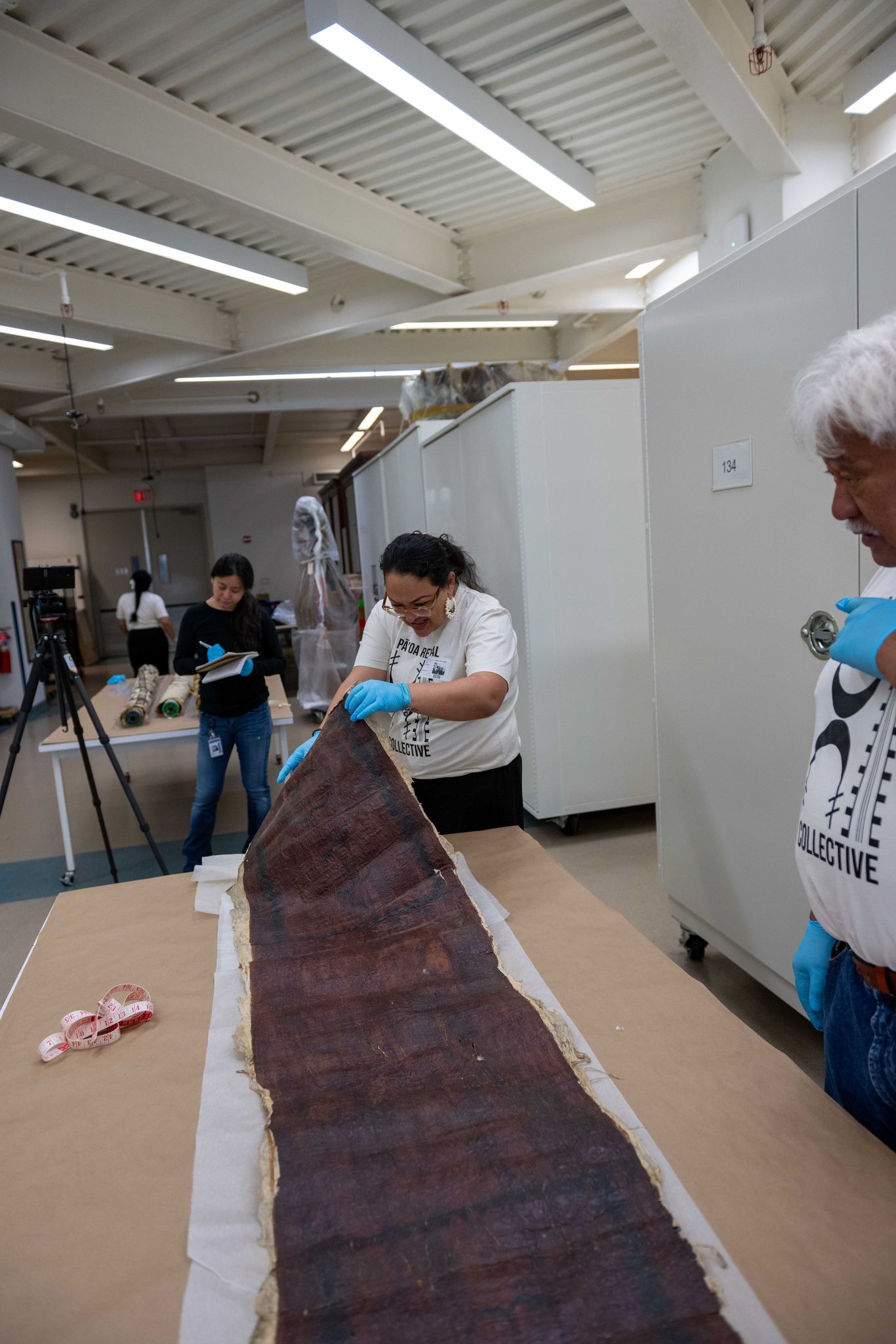
Our second appointment with the American Museum of Natural History was dedicated to viewing other old barkcloths from across the Pacific, these were from Samoa, Tahiti, Fiji and Tonga.
Kua ‘akano’o atu matou i to matou ra openga ki roto i te are taonga no te ‘akatau atu anga i te au pā’oa taito no te pā enua Pasifika. No Amoa, Tahiti, Viti e to Tonga.

Smithsonian Museum Support Centre – Washington DC
We left New York City on the 18th of April and caught a train to Washington DC.
Kua ‘akaruke atu matou ia New York City i te ra 18 o Apirira e kua tere atu matou ki Washington DC na runga i te rērue.
In Washington DC we had two appointments with the Museum Support Centre. An impressive place dedicated to collections acquired by the Smithsonian Museum. This is at a different location from the museums. At the museum support centre, we were able to view not only Aitutaki pā’oa but other artefacts from the Cook Islands. These included ā’oa from Mangaia, anga from Atiu and tapa from Rarotonga.
I Washington DC kua ‘akano’o atu matou e rua ra ki roto i te are Museum Support Centre. Ko teia are umere ‘ia e matou, kua ‘akakī ia ki te au taonga tei rauka mai i te Smithsonian Museum. Kua ‘akatinamou ia teia are ki tetai ngai ke mei te are taonga. I roto i teia are kua vai i reira te au pā’oa ngo Aitutaki e to pā enua of the Kukia Airani. Tei roto i reira te `ā’oa o Mangaia, te anga o Atiu, e te tapa ngo Rarotonga mai.

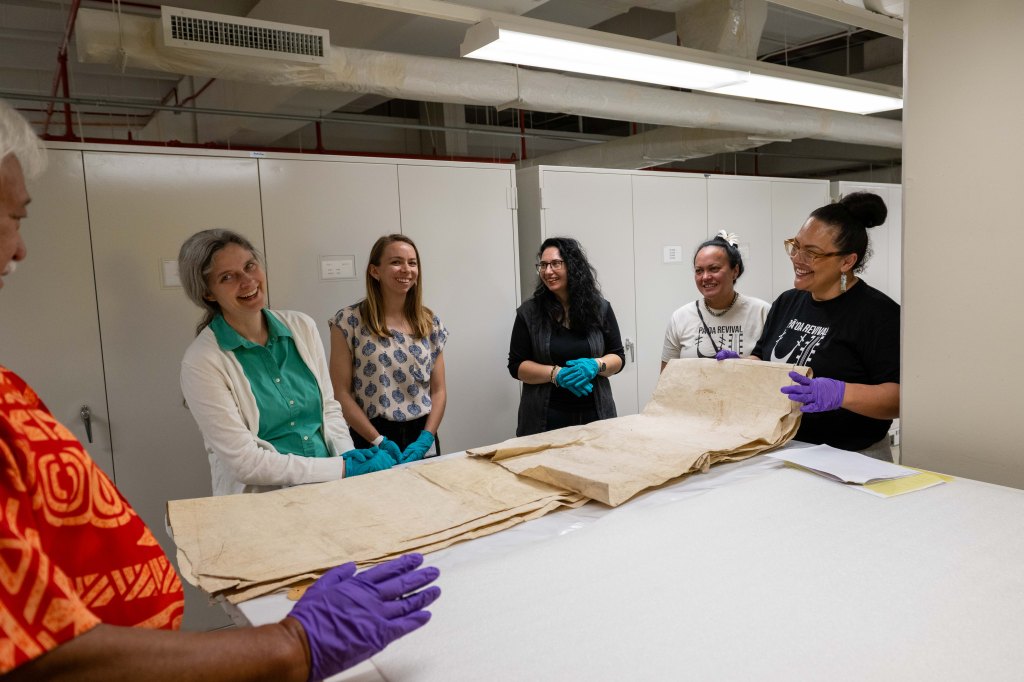
We examined two folded pā’oa from Aitutaki. We were not able to unfold these, as we need proper conservation tecniques and tools to be able to do so.
The museum records stated “ A large white piece, accession date 17th Apr 1900, folded identified from the island of Aitutake, “used as bed clothes or sleeping wrap”.
Kua ‘akatau atu matou e rua nga pā’oa Aitutaki kua ā’atu ia. Kare i rauka ia matou i te ō’ora atu i teia nga pā’oa no te mea, na te pupu ‘aka’oranga e te akono atu i te au taonga tei reira tū’anga.
Ko te me mua, e pā’oa teatea e te atupaka teia. Kare e vaito i rauka mai. Kua rauka mai teia i te ra 17 o Apirira i te mataiti 1900. Kua kiriti ia teia no te enua o “Aitutake” mai, e rave iana teia ei kākau moe me kare kakau tapoki.
Another piece of folded pā’oa from Aitutaki was likely made from banyan. It was acquired in 1899, covered with black pigment and gloss or shine. The only pā’oa in the musuem that has gloss over an entire surface. We believe that the shine is made from putting oil onto the pā’oa and that the oil is from the coconut. This process makes the cloth waterproof.
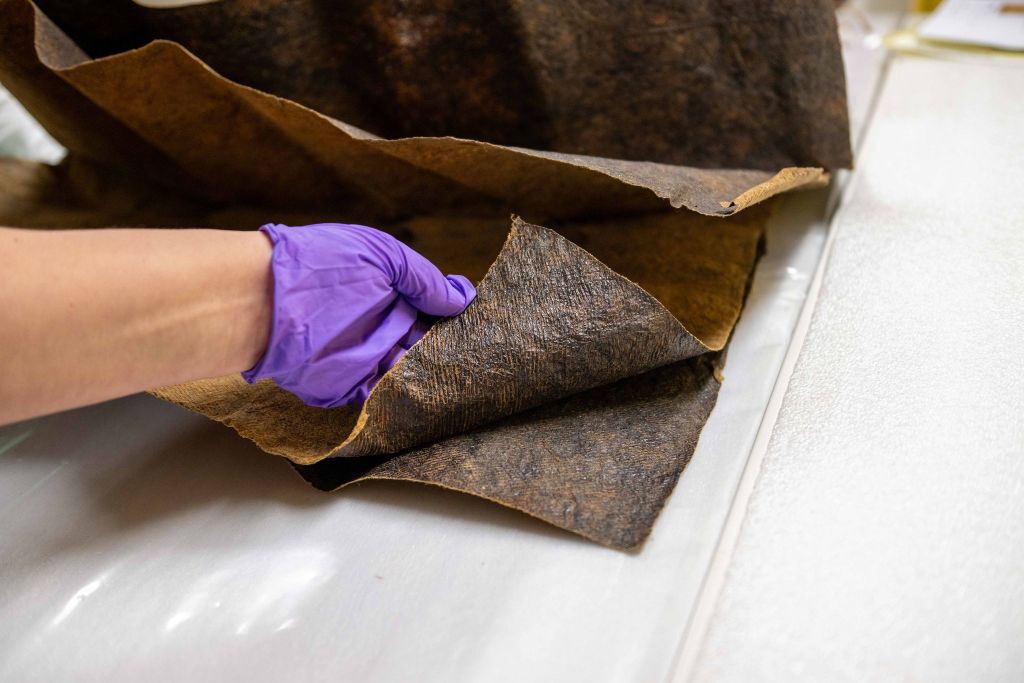
Ko teia potonga pā’oa ngo Aitutaki mai e kua amani ia ki pakiri rakau o te ava. Kua rauka mai i te are taonga i te mataiti 1899. Ko teia pāoa kua tā kara ia ki te kara kerekere e te karapapa e tai ona tua. Ko teia te pā’oa okotai a te are tanoga tei kitena ia te karapa. To matou irinakianga kua parai iatu te pā’oa ki te inu akairi, kia kore e tomo ia e te vai.
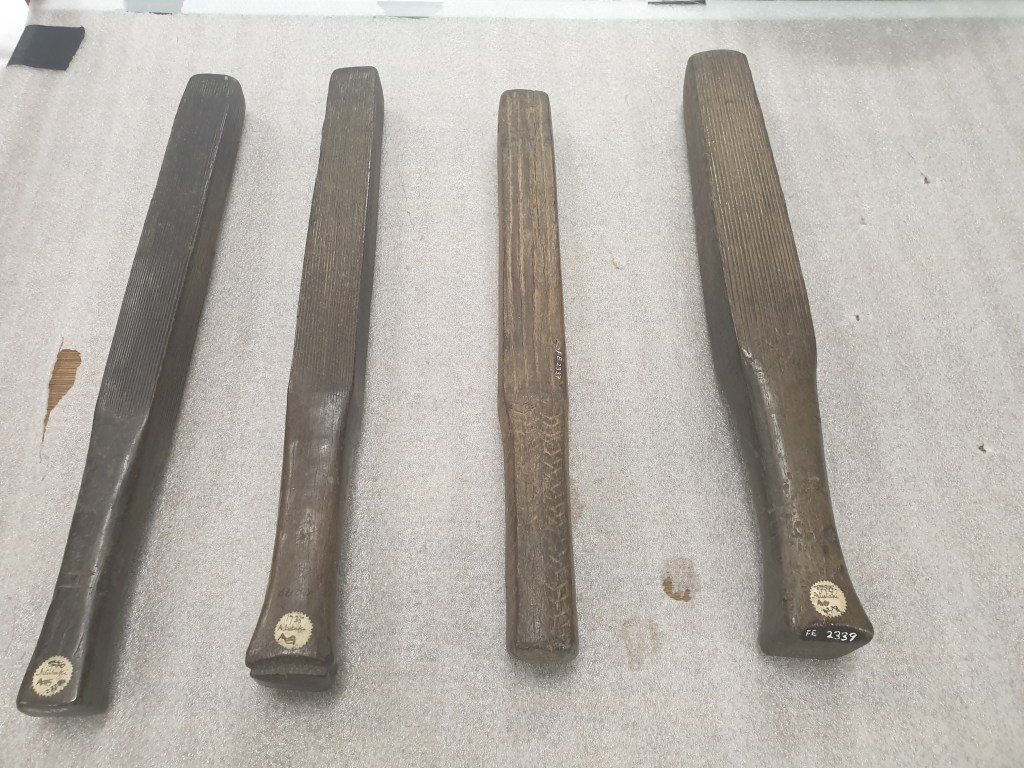
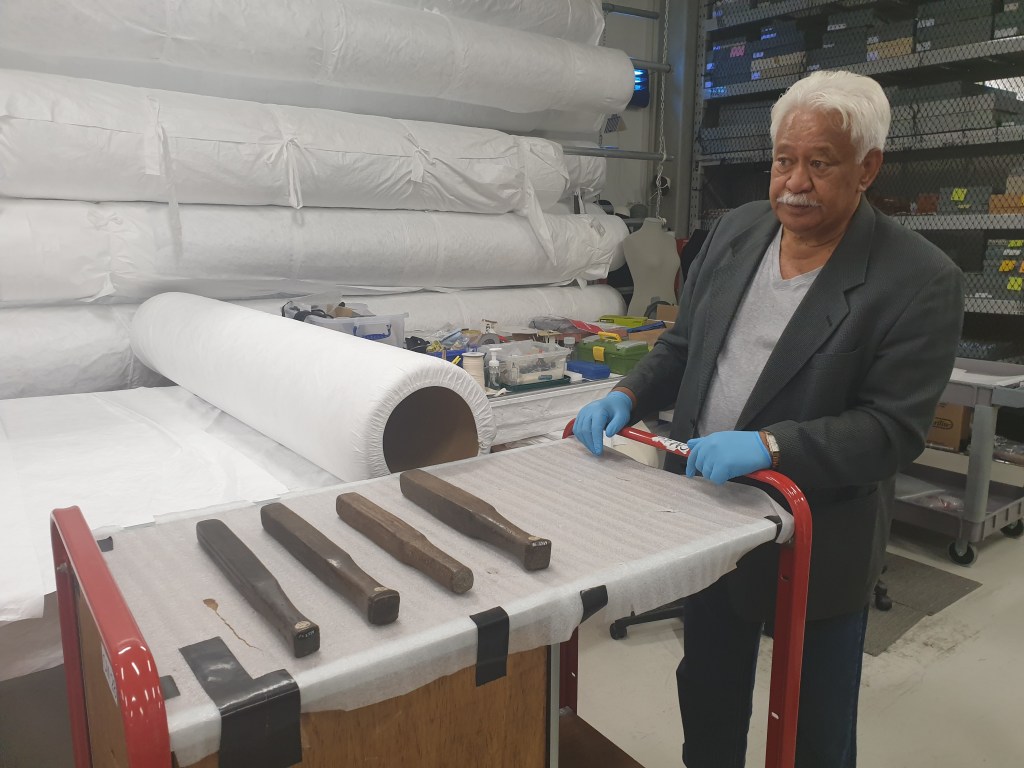
We were also very fortunate to be able to closely examine ‘ike (barkcloth beaters) from Aitutaki.
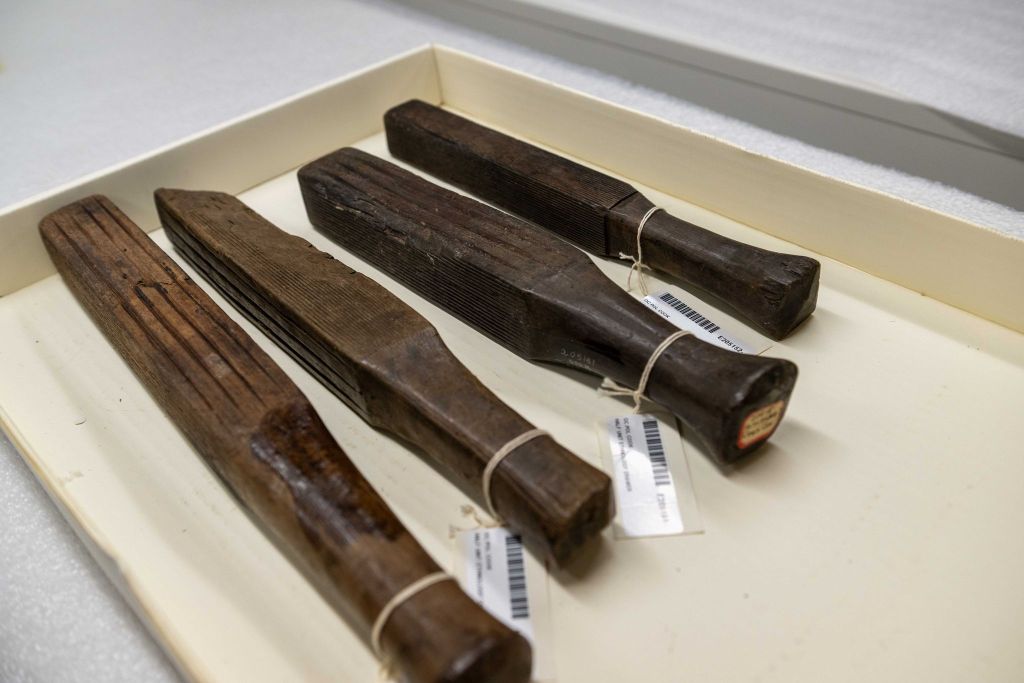
Kua mataora e kua rekareka matou i te tutau tei rauka ia mai i te akatau meitaki atu i teia au ‘ike no Aitutaki mai.
On our second day, the Paoa Revival Collective were able to closely examine and handle three pā’oa which shows the uniqueness of Aitutakian atistry. All acquired by the museum on the 17th of April 1900. The pā’oa were initially acquired by Townsend and Moore – members of the US Fisheries Commission aboard the Albatross which cruised through the South Pacific in 1899 to 1900 under Commander Jefferson F Moser. United States Navy.
I te ra rua i roto i te are taonga, kua akatau meitaki atu patou e toru nga pā’oa e kua kite atu matou i te au tu peu e te karape a te au taonga amani pā’oa o Aitutaki. Kua rauka mai teia au pā’oa i te ra 17 o Apirira i te mataiti 1900. Kua rave ia mai teia au pā’oa ia Townsend and Moore – e nga mema teia o te US Fisheries Commison i runga atu i te p’āi Albatross. Kua turotu atu tei p’āi na te pa enua o tuanga Tonga o te Pacific i te mataiti 1899 ki te 1900 i raro ake i te mātaro Jefferson F Moser o te tu’anga tamaki/paruru o te moana o Marike.
Pā’oa showcasing the unique artistry of Aitutaki.
Ko teia pā’a o Aitutaki, te ‘akariari atu anga i te au tu karape o Aitutaki
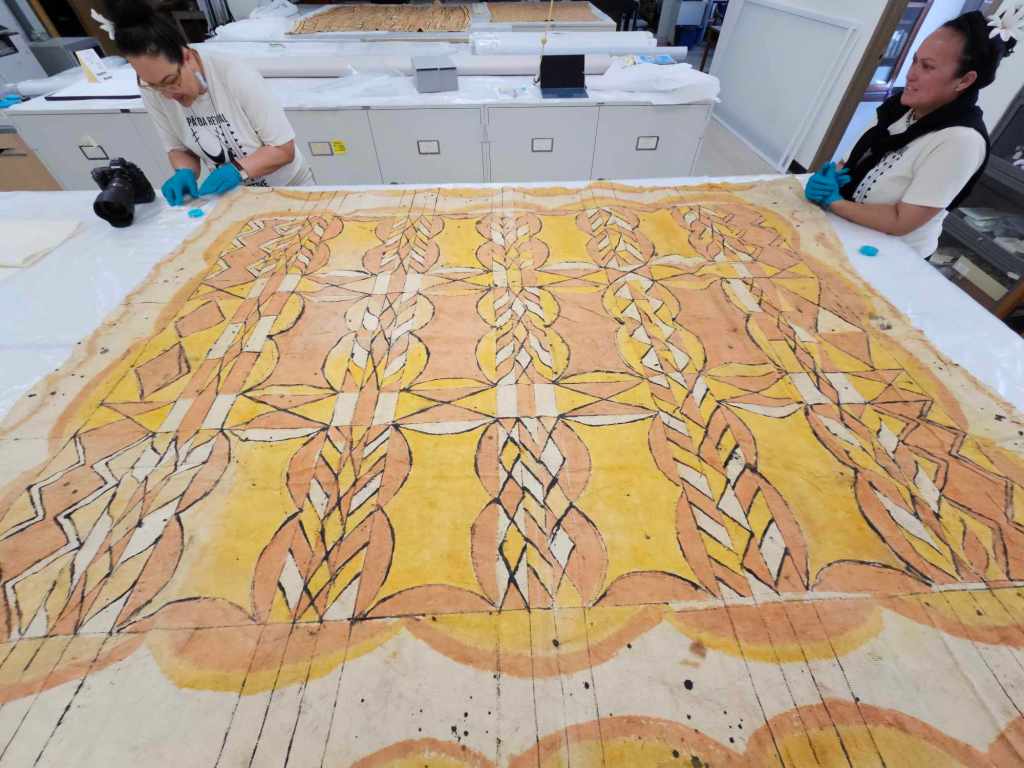
Pā’oa made of double sheet, pasted together by what we think is tapou kuru. Using red, yellow and black pigments. “said to be used for wrapping the dead”.
Ko teia pā’oa kua kiriti ia e rave iana i te tapoki i te tangata mate. Kua tapiri kapipiti’ia e rua nga pā’oa, to matou manako kua ‘akarare iatu te tapou o te pū kuru. Kua tā kara ia teia pā’oa ki te rengarenga, kutekute e te kerere.
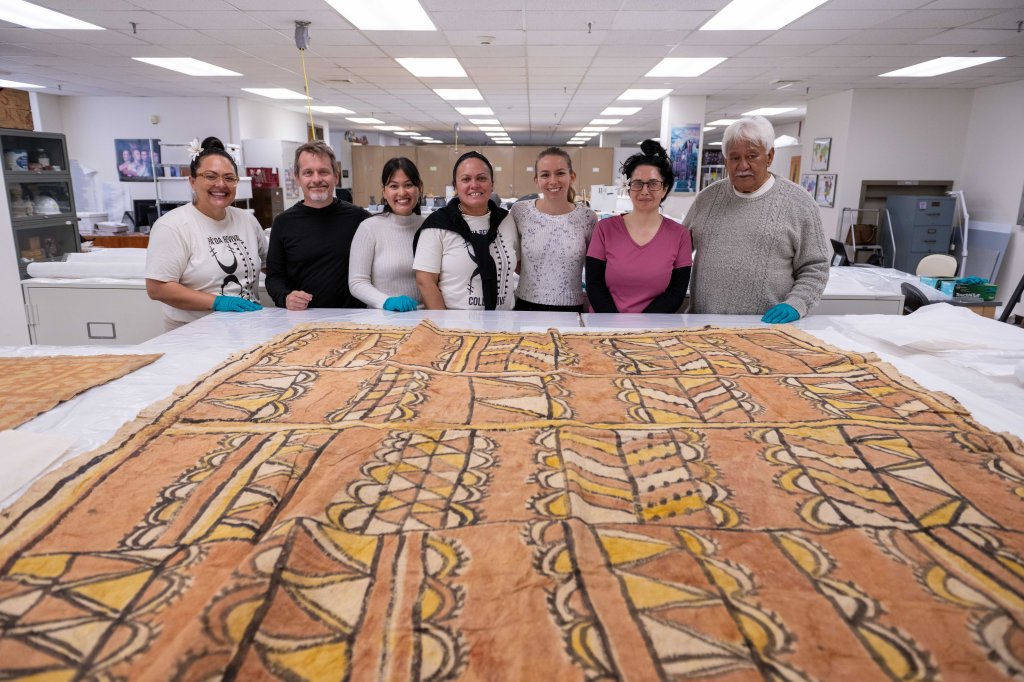
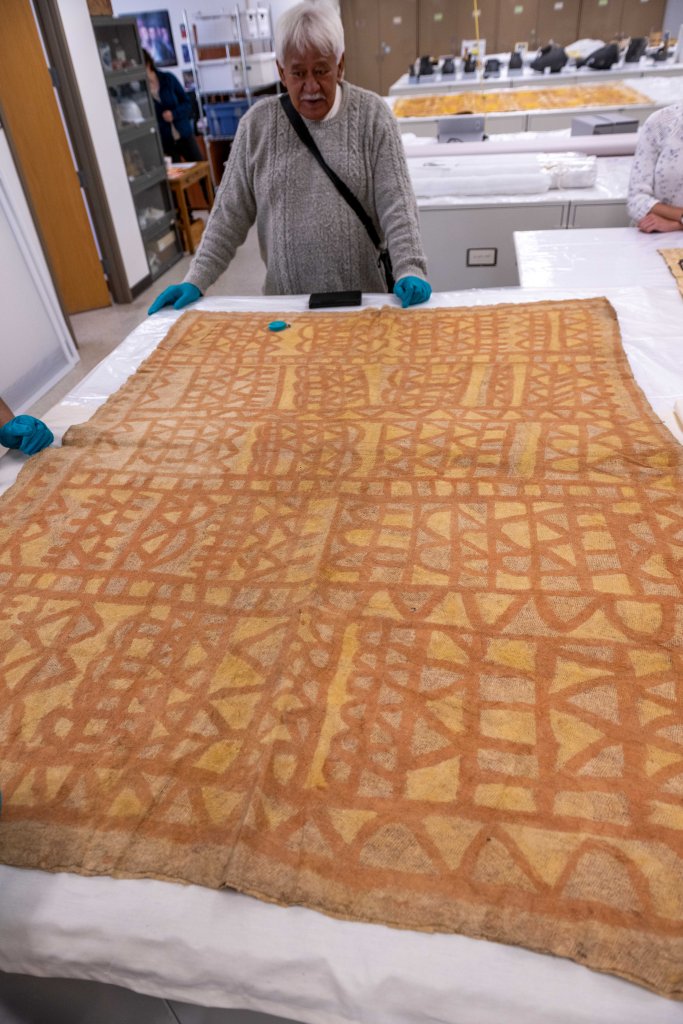
Pā’oa showing the unique style of Aitutaki – yellow background with red pigmented motifs. We think this is made from aute (Paper Mullberry).
Ko teia au tū tei rave ia i te pā’oa o Aitutaki – ta kara i te katoaan’ga o te pā’oa ki te rengrenga e na runga ‘ake i te au ‘akairo kutekute. To matou manakoanga kua amani ia teia ki te pakiri rakau o te aute.
The Field Museum – Chicago
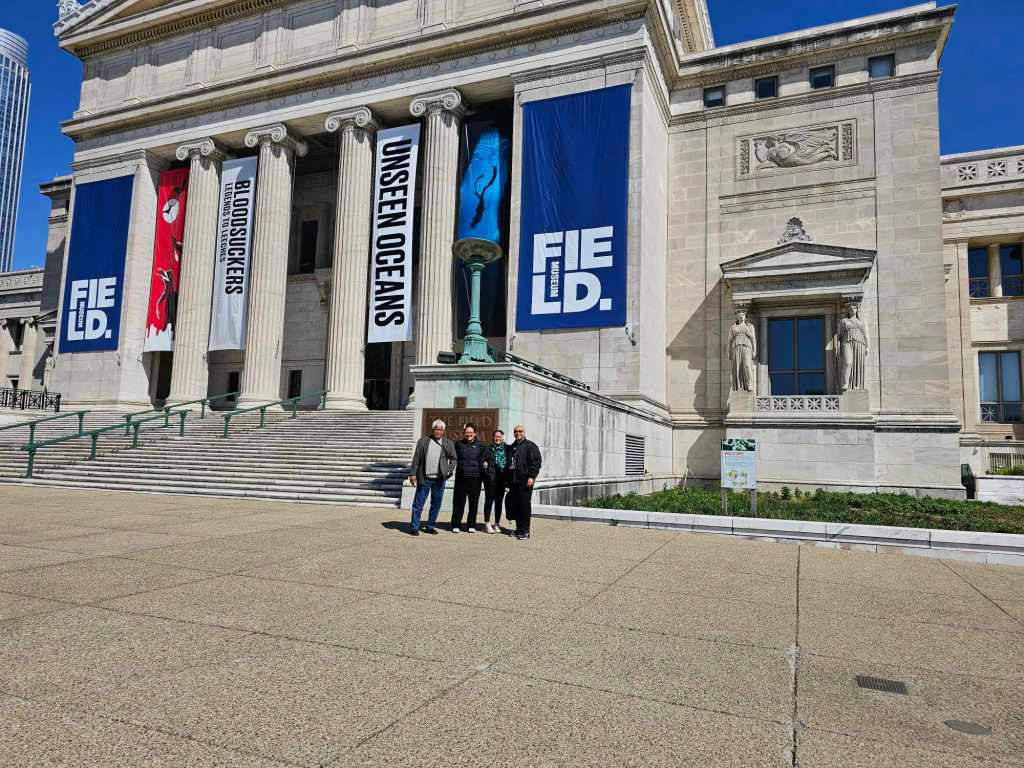
On the 23rd of April 2024, we left Washington DC and traveled by domestic airline to Chicago. We were headed to our final museum and destination. The Field Museum.
I te ra 23 o Apirira mataiti 2024 kua akaruke atu matou ia Washington DC e kua tere atu matou na runga i te pāirere ki Chicago. Ko teia te ngai openga i roto i ta matou turotoanga o Marike. Ko te Field Museum.
We had already met the collections Manager in Auckland and it was as though we were catching up with old friends again.
Kua aravei kē ana matou i te arataki o te tuanga ‘akaputunga i Tamaki Makaurau. Kua ‘akaite atu matou teia mei te aravei’anga i taeake taito.
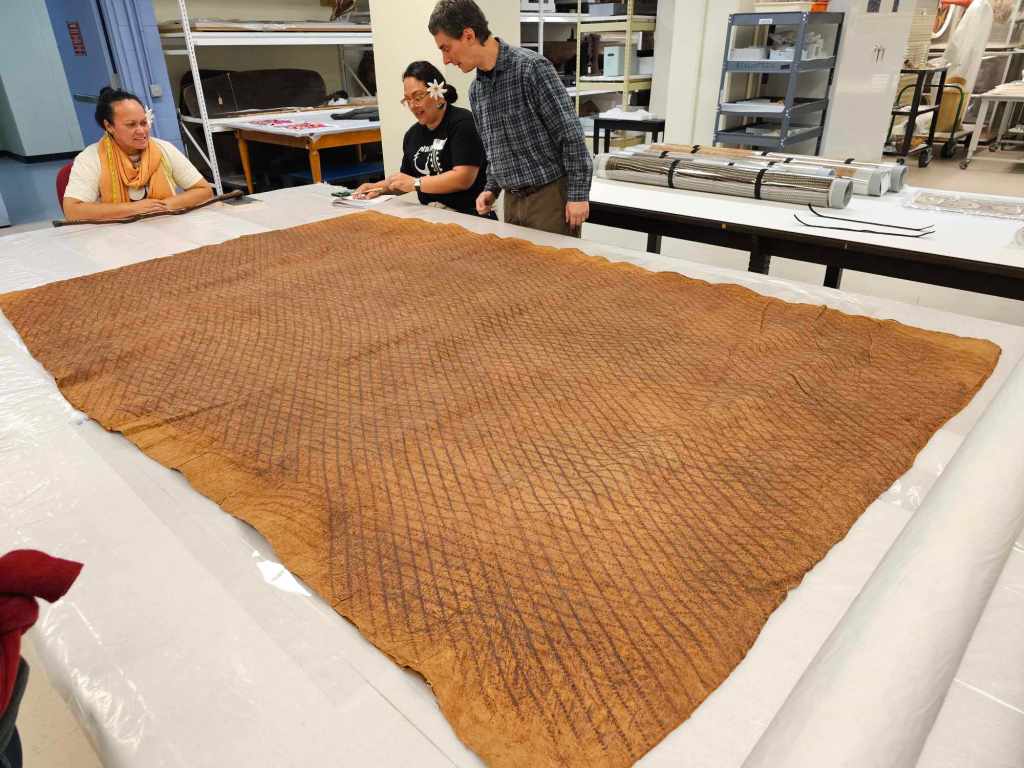
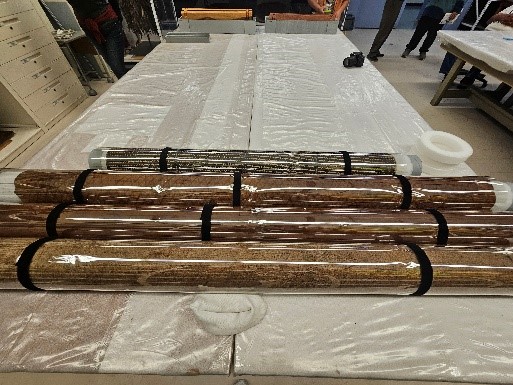
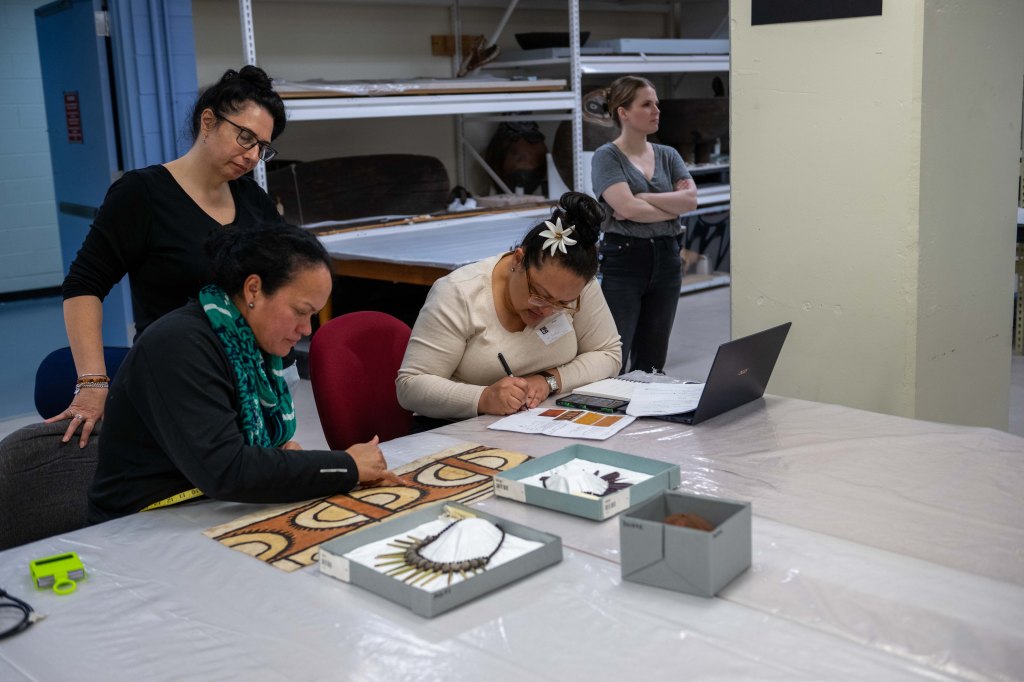
At the Field Museum, we were able to closely examine seven pā’oa. Three of these we are certain from Aitutaki, others would appear to be either from Tuha’a Pae or Rarotonga.
I roto i te Field Museum kua akatau meitaki atu matou e itu pā’oa. E toru o teia au pā’oa kua papu e no Aitutaki, te toe kua kiriti ia no Tuha’a Pae me kare no te Kuki Airani mai.
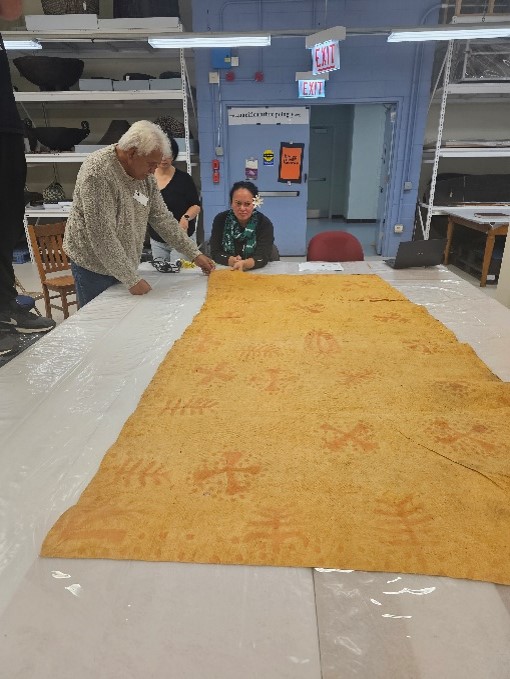
We recognised the unique Aitutaki style of yelllow background (base) with red pigments for the motifs (patterns/symbols). These were acquired in the year 1933.
Kua kite atu matou i te tū pā’oa o Aitutaki tei matou ia. Ko te rengarenga te kapi te pā’oa katou e kua na runga ake te au ‘akairo ki te kutekute. Kua rauka mai teia nga pā’oa i te mataiti 1933.
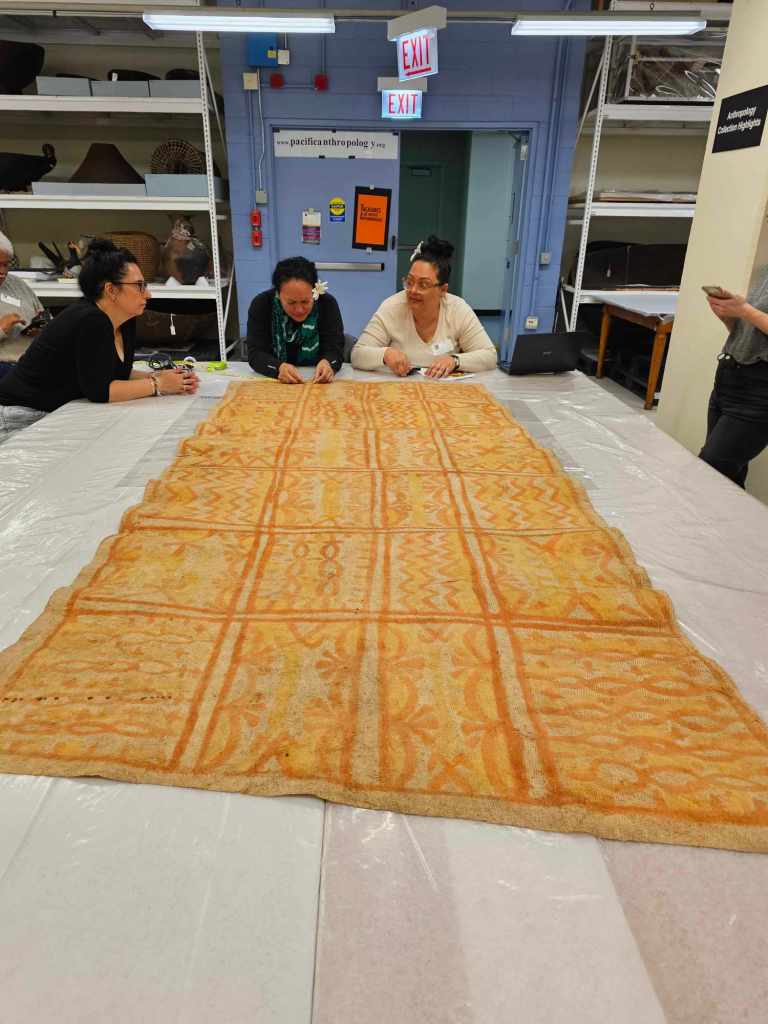
At the Field Museum, we also had the opportunity to examine barkcloths that were identified as being from the Cook Islands or Tuha’a Pae (Austral Islands).
I roto i te are taonga o te Filed Museum, kua rauka atu ia matou i te akatau meitaki atu i te au pā’oa tuketuke no te pā enua Kuki Airani mai me kare no Tuha’a Pae mai.
Then there is this pā’oa which is labelled from the South Seas Made of breadfruit. We think this is from Aitutaki. This is a piece of what would have been a much larger piece. The edges appear to be cut likely with a sharp object. Acquired in 1928 by the museum.
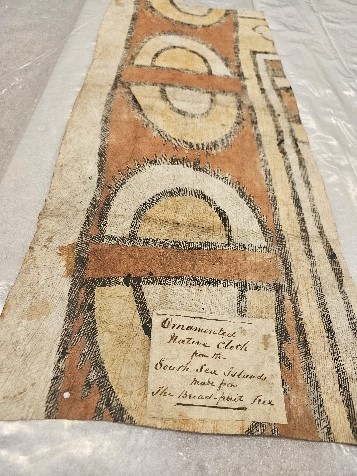
Kua kite atu matou I teia potonga pāoa tei kiriti’ia e no te pā moana tonga e kua amani ia ki te pakiri o te kuru. I to matou manako’anga ngo Aitutaki mai teia pā’oa. E potonga ua teia, ngo tetai pā’oa atupaka. Kua tīpu iatu teia pā’oa ki tetai pakau kōi. Kua rauka mai i te are taonga i te mataiti 1928.
We recognised the following pā’oa sharing similarities to the p`a’oa that is used to cover the staff Gods that were taken by the London Mission Society. We believe these can either be from Rarotonga or Aitutaki. Labelled in the museum as being from the Cook Islands or Tuha’a Pae.
Kua kite atu matou i teia nga tū pā’oa tei aiteite atu ki te pā’oa tei riro ei tapoki atu i te au Atua taito tei rave iatu e te London Mission Society. To matou manakoanga ka tano rai teia nga paoa ngo Rarotonga me kare ngo Aitutaki mai. Kua kiriti ia e te are taonga e ngo te Kuki Airani me kare ngo Tuha’a Pae.
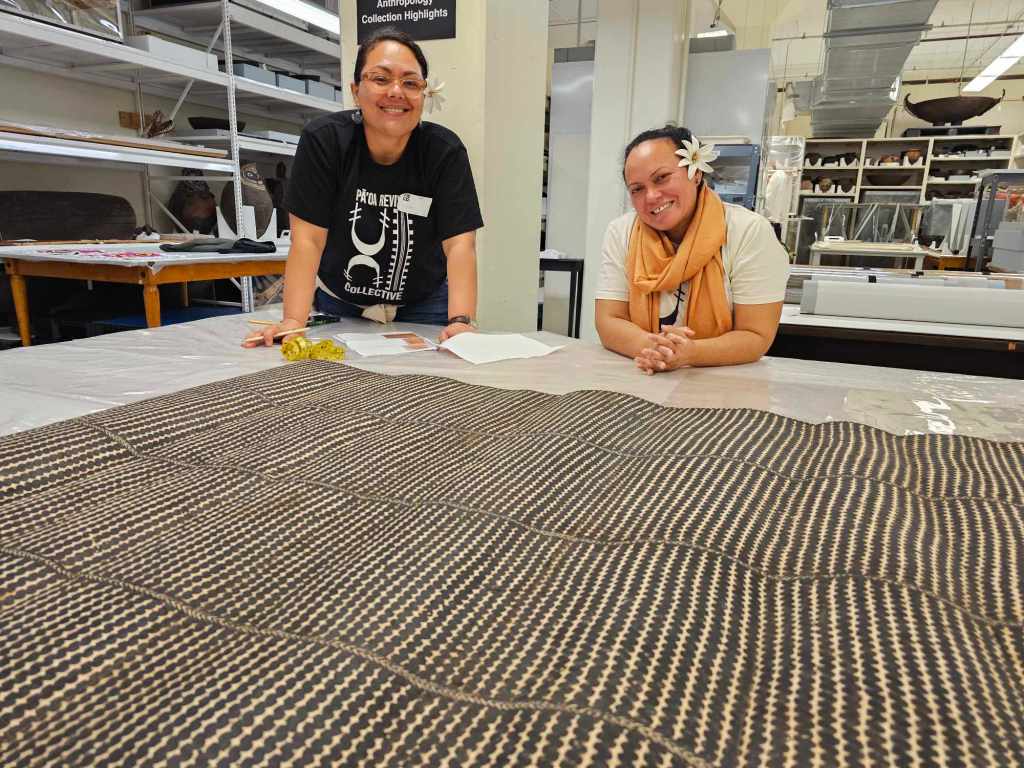
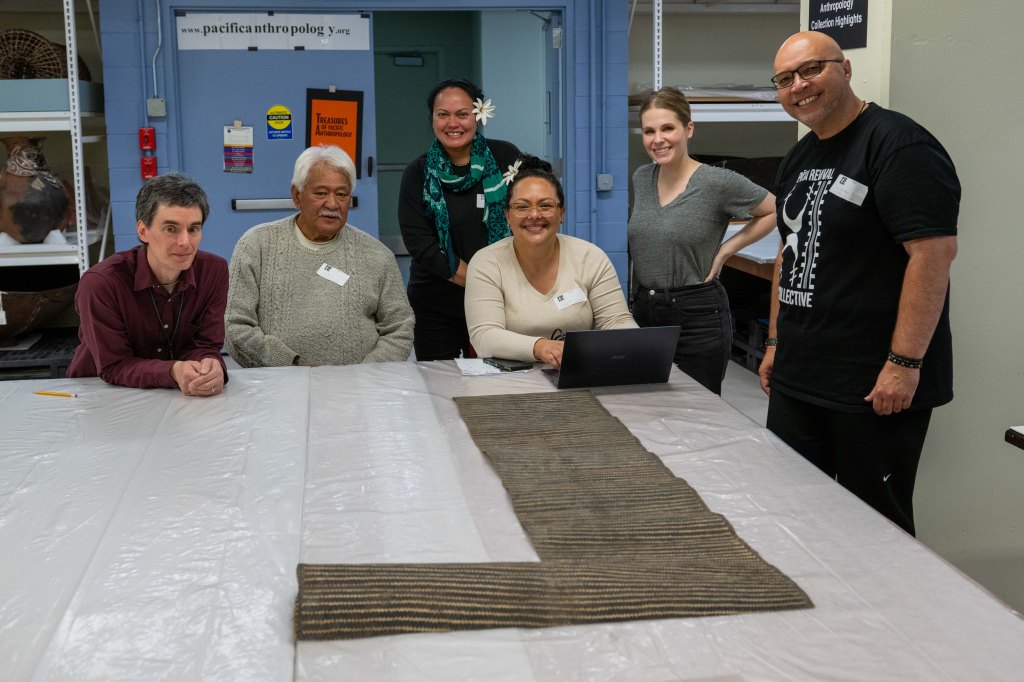
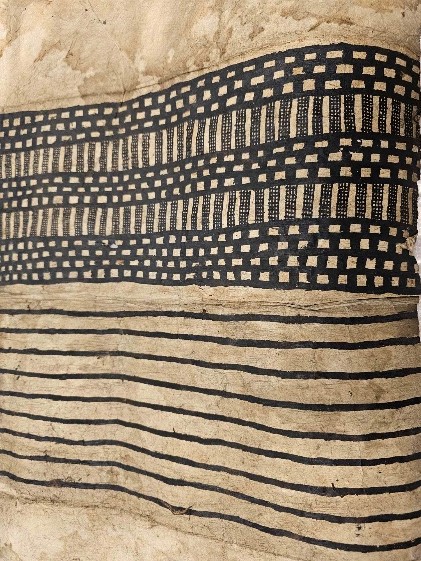
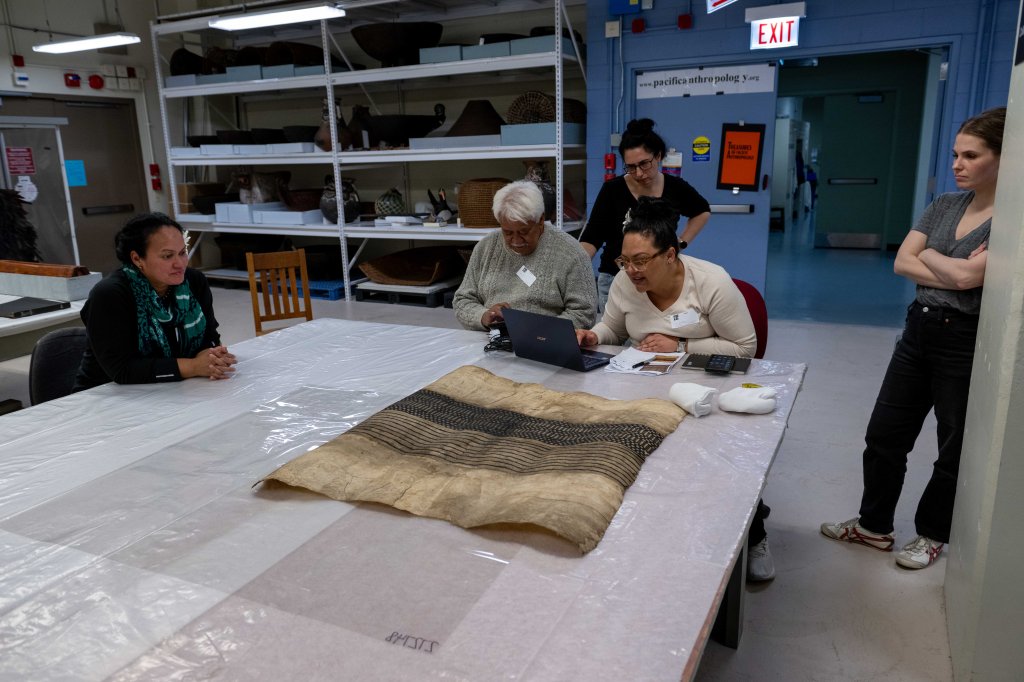
It is common in museums to have only pieces of a pā’oa and incomplete records of how the pieces existed or acquired by private collectors and eventually making their way into museums. This piece is unusual and not like any pā’oa we have seen from Aitutaki. Similar barkcloths (pieces) can be found in museums across Europe. We believe this could very well be from Austral Islands or Rarotonga.
E mea matou ia e te au are taonga i te rave kore i te katoa’anga o te pā’oa. E vai ra te au autura tuketuke o te au potonga pā’oa tei tae atu ki roto i au tangata ‘akaputuputu taonga e tae uatu ki roto i te are taonga. Ko teia potonga pā’oa, tuke uatu rai a’ia ki te pae i te au pā’oa o Aitutaki tei kite matou. Kua kitena ia mai te au pā’oa aite atu ki teia i roto i te are taonga i tua o ‘Europe’. To matou manakoanga ka tano rai teia pā’oa no te pā enua o Tuha’a Pae, me kare no Rarotonga mai.
 Pā'oa Revival Collective